


 Kremlin Says No Decision Yet on Putin-Trump December Summit
  Trump Asks Supreme Court to Restore Third-Country Deportations
  Netanyahu Takes Aim at Mamdani as Israel Election Nears
  North Korea Rejects Nuclear Test Warning, Calls Nuclear Status Irreversible
  US Senate Rejects Iran War Powers Resolution in 50-49 Vote
  Mexico-US Trade Talks Delayed to October as Tariff Negotiations Continue
  Netanyahu’s Brief US Trip Highlights Strains With Trump
  Europe Warns Russia Is Escalating Hybrid Attacks Across NATO
  US, China Extend Trade Truce to Jan. 10 Ahead of Trump-Xi Summit
  Judge Orders Trump to Restore White House Access for CNN, MS NOW and Politico
  Sudan Rejects US Legitimacy Remarks, Defends Sovereignty
  US Officials Split Over Response to Israeli West Bank Settlements
  Netanyahu Defends Israel at UN as Delegates Stage Walkout
  US Invites Putin to Miami G20, Opening Door to Trump Summit
  Abbas Reaffirms November 28 Palestinian Elections
  Pezeshkian Says US Must Choose When Iran War Ends
  Taiwan Thanks US for Support Ahead of Trump-Xi Summit


 Add as a preferred source on Google
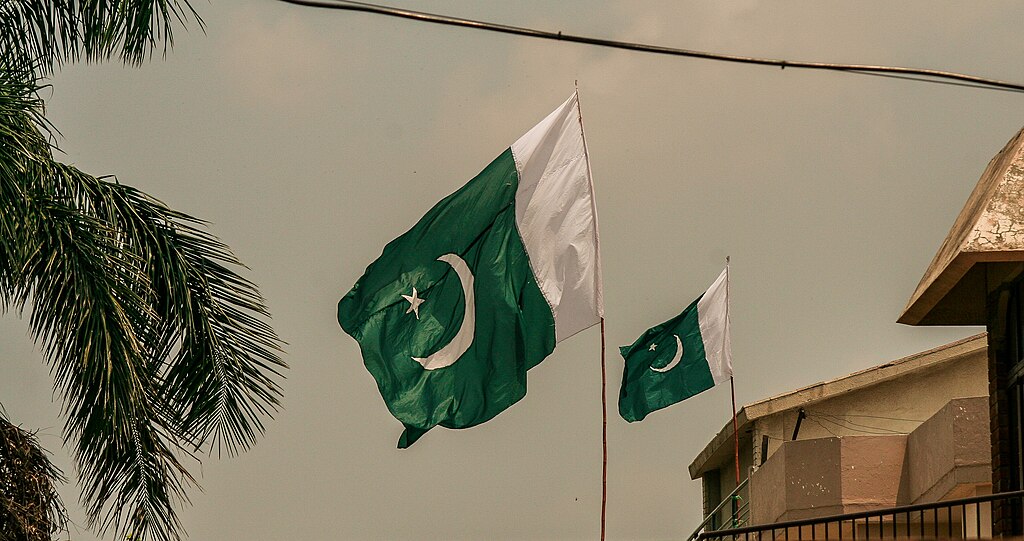
Pakistan is positioning itself as a key diplomatic hub as it prepares to host foreign ministers from Saudi Arabia, Turkey, and Egypt for two days of high-stakes talks beginning Sunday. The meetings center on the ongoing U.S.-Iran conflict, now entering its second month following the war launched by the United States and Israel on February 28.
According to Pakistan's foreign ministry, the four nations will engage in in-depth discussions aimed at reducing regional tensions and exploring pathways toward a ceasefire. Turkish Foreign Minister Hakan Fidan confirmed that the talks would work toward establishing a concrete de-escalation mechanism, describing the meetings as an effort to assess where negotiations stand and identify actionable steps forward.
All four countries share significant stakes in the conflict's outcome, particularly regarding the security of critical energy corridors and global trade routes. Turkey's Fidan emphasized at an Istanbul conference that the world's shifting multipolar order demands urgent collective action to protect these vital arteries before the war causes deeper damage to regional stability and the broader global economy.
Pakistan has already played an active back-channel role, conveying a 15-point U.S. proposal to Tehran and offering to serve as a neutral negotiating ground. Iranian officials have suggested that if formal talks were to proceed, Pakistan or Turkey would be the preferred venues. However, Tehran continues to publicly deny any direct engagement with Washington, even as U.S. President Donald Trump has stated that negotiations are progressing well.
Iran's response to the American proposal has been cautious and largely critical. Senior Iranian officials have characterized the terms as one-sided, citing demands that include dismantling the country's nuclear program, restricting missile development, and relinquishing influence over the strategically vital Strait of Hormuz. Whether this latest round of multilateral diplomacy can bridge those deep divisions remains to be seen.







