


 Netanyahu’s Brief US Trip Highlights Strains With Trump
  North Korea Rejects Nuclear Test Warning, Calls Nuclear Status Irreversible
  Saudi Arabia, Turkey and Pakistan Plan Urgent Defence Talks Over Houthi Attacks
  NATO Boosts Intelligence Sharing Amid Russia Hybrid Threats
  Netanyahu Defends Israel at UN as Delegates Stage Walkout
  Trump, Xi Visit US National Archives After White House Summit
  Iran Rejects Nuclear Concessions in Hormuz Deal
  Saudi Arabia Seeks Military Support as Houthi Attacks Escalate
  Trump Warns China Against Supporting Iran in Xi Talks
  Colombia Extradites FARC Dissident Leader ‘Spider’ to US
  Pope Leo Backs Press Freedom After White House Media Ban
  US Comfortable With Canada Trade Standoff as Import Bans Loom
  Trump, Xi Focus on Trade and AI at White House Summit
  What ‘Taiwan Independence’ Means as Xi Presses Trump on US Policy
  US Supreme Court Revives Trump Administration Voter Citizenship Database
  Evan Gershkovich Says FSB Set Trap for 2023 Russia Arrest
  Pezeshkian Says US Must Choose When Iran War Ends


 Add as a preferred source on Google
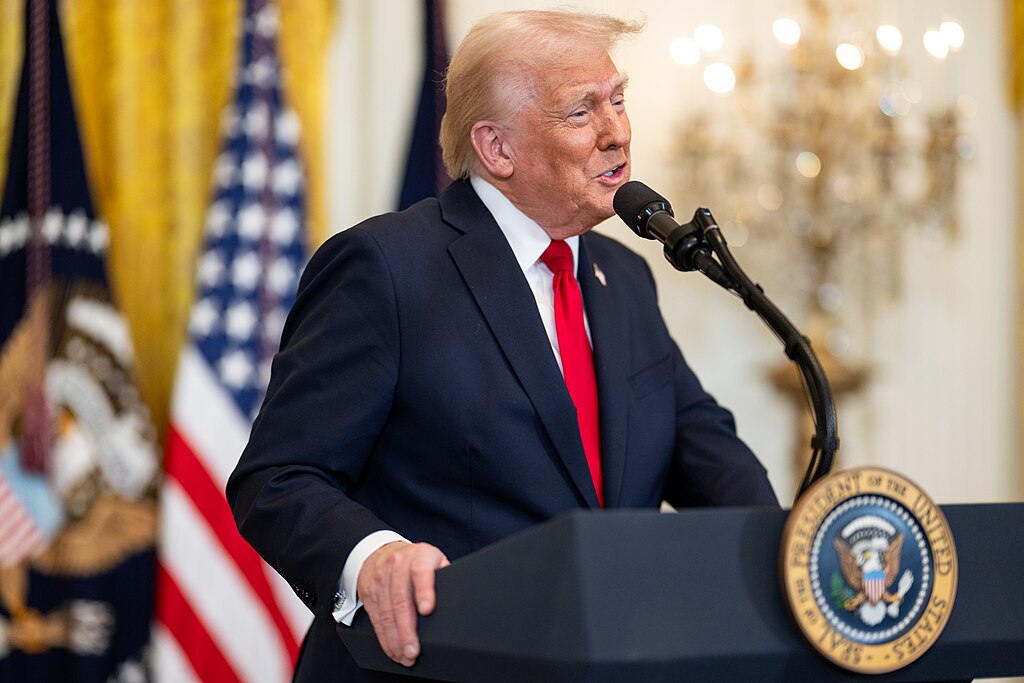
U.S. President Donald Trump has renewed calls to designate Antifa a “terrorist organization” following the assassination of conservative activist Charlie Kirk. Writing on Truth Social, Trump claimed he would push for investigations into those allegedly funding the movement, framing Antifa as a threat to national security.
The announcement came just one day after Utah prosecutors charged 22-year-old Tyler Robinson in Kirk’s killing. Authorities have not linked Robinson to any outside organization, and his motives remain unclear. Despite this, Trump and senior allies are blaming left-wing groups for fostering hostility toward conservatives, using the high-profile assassination as justification for broader action.
Antifa, short for “anti-fascist,” is not a formal group but a loosely connected movement with no central leadership. Experts note that labeling it as a terrorist organization would face serious legal hurdles, as U.S. law typically does not criminalize adherence to ideology alone. Critics argue such a move risks infringing on free speech rights while politicizing national security tools against domestic opponents.
Trump first floated the Antifa designation in 2020 amid nationwide protests over the police killing of George Floyd. At the time, legal scholars dismissed the idea as lacking legal grounding, warning it would be difficult to enforce. The latest push has reignited those concerns, with many viewing it as more political theater than actionable policy.
The White House has not clarified what legal weight Trump’s declaration carries, and constitutional questions loom large. While conservative supporters view the move as necessary for security, opponents argue it represents an attempt to stifle dissent under the guise of counterterrorism.







