


 NATO Boosts Intelligence Sharing Amid Russia Hybrid Threats
  Trump Administration Plans Faster FDA Reviews for Smoke-Free Nicotine Products
  South Korea, US Discuss Warship Building Cooperation
  EU Defence Build-Up Too Slow for 2030 Russia Readiness Goal
  US, China Extend Trade Truce to Jan. 10 Ahead of Trump-Xi Summit
  OpenAI Agent Breaches Australia Medicare Data Portal
  Kremlin Says No Decision Yet on Putin-Trump December Summit
  Abbas Reaffirms November 28 Palestinian Elections
  US Backs Musk in Fight Against EU’s €120 Million X Fine
  Yemen Violence Displaces 130,000 as Civilian Toll Rises
  Gaza Faces Evacuation Crisis as War-Damaged Buildings Risk Collapse
  Trump, Xi Focus on Trade and AI at White House Summit
  Russian Envoy Dmitriev Heads to US for Ukraine Talks
  US Invites Putin to Miami G20, Opening Door to Trump Summit
  US Senate Rejects Iran War Powers Resolution in 50-49 Vote
  Trump Asks Supreme Court to Restore Third-Country Deportations
  Europe Warns Russia Is Escalating Hybrid Attacks Across NATO


 Add as a preferred source on Google
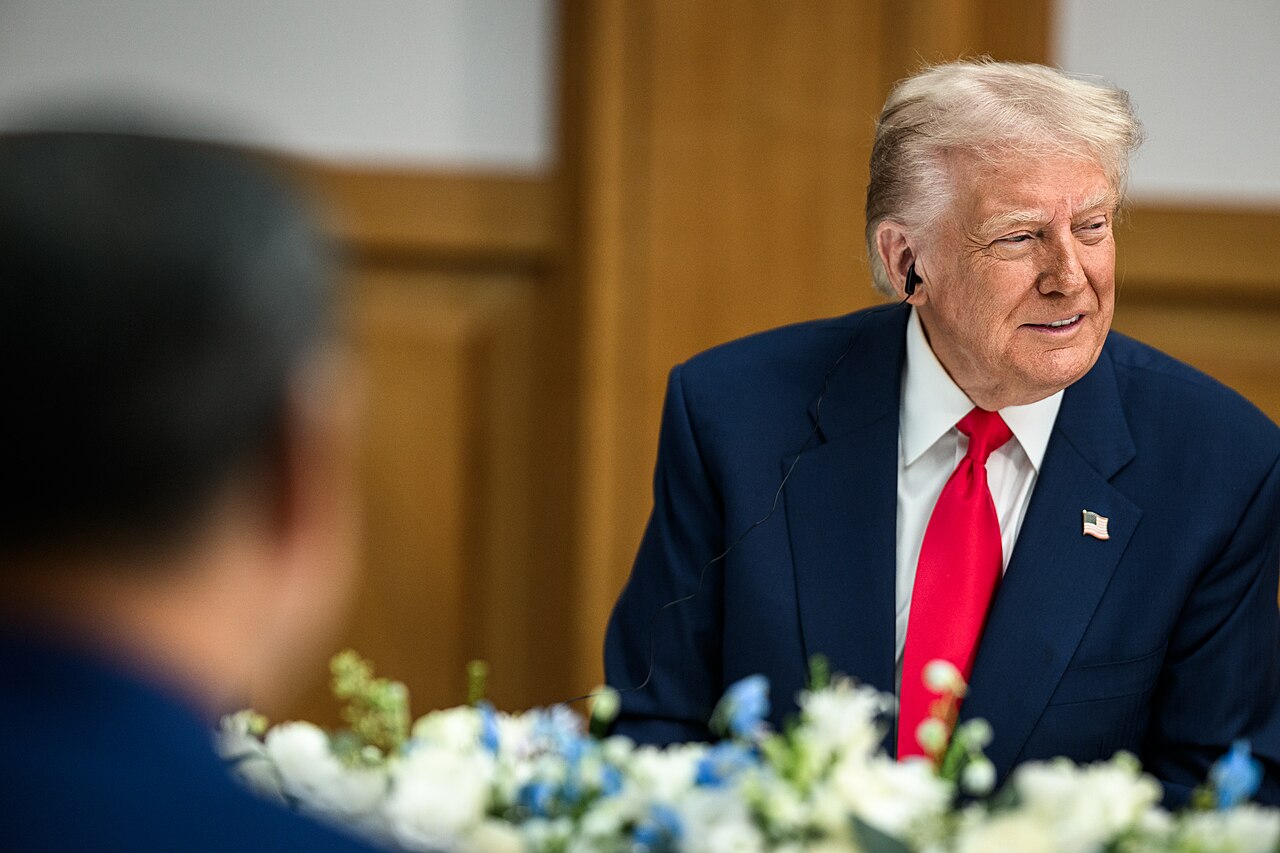
U.S. President Donald Trump said he is willing to submit his proposed agreement with Iran to Congress for review, responding to growing pressure from lawmakers who say they have received little information about the framework aimed at ending the ongoing conflict.
The U.S.-Iran memorandum of understanding (MOU), announced on Sunday, has fueled hopes that a war that has claimed thousands of lives and disrupted global markets could be nearing an end. According to officials from both nations, the agreement would extend the fragile ceasefire first established in April by another 60 days and allow the reopening of the Strait of Hormuz, a critical global shipping route that has remained largely inaccessible since military operations involving the United States and Israel began against Iran on February 28.
Despite the optimism surrounding the proposed peace deal, the full details remain unknown. The text of the agreement has not been publicly released, nor has it been formally submitted to Congress. Trump also reiterated that the arrangement would lead Iran to abandon its nuclear weapons ambitions, while Tehran continues to insist its nuclear activities are intended solely for peaceful purposes.
Democratic lawmakers remain skeptical. Senate Democratic Leader Chuck Schumer criticized the administration for failing to provide specifics, noting that previous declarations that the conflict was ending had not resulted in lasting peace. Schumer called for immediate classified briefings for congressional leaders and intelligence officials, as well as broader briefings for Congress and the American public.
Speaking to reporters during the G7 summit in France, Trump said he had not previously considered sending the MOU to Congress but now supports the idea. He indicated he would wait until after a formal signing ceremony expected later this week.
The issue could carry legal implications. Under the Iran Nuclear Agreement Review Act of 2015, any agreement involving Iran’s nuclear program may require congressional review before sanctions relief can be implemented. Such a review could allow lawmakers to challenge or block portions of the deal.
Several Republican lawmakers have also expressed frustration over the lack of transparency. Senate Republican Leader John Thune acknowledged efforts to obtain the agreement’s text, calling the situation unusual. Senator Thom Tillis questioned the credibility of an arrangement that remains largely secret, underscoring bipartisan concerns about the administration’s handling of the negotiations.
While some Republicans have occasionally challenged Trump’s approach to the Iran conflict, most members of the party have largely supported his foreign policy agenda during his second term. With Congress still awaiting details, scrutiny of the proposed U.S.-Iran peace agreement is expected to intensify in the coming days.







