


 Russian Envoy Dmitriev Heads to US for Ukraine Talks
  Zelenskiy Warns Russia Preparing Major Attack on Ukraine
  Marco Rubio to Meet Russia’s Lavrov in New York
  Sudan Rejects US Legitimacy Remarks, Defends Sovereignty
  Macron Challenges Trump’s Gaza Peace Claims at UN
  Taiwan Vows to Advance US Arms Sales Ahead of Trump-Xi Meeting
  US Invites Putin to Miami G20, Opening Door to Trump Summit
  Trump Says U.S.-Iran Peace Deal Near After UN Talks
  Trump to Press Xi on Release of US Nuclear Expert Held in China
  Lula and Flavio Bolsonaro Tied in Brazil Runoff Poll
  Ghana Says Western Support Growing for Slave Trade Reparations
  Trump Says ‘Freedom’ Is Coming to Cuba
  Trump Board of Peace Unveils $2.45 Billion Gaza Recovery Plan
  Macron, Trump Discuss Ukraine-Russia Energy Strike Moratorium
  Europe Warns Russia Is Escalating Hybrid Attacks Across NATO
  Gaza Faces Evacuation Crisis as War-Damaged Buildings Risk Collapse
  Burnham Eyes UK Leadership Role in AI Ahead of Trump Meeting


 Add as a preferred source on Google
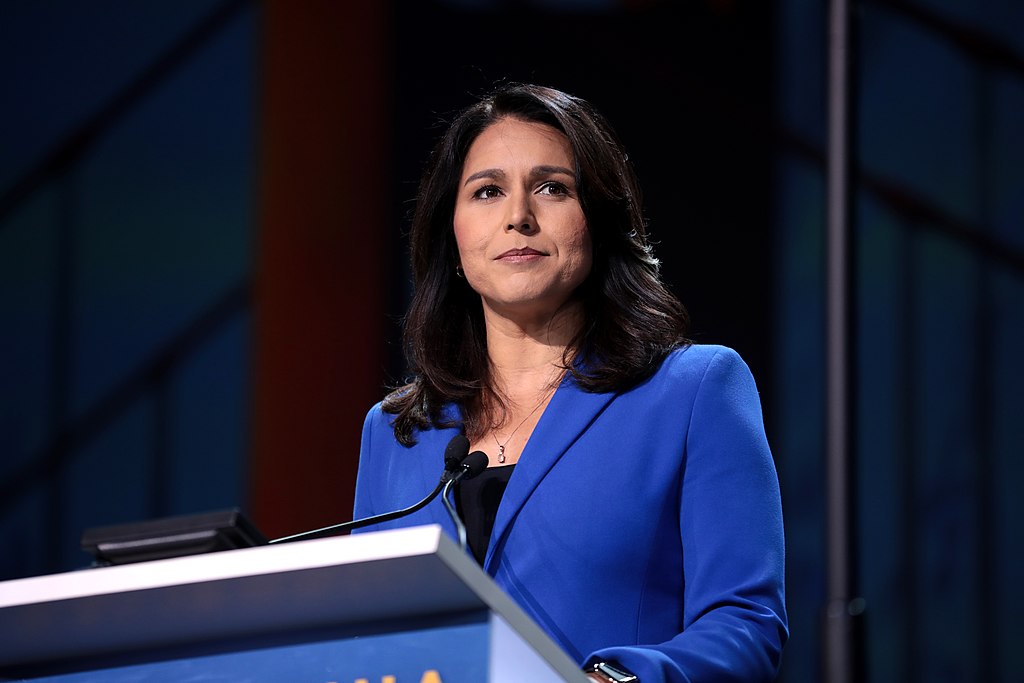
President-elect Donald Trump has named former Democratic Congresswoman Tulsi Gabbard as the next Director of National Intelligence (DNI), overseeing the nation’s intelligence agencies. The appointment has sparked immediate reactions from both sides of the political spectrum, with supporters praising the choice as bold and unconventional. At the same time, critics argue that her views may be too radical for the critical role of safeguarding America’s intelligence.
Tulsi Gabbard, a former representative from Hawaii and an Iraq War veteran, rose to national prominence during her tenure in Congress as a vocal critic of U.S. interventionist foreign policy. Her nonconformist views, which often ran counter to the Democratic Party’s mainstream positions, gained her a following among anti-establishment voters and even earned her respect from Republicans, including Trump himself. In 2019, Gabbard ran a maverick campaign in the Democratic presidential primaries, appealing to voters dissatisfied with establishment politics and focusing on issues like ending "regime change wars."
Announcing her appointment, Trump expressed confidence in Gabbard’s ability to challenge the status quo within the intelligence community. “Tulsi is a fearless leader who speaks her mind. She’s exactly what we need to take on the entrenched bureaucracy in Washington,” Trump said in a statement. “She will bring a fresh perspective to our national security that’s long overdue.”
Praise and Controversy Surround the Pick
The decision has already ignited debate. Trump’s supporters have hailed the appointment as a refreshing break from the conventional picks for intelligence positions, many of whom come from within the intelligence or national security establishment. Gabbard’s appointment, they argue, could inject much-needed reform into an intelligence community that has been criticized for lack of transparency and alleged bias.
However, critics from both the Democratic and Republican parties are less enthusiastic. Many within the intelligence and national security sectors are wary of Gabbard’s non-interventionist views and her calls for de-escalation in U.S. relations with countries like Syria and Iran. Some have expressed concern that her stance could clash with traditional intelligence objectives, potentially weakening the U.S. posture against adversaries.
“Tulsi Gabbard as DNI is one of the most contentious moves we’ve seen,” said a senior intelligence official on the condition of anonymity. “The role requires a firm commitment to American interests on the global stage, and there are concerns about whether her policies align with the traditional priorities of the intelligence community.”
Gabbard’s Vision for National Intelligence
In response to the news, Gabbard emphasized her commitment to serving the American people and ensuring that the intelligence community acts with integrity and in alignment with U.S. interests.
Gabbard has previously called for significant reform within U.S. intelligence agencies, criticizing what she describes as “politicization” and “overreach” within parts of the intelligence community. Supporters say her willingness to challenge orthodoxy is exactly what the country needs, particularly in an era of rising tensions and complex global threats.
Looking Ahead
With her confirmation process likely to face intense scrutiny, it remains to be seen whether Gabbard can rally enough support to secure the position. Many in Congress are already preparing to question her views on foreign policy and national security, which they fear may disrupt U.S. intelligence operations.







