


 Saudi Arabia Shuts East-West Oil Pipeline After Drone Attack
  Trump, Xi Focus on Trade and AI at White House Summit
  China Reviews Broadcom Switch Use in State Data Centres
  White House Bars CNN, MS NOW and Politico Reporters
  DOJ Will Investigate AI-Related Crimes, Attorney General Blanche Says
  Who should own the knowledge that underpins AI technology?
  Saudi Arabia Seeks Military Support as Houthi Attacks Escalate
  Synthetic data could ease people’s concerns about privacy breaches. But who gets to create it?
  Pope Leo Backs Press Freedom After White House Media Ban
  Trump Administration Plans Faster FDA Reviews for Smoke-Free Nicotine Products
  US Judge Dismisses Imran Ahmed Deportation Lawsuit
  Colombia Extradites FARC Dissident Leader ‘Spider’ to US
  Abbas Reaffirms November 28 Palestinian Elections
  Yemen Violence Displaces 130,000 as Civilian Toll Rises
  US Backs Musk in Fight Against EU’s €120 Million X Fine
  What ‘Taiwan Independence’ Means as Xi Presses Trump on US Policy
  Pope Leo Warns UN, Multilateral Groups Face Crisis


 Add as a preferred source on Google
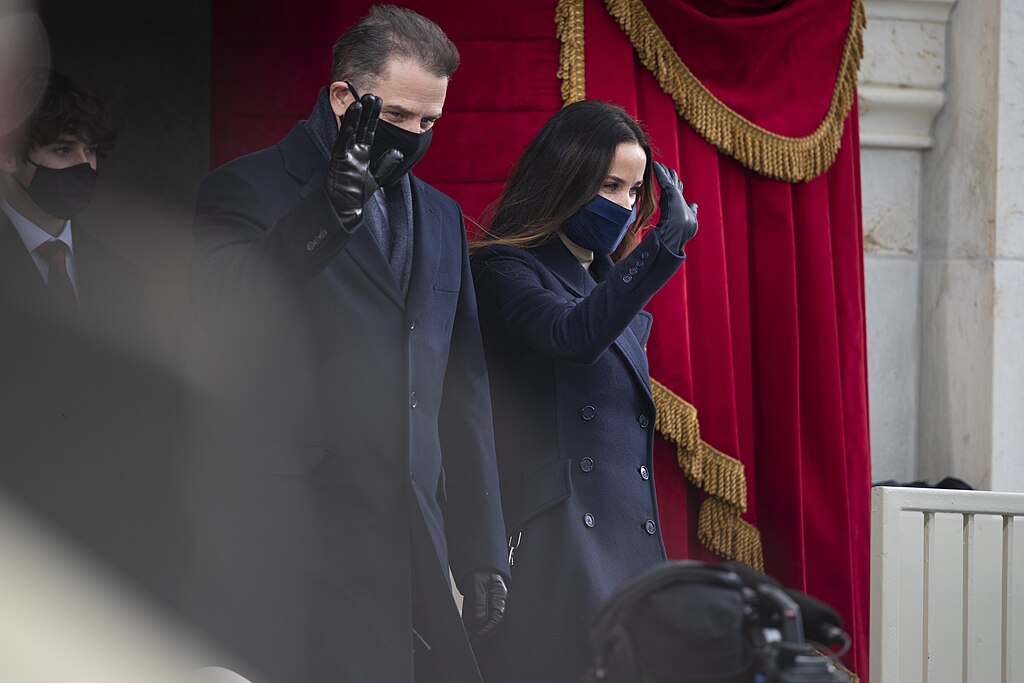
U.S. President Donald Trump has revoked Secret Service protection for Hunter Biden and Ashley Biden, citing taxpayer costs.
"Hunter Biden has had Secret Service protection for an extended period, all paid for by the United States taxpayer," Trump stated on Truth Social. "Effective immediately, Hunter Biden will no longer receive Secret Service protection. Likewise, Ashley Biden, who has 13 agents, will be taken off the list."
Trump’s decision came after a reporter questioned him about Hunter Biden’s security detail. Initially unaware, the president promised to look into it. Hours later, he announced the removal of their federal protection.
The move follows heightened scrutiny of Hunter Biden, who has faced multiple legal and political controversies. The Secret Service has been involved in past incidents related to him, further fueling public debate over taxpayer-funded security for the president’s family members.
This action is expected to stir political reactions as Trump continues his administration’s approach toward reducing government spending on non-essential security expenses. The decision aligns with his stance on limiting government-funded privileges, particularly for political figures and their families.
As the 2024 election cycle heats up, Trump’s announcement could have broader political implications, sparking further debate on the use of taxpayer money for security details beyond current government officials.







