


 Pope Leo Warns UN, Multilateral Groups Face Crisis
  Trump Asks Supreme Court to Restore Third-Country Deportations
  Netanyahu Defends Israel at UN as Delegates Stage Walkout
  What ‘Taiwan Independence’ Means as Xi Presses Trump on US Policy
  North Korea Warns South Korea Over US-Led Defense Role
  Pope Leo Backs Press Freedom After White House Media Ban
  Najib Razak Seeks Stay of 15-Year 1MDB Prison Sentence
  Trump Warns China Against Supporting Iran in Xi Talks
  North Korea Rejects Nuclear Test Warning, Calls Nuclear Status Irreversible
  Abbas Reaffirms November 28 Palestinian Elections
  US Supreme Court Revives Trump Administration Voter Citizenship Database
  Netanyahu’s Brief US Trip Highlights Strains With Trump
  US Backs Musk in Fight Against EU’s €120 Million X Fine
  Trump, Xi Focus on Trade and AI at White House Summit
  Xi Calls for Deeper U.S.-China AI Cooperation in Trump Talks
  Ukrainian Drone Attacks Hit Russian Regions, Injuring at Least 12
  US Comfortable With Canada Trade Standoff as Import Bans Loom


 Add as a preferred source on Google
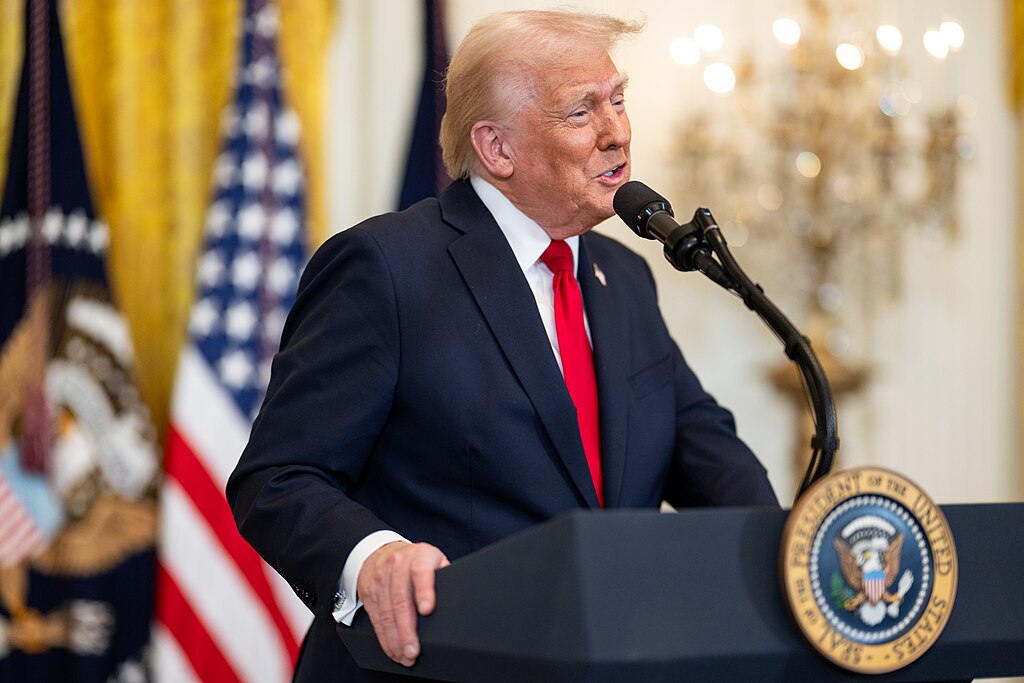
U.S. President Donald Trump stated Monday that he would consider invoking the Insurrection Act if specific conditions called for it. Speaking to reporters in the Oval Office, Trump explained that he would take such action if local or state authorities failed to maintain order during violent unrest.
“If people were being killed and courts were holding us up, or governors or mayors were holding us up, sure,” Trump said, referring to the potential use of the rarely invoked law.
The Insurrection Act, enacted in 1807, allows the President to deploy military forces within the United States to suppress civil disorder, insurrection, or rebellion. Historically, it has been used sparingly — most notably during the Civil Rights era and following natural disasters when local law enforcement could not restore order.
Trump’s remarks come amid heightened tensions over civil unrest and public safety. The President emphasized that invoking the act would be a last resort, only if state and local leaders were unable or unwilling to control violence or protect citizens. His statement signals that the administration is prepared to take federal action if unrest escalates beyond local control.
The discussion surrounding the Insurrection Act has sparked renewed debate about presidential authority, states’ rights, and the limits of federal intervention. Critics argue that its use could inflame tensions, while supporters claim it demonstrates a strong commitment to law and order.
As the nation continues to grapple with issues of security and civil unrest, Trump’s comments underscore the administration’s stance on maintaining peace and protecting public safety — even if it means invoking one of the country’s most powerful emergency laws.







