


 EU Defence Build-Up Too Slow for 2030 Russia Readiness Goal
  Pope Leo Backs Press Freedom After White House Media Ban
  What ‘Taiwan Independence’ Means as Xi Presses Trump on US Policy
  Ukrainian Drone Attacks Hit Russian Regions, Injuring at Least 12
  Iran Rejects Nuclear Concessions in Hormuz Deal
  Colombia Extradites FARC Dissident Leader ‘Spider’ to US
  Netanyahu’s Brief US Trip Highlights Strains With Trump
  US Supreme Court Revives Trump Administration Voter Citizenship Database
  Trump, Xi Visit US National Archives After White House Summit
  North Korea Warns South Korea Over US-Led Defense Role
  Evan Gershkovich Says FSB Set Trap for 2023 Russia Arrest
  US Comfortable With Canada Trade Standoff as Import Bans Loom
  France Defends Netanyahu Airspace Clearance Despite ICC Warrant
  Trump Warns China Against Supporting Iran in Xi Talks
  Pope Leo Warns UN, Multilateral Groups Face Crisis
  Najib Razak Seeks Stay of 15-Year 1MDB Prison Sentence
  Pezeshkian Says US Must Choose When Iran War Ends


 Add as a preferred source on Google
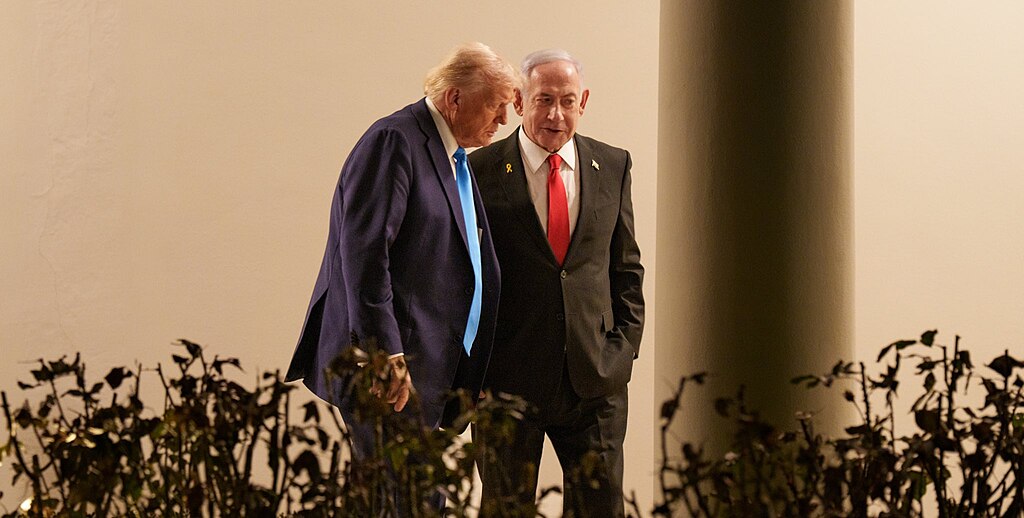
U.S. President Donald Trump stated on Tuesday that Israel’s recent military strike on Qatar was a decision made by Prime Minister Benjamin Netanyahu, not by the White House. Trump emphasized that the move was unilateral and not aligned with U.S. strategy in the Middle East.
In a message shared on social media, Trump criticized Israel’s action, writing, “Unilaterally bombing inside Qatar, a sovereign nation and close ally of the United States, that is working very hard and bravely taking risks with us to broker peace, does not advance Israel or America’s goals.” He stressed that such actions could harm U.S. diplomatic efforts in the region.
Qatar has played a key role as a mediator in regional negotiations, including efforts to reduce tensions involving Hamas and Gaza. Trump highlighted that while he opposed Israel’s choice of targeting Qatar, he recognized the importance of addressing Hamas, which he accused of exploiting the suffering of civilians in Gaza for its own benefit. “Eliminating Hamas, who have profited off the misery of those living in Gaza, is a worthy goal,” Trump added.
The statement underscores a growing divide between U.S. and Israeli approaches to regional security. While Washington values Qatar as a partner in peace talks and counterterrorism, Israel’s strike risks destabilizing an already fragile diplomatic balance. Analysts suggest that Trump’s distancing from Netanyahu’s decision reflects a careful attempt to reassure both Qatar and other regional allies of continued U.S. support.
The incident adds tension to U.S.-Israel relations at a time when collaboration remains critical to Middle East security. Trump’s remarks suggest that Washington remains committed to peace efforts while condemning actions that could undermine alliances and regional stability.







