


 FAA Allows Boeing to Sell 35 More 777F Freighters Beyond 2028
  Nvidia-Groq AI Chip Deal Faces U.S. Antitrust Probe
  France Defends Netanyahu Airspace Clearance Despite ICC Warrant
  US Backs Musk in Fight Against EU’s €120 Million X Fine
  FDA Weighs Safety Standards for Psychedelic Therapies
  US Senate Rejects Iran War Powers Resolution in 50-49 Vote
  What ‘Taiwan Independence’ Means as Xi Presses Trump on US Policy
  China Reviews Broadcom Switch Use in State Data Centres
  Who should own the knowledge that underpins AI technology?
  US Resumes Immigrant Visa Processing for Hungary, Poland
  North Korea Rejects Nuclear Test Warning, Calls Nuclear Status Irreversible
  Pezeshkian Says US Must Choose When Iran War Ends
  Judge Orders Trump to Restore White House Access for CNN, MS NOW and Politico
  White House Bars CNN, MS NOW and Politico Reporters
  ICE Agent Arrested in Minneapolis Over Venezuelan Man Shooting
  Trump Scales Back Endangered Species Act Protections


 Add as a preferred source on Google
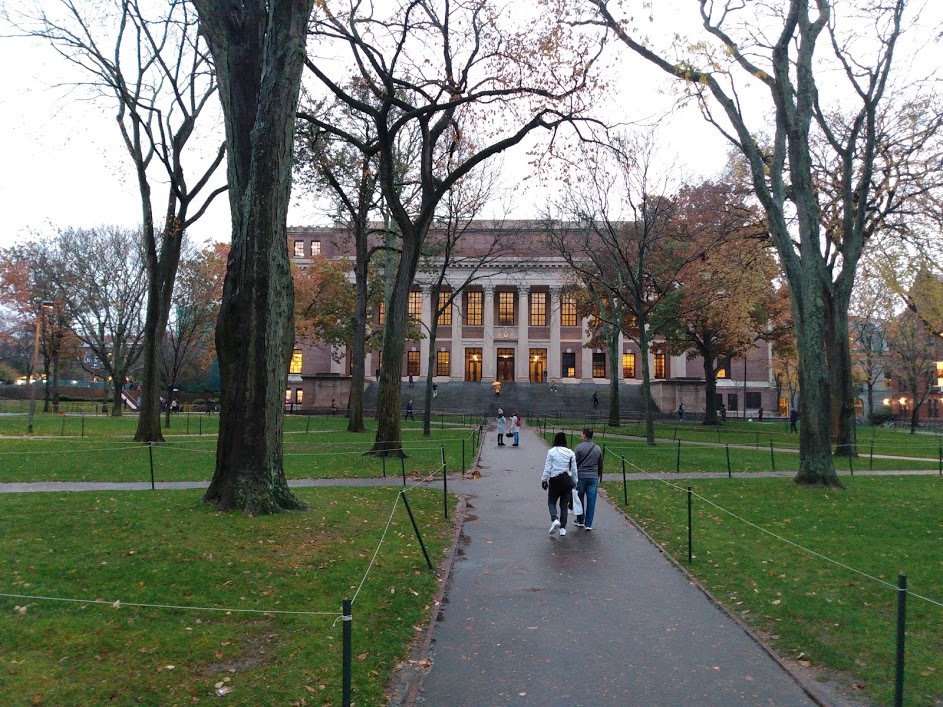
The Trump administration has revoked Harvard University’s certification to enroll international students, affecting nearly 6,800 foreign scholars—27% of its student body. The move, effective for the 2025-2026 school year, forces current visa holders to transfer or face deportation. Homeland Security Secretary Kristi Noem accused Harvard of promoting antisemitism, inciting violence, and allegedly cooperating with the Chinese Communist Party.
Noem demanded Harvard submit detailed records on foreign students, including protest footage from the past five years, within 72 hours to restore its Student and Exchange Visitor Program (SEVP) status. The university rejected the order, calling it “unlawful retaliation” and vowed to fight back, stressing its commitment to global education and academic freedom.
The decision comes amid broader efforts by President Trump to reform U.S. higher education institutions, particularly elite schools he claims are fostering “radical left” ideologies. The administration has already frozen $3 billion in federal grants to Harvard and may expand similar actions to other universities, including Columbia.
Critics, including Congressional Democrats and immigration advocates, argue the action punishes innocent students and violates legal norms. A federal judge recently ruled that the administration cannot revoke student visas without due process, casting doubt on the legality of the Harvard order.
The Chinese Embassy has not commented, though Chinese nationals are the largest international student group at Harvard. Harvard has filed lawsuits challenging federal funding cuts and reiterated its stance against antisemitism.
This escalating clash underscores the Trump administration’s hardline stance on immigration and education reform, with potential consequences for U.S. academic institutions’ global standing and international student access.







