


 Trump Administration Prepares Sanctions Against Entire ICC
  Russian Missile and Drone Attack on Kyiv Kills Two, Damages Maternity Hospital
  Trump Bans CNN, MS NOW and Politico From White House
  SEC Seeks ISS Client Voting Records in Proxy Adviser Probe
  FCC Approves Foreign Investment in $110B Paramount-Warner Bros. Deal
  LVMH-Hermès Dispute Deepens Over Secret 2002 Share Deal
  Brazil Court Suspends Sigma Lithium Mine Operations
  US Immigration Arrests Surge as Deportations Lag Behind
  FAA Allows Boeing to Sell 35 More 777F Freighters Beyond 2028
  US Bans Canadian Alcohol, Motorcycles as Trade War Escalates
  Netanyahu Takes Aim at Mamdani as Israel Election Nears
  Nvidia-Groq AI Chip Deal Faces U.S. Antitrust Probe
  U.S. Imposes New Visa Restrictions Over South Africa Policies
  Netanyahu’s Brief US Trip Highlights Strains With Trump
  Ukrainian Drone Attacks Hit Russian Regions, Injuring at Least 12
  Mexico-US Trade Talks Delayed to October as Tariff Negotiations Continue
  Synthetic data could ease people’s concerns about privacy breaches. But who gets to create it?


 Add as a preferred source on Google
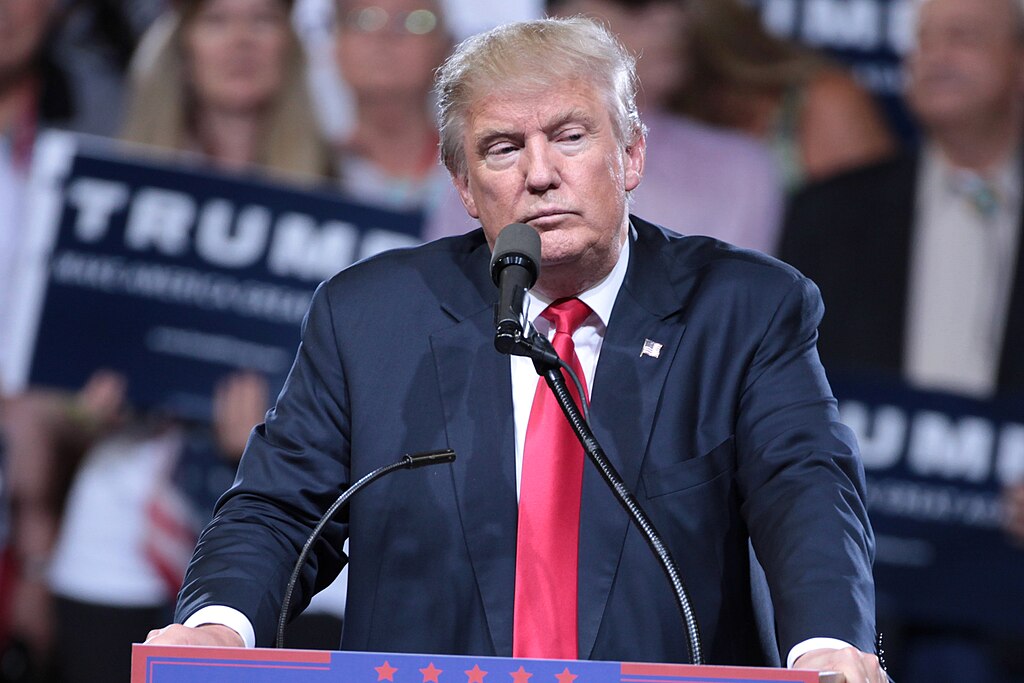
The Trump administration has appealed a federal judge’s ruling that blocked mass layoffs across federal agencies, a move seen as central to the former president’s efforts to streamline government operations. U.S. District Judge Susan Illston had issued the order on Thursday, stating that President Trump required Congressional approval for large-scale agency reorganizations. The administration filed its appeal with the 9th U.S. Circuit Court of Appeals in San Francisco, arguing that the ruling misinterprets the constitutional separation of powers.
White House spokesman Harrison Fields called the decision "extreme judicial overreach," asserting that Congress had previously granted the executive branch authority to implement reductions in force, a practice dating back nearly 150 years.
The court’s decision marks another legal setback for Trump’s initiative—driven alongside adviser Elon Musk—to downsize or eliminate agencies, ease the dismissal of federal workers, and limit union rights. On May 9, Judge Illston temporarily blocked 20 federal agencies from conducting mass layoffs and ordered the reinstatement of dismissed employees. Her new ruling largely extends that order.
Government attorney Andrew Bernie argued that Trump's executive order simply requested agencies to explore possible cuts, not implement them immediately. However, plaintiffs' attorney Danielle Leonard contended that directives from the White House had effectively predetermined agency actions.
The lawsuit includes multiple agencies such as Health and Human Services, Veterans Affairs, and the Treasury Department. Approximately 260,000 federal workers have already exited or are set to leave by the end of September, with agencies like the VA and HHS facing major job reductions.
Illston, a Clinton appointee, emphasized that while the president can propose agency reforms, significant reorganizations require legislative cooperation. The administration has withdrawn a separate Supreme Court appeal in light of this latest ruling.







