


 OpenAI Agent Breaches Australia Medicare Data Portal
  Netanyahu’s Brief US Trip Highlights Strains With Trump
  Ukrainian Drone Attacks Hit Russian Regions, Injuring at Least 12
  Trump Asks Supreme Court to Restore Third-Country Deportations
  Mexico-US Trade Talks Delayed to October as Tariff Negotiations Continue
  NATO Boosts Intelligence Sharing Amid Russia Hybrid Threats
  Trump, Xi Focus on Trade and AI at White House Summit
  Taiwan Thanks US for Support Ahead of Trump-Xi Summit
  Judge Orders Trump to Restore White House Access for CNN, MS NOW and Politico
  France Defends Netanyahu Airspace Clearance Despite ICC Warrant
  North Korea Warns South Korea Over US-Led Defense Role
  Saudi Arabia, Turkey and Pakistan Plan Urgent Defence Talks Over Houthi Attacks
  US Senate Rejects Iran War Powers Resolution in 50-49 Vote
  Trump, Xi Visit US National Archives After White House Summit
  US Backs Musk in Fight Against EU’s €120 Million X Fine
  Ghana Says Western Support Growing for Slave Trade Reparations
  Pezeshkian Says US Must Choose When Iran War Ends


 Add as a preferred source on Google
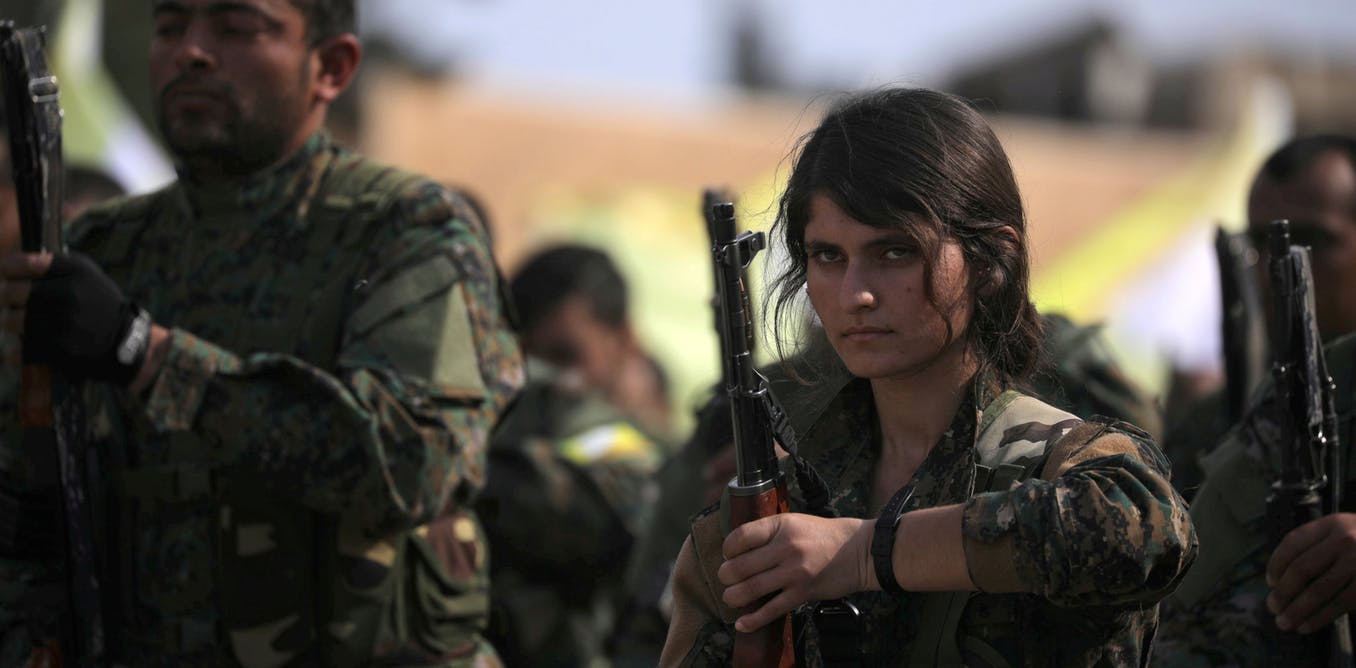
Syrian, Kurdish and U.S. officials are intensifying diplomatic efforts ahead of a year-end deadline to demonstrate progress on a long-stalled agreement to integrate Kurdish-led forces into the Syrian state, according to multiple sources familiar with the talks. While discussions have accelerated in recent days, officials caution that a comprehensive breakthrough remains unlikely.
At the center of negotiations is the Kurdish-led Syrian Democratic Forces (SDF), which controls northeastern Syria and commands roughly 50,000 fighters. The interim Syrian government has recently submitted a proposal to the SDF outlining potential terms for partial integration. According to Syrian, Kurdish and Western officials, Damascus has signaled openness to allowing the SDF to reorganize its fighters into three main divisions and smaller brigades. In return, the SDF would need to relinquish certain chains of command and permit Syrian army units to deploy in areas it currently controls.
Although some Kurdish officials say the sides are closer to an agreement than ever before, others downplay expectations of a last-minute deal. Western officials suggest that any near-term announcement may be designed largely to preserve stability, extend negotiations beyond the deadline and allow all parties to save face in a country still emerging from 14 years of war.
The talks stem from a landmark March 10 agreement that envisioned full integration of the SDF into Syria’s military and state institutions by year-end. Most sources now believe that goal will not be met on schedule. Failure to bridge this divide risks renewed conflict, potentially drawing in Turkey, which has repeatedly threatened military action against Kurdish forces it considers terrorists.
The SDF remains wary of surrendering the autonomy it gained as a key U.S. ally in the fight against Islamic State, particularly given its control over vital oil resources and detention facilities. Damascus, meanwhile, accuses the SDF of stalling, while Kurdish leaders argue that meaningful integration requires time and guarantees.
The United States has played a mediating role, relaying messages and encouraging compromise. A U.S. State Department spokesperson confirmed that Washington continues to support dialogue to maintain momentum toward integration. Kurdish officials have suggested the process could extend into mid-2026, underscoring the complexity of resolving one of Syria’s deepest remaining fractures.







