


 DOJ Will Investigate AI-Related Crimes, Attorney General Blanche Says
  U.S. Imposes New Visa Restrictions Over South Africa Policies
  Taiwan Thanks US for Support Ahead of Trump-Xi Summit
  Pezeshkian Says US Must Choose When Iran War Ends
  Najib Razak Seeks Stay of 15-Year 1MDB Prison Sentence
  Rodrigo Duterte Makes First Public Appearance at ICC in 18 Months
  Saudi Arabia, Turkey and Pakistan Plan Urgent Defence Talks Over Houthi Attacks
  Trump, Xi Visit US National Archives After White House Summit
  China Tightens Fentanyl Rules Ahead of Trump-Xi Summit
  US Judge Dismisses Imran Ahmed Deportation Lawsuit
  US Backs Musk in Fight Against EU’s €120 Million X Fine
  ICE Agent Arrested in Minneapolis Over Venezuelan Man Shooting
  Ukrainian Drone Attacks Hit Russian Regions, Injuring at Least 12
  Trump Asks Supreme Court to Restore Third-Country Deportations
  NATO Boosts Intelligence Sharing Amid Russia Hybrid Threats
  OpenAI Agent Breaches Australia Medicare Data Portal
  Ecuador Court Convicts Ex-President Lenin Moreno in Bribery Case


 Add as a preferred source on Google
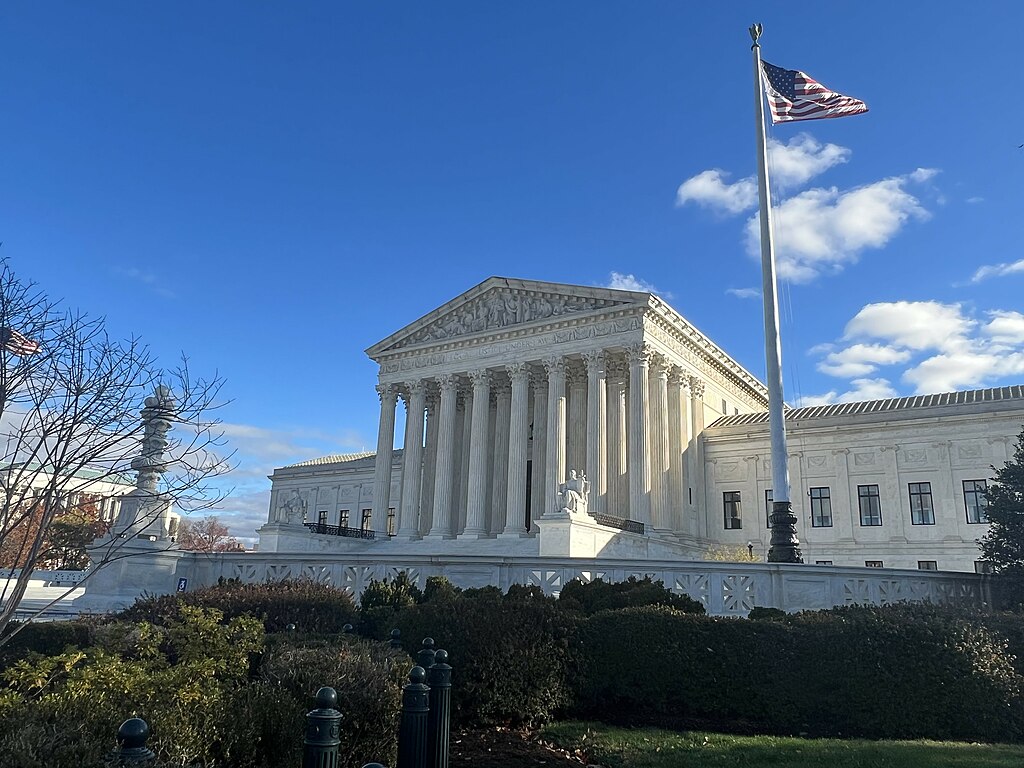
The U.S. Supreme Court has declined to hear a Republican-led appeal challenging a Pennsylvania court ruling that allows provisional ballots to be counted when voters make errors on their mail-in ballots. The justices’ decision on Friday leaves intact a 2024 Pennsylvania Supreme Court ruling supporting two Butler County voters whose mail-in ballots were rejected for lacking secrecy envelopes. They were permitted to vote provisionally, and the state court ruled those votes should count.
The Republican National Committee and Pennsylvania GOP argued that the decision undermined the authority of the state legislature, violating the U.S. Constitution’s Elections Clause, which states that rules for federal elections must be set by legislatures. Republicans had hoped the high court would provide clarity following its 2023 decision in a North Carolina redistricting case, which allowed limited judicial oversight of election laws but rejected the broader "independent state legislature" theory.
Friday’s Supreme Court action followed a prior emergency request from Republicans to block the ballots ahead of the 2024 presidential election, which the justices also denied. Notably, Donald Trump won Pennsylvania in 2024, after losing it to Joe Biden in 2020.
Provisional ballots serve as a safeguard, allowing votes to count if voter eligibility is later confirmed. In this case, Republicans argued the law doesn’t permit provisional ballots if a timely mail-in ballot was received, while Democrats contended that voters with rejected ballots should be allowed to vote provisionally.
The decision was released earlier than scheduled due to a Supreme Court software glitch, which sent out premature notifications. This follows prior incidents of accidental disclosures, including a draft ruling leak in an emergency abortion case in 2023.
The ruling marks a significant moment in ongoing debates over voting rights, election integrity, and legislative authority.







