


 Asian Currencies Mixed as Dollar Holds Near Two-Month High
  U.S. 10-Year Treasury Yield Hits 2007 High as Fed Rate Hike Bets Rise
  Fed Unveils Stablecoin Rules Under GENIUS Act
  Oil Prices Ease as Iran Tensions Clash With Diplomacy Hopes
  Trump, Xi Focus on Trade and AI at White House Summit
  U.S. Dollar Hits Two-Month High as Oil, Treasury Yields Surge
  US Stock Futures Fall as Treasury Yields Surge Ahead of Trump-Xi Summit
  Russian Envoy Dmitriev Heads to US for Ukraine Talks
  Wall Street Falls as Treasury Yields Surge, Oil Rebounds on Iran Tensions
  Oil Prices Jump 3% as Houthi Attack Revives Supply Fears
  RBI Uses $10 Billion Currency Swaps to Drain Excess Rupee Liquidity
  US 10-Year Treasury Yield at 6% Emerges as New Market Risk Threshold
  Mexico-US Trade Talks Delayed to October as Tariff Negotiations Continue
  US, China Extend Trade Truce to Jan. 10 Ahead of Trump-Xi Summit
  China’s ‘Lipstick King’ Says AI Won’t Replace Livestream Hosts
  Japan Private-Sector Growth Slows as Domestic Demand Weakens
  Gold Holds Near $4,275 as Rising Treasury Yields Fuel Fed Rate Hike Bets


 Add as a preferred source on Google
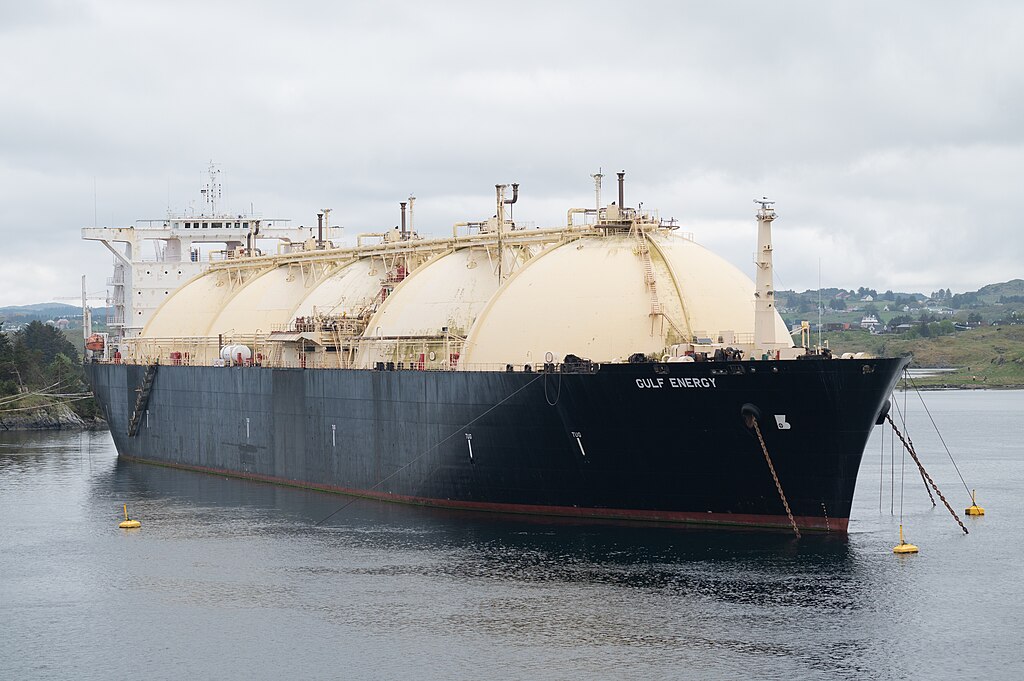
The global energy market is facing its most serious disruption since the Ukraine invasion, as escalating tensions involving Iran have effectively halted traffic through the Strait of Hormuz. This narrow waterway is the world’s most critical route for liquefied natural gas (LNG), handling nearly 20% of global LNG supply. With Iranian state media calling the passage “practically closed,” energy traders are bracing for severe volatility in global gas prices.
Ship-tracking data shows at least 11 major LNG tankers have paused operations in the region. Leading Japanese shipping companies, including Nippon Yusen K.K. and Mitsui OSK Lines, have instructed vessels to remain in safe waters until further notice. The disruption is particularly alarming because there is no viable alternative route for the massive volumes of Qatari LNG exported through the strait. Unlike crude oil, LNG shipments cannot easily be rerouted via pipelines, increasing supply chain vulnerability.
Asian economies are especially exposed to the LNG supply shock. China, India, and Japan—among the largest importers of Qatari natural gas—are scrambling to secure alternative cargoes in an already tight global market. Analysts warn that LNG spot prices could surge rapidly, reversing months of relative price stability and placing renewed pressure on energy-dependent industries and households.
The ripple effects extend beyond spot markets. Many long-term LNG contracts are indexed to Brent crude oil prices, meaning any spike in oil will push contracted gas costs higher as well. Meanwhile, LNG production facilities in Qatar and the UAE may face operational slowdowns if tankers cannot depart, potentially tightening supply even further.
As Israel halts gas field operations and Iranian pipeline flows to Turkey face uncertainty, countries such as Egypt are turning to expensive seaborne LNG. The result is a global bidding war for limited cargoes, amplifying energy price risks worldwide.







