


 Scandinavian Tobacco Group Sells BREAK and Moro Brands to Japan Tobacco for €176 Million
  Amkor Stock Surges 17% After $1.5 Billion Nvidia AI Packaging Partnership
  Wistron Opens $700M Texas AI Factory to Build Nvidia Superchips in U.S.
  Samsung Eyes Up to $1.14 Billion Investment in AI Startup Mistral
  Uber Stock Falls as Waymo Plans to End Robotaxi Partnership by 2028
  Trump Administration Monitors OpenAI Incident as Lawmakers Push AI Kill Switch Bill
  AMD Unveils Helios AI Servers to Challenge Nvidia as OpenAI Adopts New Platform
  Nike Shifts China Online Sales Strategy to Boost Brand and Fight Local Rivals
  Alphabet Q2 Earnings Beat Estimates as AI Spending, Google Cloud Growth Fuel Outlook
  Trump Orders Section 301 Probe Into EU Tech Fines, Signals New Tariffs
  Wistron Opens $700M Texas AI Factory to Build Nvidia GB300 Superchips
  IBM Q2 Earnings Miss Estimates as Software Growth Offsets Infrastructure Weakness
  Nvidia Reveals 9.3% Stake in AI Cloud Firm Nebius Following $2 Billion Investment
  OpenAI Australia Data Center Switches Cooling Strategy After Recycled Water Plan Fails
  ASML Trillion-Dollar Valuation: Can Europe’s AI Chip Giant Reach the Historic Milestone?


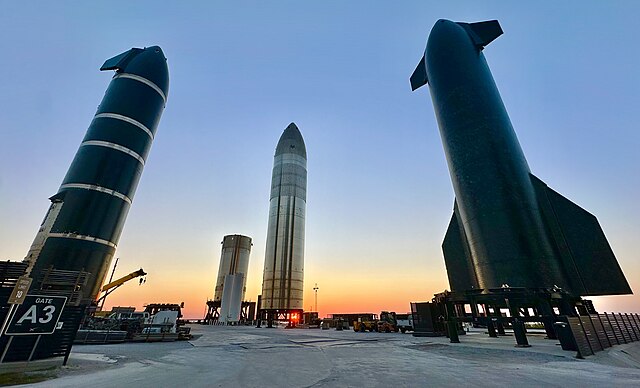
Elon Musk has seen one of the steepest declines in paper wealth ever recorded as shares of SpaceX (NASDAQ: SPCX) continue to slide following the company's blockbuster public debut.
After raising $75 billion in its June 12, 2026 IPO, SpaceX stock jumped from its $135 offering price to a record $225.64 just four days later. However, the rally quickly reversed. By Friday, SPCX had fallen to $112.96, down 4.47% on the day, 16% below its IPO price, and nearly 50% off its all-time high.
The decline has dramatically reduced Musk's estimated net worth. Bloomberg Billionaires Index data shows his fortune shrinking from roughly $1.45 trillion on June 16 to about $738 billion by July 23, representing a paper loss of approximately $650 billion to $700 billion in just five weeks.
Despite the market selloff, Musk maintains firm control over SpaceX. SEC filings show his trusts own a 42% economic stake, while the company's dual-class share structure gives him roughly 82% of the voting power, allowing him to retain operational control even as public investors absorb the stock's volatility.
Bearish investors have benefited from the decline. Short sellers have reportedly accumulated around $15.5 billion in paper profits, with short interest climbing to nearly one-third of the public float despite Musk's previous warnings against betting against the company.
The selloff accelerated after two major setbacks. On July 16, a Starship launch was scrubbed because of an engine issue, pushing SpaceX shares lower. Days later, Tesla (NASDAQ: TSLA) reported disappointing second-quarter earnings, missing profit expectations as operating income plunged nearly 57% year over year and free cash flow turned negative. Tesla shares tumbled 14.52%, further reducing Musk's wealth.
Musk has also fueled speculation about a possible Tesla-SpaceX merger, citing growing collaboration between the companies, including Starlink integration and shared AI chip development. He suggested the probability of such a deal is around 80%, while noting any transaction would require proper corporate approvals.
Investors are now focused on several key catalysts, including SpaceX's first quarterly earnings report on August 4, the August 6 lockup expiration that could release up to 911.5 million insider shares for sale, and the next Starship test flight, all of which could significantly influence the stock's direction.







