


 OpenAI Australia Data Center Switches Cooling Strategy After Recycled Water Plan Fails
  Domino’s Weighs Appeal After Australian Court Rules Workers Were Misled on Pay
  Volkswagen Cuts 2026 Revenue Outlook as China Weakness, Trade Risks Weigh
  AMD Unveils Helios AI Servers to Challenge Nvidia as OpenAI Adopts New Platform
  Cathay Pacific Sees H1 Profit Surge on Strong Travel Demand
  Oracle Stock Rises After Winning Up to $6.99 Billion U.S. Defense Software Contract
  Paramount-Warner Bros. Merger Delayed Until 2027 Amid Antitrust Lawsuit
  Samsung Eyes Up to $1.14 Billion Investment in AI Startup Mistral
  Trump Administration Monitors OpenAI Incident as Lawmakers Push AI Kill Switch Bill
  SpaceX Stock Slump Wipes Out Nearly $700 Billion From Elon Musk’s Paper Wealth
  Wistron Opens $700M Texas AI Factory to Build Nvidia GB300 Superchips
  Rubio Rejects AI ‘Kill Switch’ Claims as U.S. Defends American Technology Abroad
  Macquarie Names Greg Ward as CEO, Signaling Stability and Strategic Continuity
  Scandinavian Tobacco Group Sells BREAK and Moro Brands to Japan Tobacco for €176 Million
  IBM Q2 Earnings Miss Estimates as Software Growth Offsets Infrastructure Weakness
  Australia ASIC Tightens Auditor Oversight After KPMG Leak Scandal


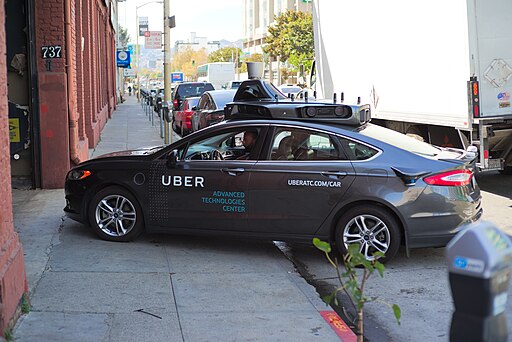
Uber Technologies (NYSE: UBER) shares fell about 4% on Friday, with selling pressure intensifying late in the session after a Financial Times report revealed that Alphabet-owned Waymo is considering ending its partnership with the ride-hailing company.
According to the report, Waymo has been holding internal discussions about exiting its current agreements with Uber, including their robotaxi operations in Austin and Atlanta. The potential split marks a significant shift in the rapidly evolving autonomous vehicle industry.
Uber later confirmed the report, stating that Waymo has officially informed the company of its intention to launch independent robotaxi services in both Austin and Atlanta by January 2028, when the existing agreement allows it to do so.
The companies began working together in 2023 to expand autonomous ride-hailing services. However, the partnership has become increasingly strained as both firms pursue competing strategies in the growing robotaxi market.
Beyond commercial competition, the rivalry has also extended to public policy. According to the Financial Times, Uber and Waymo are lobbying lawmakers for autonomous vehicle regulations that support their respective business models, highlighting the widening divide between the two companies.
A breakup would represent a major challenge for Uber’s autonomous vehicle ambitions. The company has relied on partnerships with multiple self-driving technology providers to build its robotaxi network instead of developing a fully proprietary autonomous driving system.
If Waymo proceeds with its planned departure, Uber may need to strengthen relationships with other autonomous vehicle developers or seek new strategic partnerships to maintain its position in the expanding robotaxi market.
For Waymo, operating independently would provide greater control over its autonomous ride-hailing business while intensifying competition with Uber in key U.S. cities. Investors will likely monitor future developments closely, as the move could reshape the competitive landscape of autonomous transportation and influence the long-term strategies of both companies in the fast-growing robotaxi sector.







