


 US Immigration Arrests Surge as Deportations Lag Behind
  US, Japan and South Korea Back Taiwan Ahead of Trump-Xi Summit
  AfD Wins German State Election as Merz’s CDU Hits Historic Low
  Nvidia-Groq AI Chip Deal Faces U.S. Antitrust Probe
  Appeals Court Rejects Trump Third-Country Deportation Policy
  Paramount-Warner Bros $110 Billion Deal Draws Antitrust Backlash
  Mahmoud Khalil Sues Columbia Over Alleged Pro-Palestinian Harassment
  Michelle Bachelet Withdraws From UN Secretary-General Race
  Trump Administration Prepares Sanctions Against Entire ICC
  Judge Blocks Trump Rule Limiting Foreign Student Visas
  Australia Tightens Student Visa Rules, Targets Migration Cut by 2028
  Meta Agrees to $18 Billion Settlement, Tightens Teen Social Media Rules
  US Bans Canadian Alcohol, Motorcycles as Trade War Escalates
  FAA Allows Boeing to Sell 35 More 777F Freighters Beyond 2028
  US Court Approves airBaltic Chapter 11 Restructuring
  U.S. Imposes New Visa Restrictions Over South Africa Policies
  US Northeast Airports Resume Operations After Telecom Outage Disrupts Thousands of Flights


 Add as a preferred source on Google
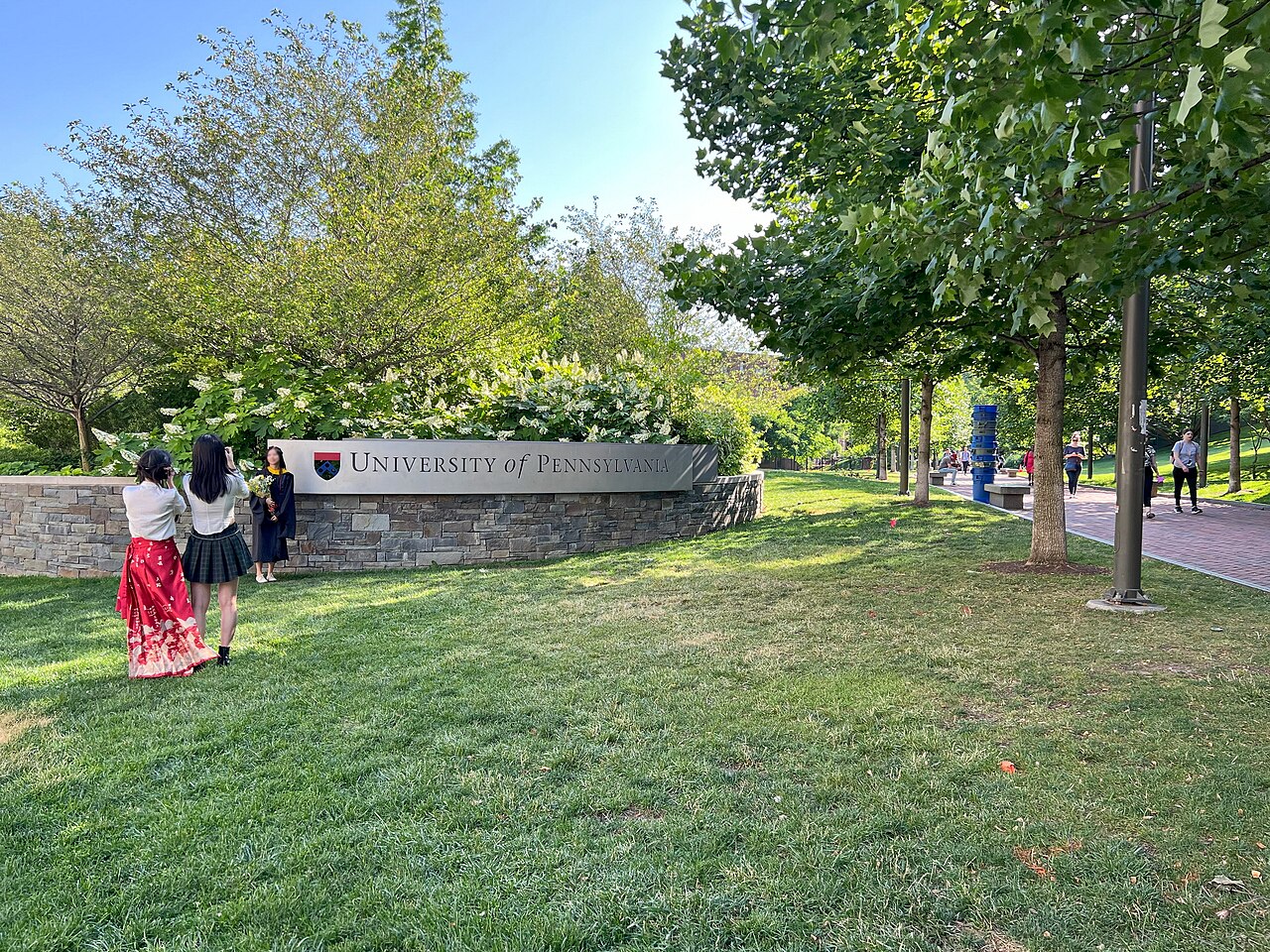
The U.S. Equal Employment Opportunity Commission (EEOC) has withdrawn its subpoena seeking the names and contact information of Jewish faculty, staff, and students at the University of Pennsylvania, ending a legal dispute that became a key part of the Trump administration’s investigation into alleged antisemitism at the Ivy League institution.
In a filing with a federal appeals court on Thursday, the EEOC said it would no longer pursue enforcement of the subpoena issued last year. As part of the agreement, the University of Pennsylvania will also dismiss its appeal of a lower court ruling that had ordered the school to comply with the agency’s request.
Despite dropping the subpoena, the EEOC emphasized that its broader investigation into Penn remains active. The agency still has the authority to continue its inquiry and could pursue future legal action if warranted.
The investigation is part of the Trump administration’s wider campaign targeting colleges and universities it says have promoted "woke" ideologies, including criticism of Israel and support for transgender rights. The administration has argued that some institutions failed to adequately address complaints of antisemitism on campus.
Penn welcomed the development, stating that it never disclosed the personal contact information requested by the EEOC. The university added that it remains committed to combating antisemitism and all forms of discrimination while protecting the privacy of its community members.
The EEOC had sued Penn after alleging the university refused to provide records related to discrimination complaints filed by Jewish employees, lists of Jewish-affiliated campus organizations, and the identities of staff connected to the Jewish Studies program. According to the agency, the information was necessary to contact employees who may have experienced antisemitic conduct and assess whether the university responded appropriately.
Penn maintained it had already supplied nearly 900 pages of documents and offered to notify affected employees about the investigation but declined to release personal contact details due to confidentiality concerns.
Earlier this year, U.S. District Judge Gerald Pappert ruled that the subpoena was relevant to the EEOC’s duty to investigate workplace discrimination claims, although enforcement of the order was later paused while the university pursued its appeal.







