


 Russian Missile and Drone Attack on Kyiv Kills Two, Damages Maternity Hospital
  Yemen Violence Displaces 130,000 as Civilian Toll Rises
  Saudi Arabia, Turkey and Pakistan Plan Urgent Defence Talks Over Houthi Attacks
  US Backs Musk in Fight Against EU’s €120 Million X Fine
  Xi Calls for Deeper U.S.-China AI Cooperation in Trump Talks
  Netanyahu’s Brief US Trip Highlights Strains With Trump
  North Korea Warns South Korea Over US-Led Defense Role
  Trump Asks Supreme Court to Restore Third-Country Deportations
  Kremlin Says No Decision Yet on Putin-Trump December Summit
  France Defends Netanyahu Airspace Clearance Despite ICC Warrant
  EU Defence Build-Up Too Slow for 2030 Russia Readiness Goal
  South Korea, US Discuss Warship Building Cooperation
  Najib Razak Seeks Stay of 15-Year 1MDB Prison Sentence
  Trump, Xi Focus on Trade and AI at White House Summit
  Netanyahu Takes Aim at Mamdani as Israel Election Nears
  Netanyahu Defends Israel at UN as Delegates Stage Walkout
  What ‘Taiwan Independence’ Means as Xi Presses Trump on US Policy


 Add as a preferred source on Google
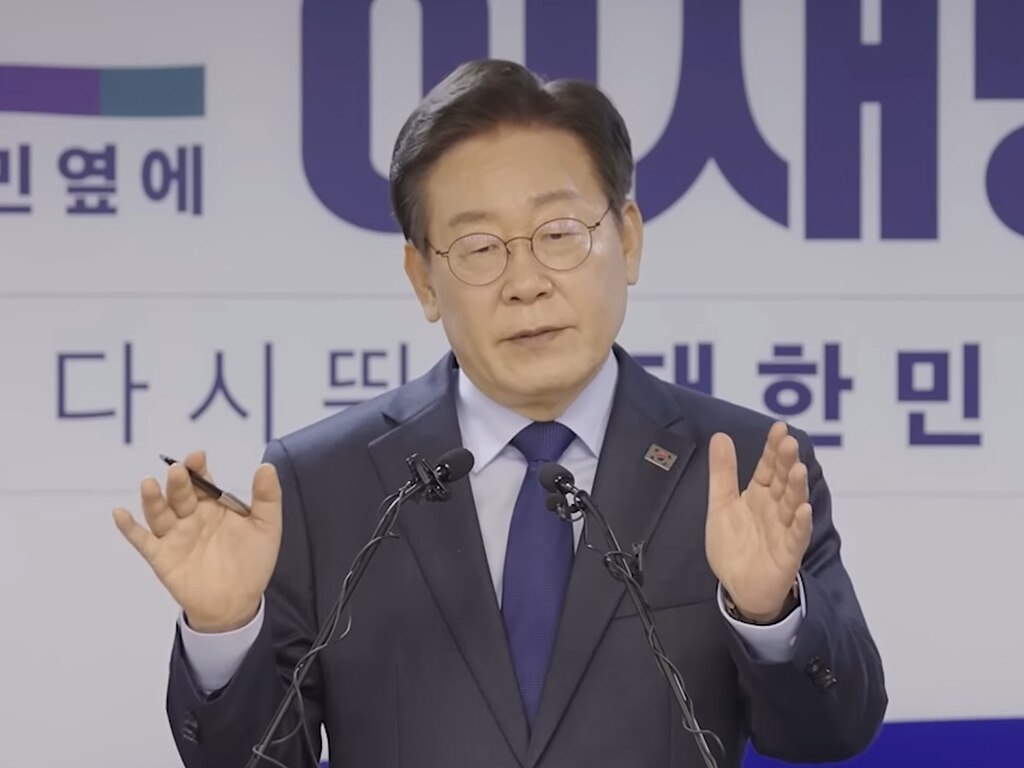
South Korean activist Lee Min-bok, known for sending anti-Kim Jong Un leaflets via balloons into North Korea, has halted operations amid fears of a government crackdown under newly elected President Lee Jae Myung. Lee’s balloon-launching equipment now sits unused as the center-left administration pushes for peace and engagement with Pyongyang. The former human rights lawyer and now president has called for harsh punishment against those who provoke North Korea, including leaflet senders.
Many activists, including North Korean defectors, have paused their missions after Lee’s election victory in June, anticipating tighter controls. Authorities are now actively monitoring border areas and invoking aviation laws to prevent launches. Lee Min-bok, under constant police watch, said he has shifted to writing government critiques online, citing fear of legal action and surveillance.
President Lee’s administration has suspended anti-North loudspeaker broadcasts and emphasized diplomacy to reduce tensions. While North Korea has responded to previous leaflets with threats and even returned its own balloons filled with trash, Kim Jong Un has recently rejected the goal of reunification, dimming prospects for reconciliation.
Over the past year, police investigated 72 leaflet-related cases, referring 13 to prosecutors. Investigations continue into 23 cases and even involve six Americans attempting to send aid-filled bottles to the North.
Activists say government calls now check if they plan to resume operations. Groups like the Abductees’ Family Union have also suspended launches following conversations with incoming officials.
Some border residents welcome the new approach, citing safety concerns. UN rights officials stress the importance of balancing national security with freedom of expression, urging the South Korean government not to impose excessive restrictions.
President Lee’s policy signals a major shift in how Seoul handles civil engagement with North Korea, aiming to ease border tensions but drawing criticism from human rights advocates.







