


 Taiwan Pushes Back on China’s World War Two Narrative After Trump-Xi Summit
  Tim Scott Blames Democrats as CLARITY Act Stalls in Senate
  China, US Extend Trade Truce Through January 10 After Trump-Xi Summit
  Rubio Warns Cuba to Change Course as US Pressure Mounts
  Swiss Voters Reject Stricter Neutrality Rules in Referendum
  China Says U.S. Shares Responsibility for AI Governance
  Russian Drone Strikes Kill Nine Across Ukraine, Hit Kyiv Science Academy
  Malaysia Begins Deportation of 1,500 Myanmar Nationals
  National Rally Secures French Senate Caucus for First Time
  UN Experts Urge US to Halt Third-Country Migrant Deportations
  Judge Blocks Trump Election Conditions on Counterterrorism Grants
  Iran Holds Firm on Hormuz Reopening Terms Despite Trump Rejection
  China Cuts Tariffs on U.S. Farm Goods but Excludes Soybeans
  Second DOJ Lawyer Exits Trump Probe
  Russian Bomb Strike on Kharkiv Injures 22, Including Children
  White House Blames Democrats as CLARITY Act Stalls
  Denmark Expects Long-Term NATO Presence in Greenland, Arctic


 Add as a preferred source on Google
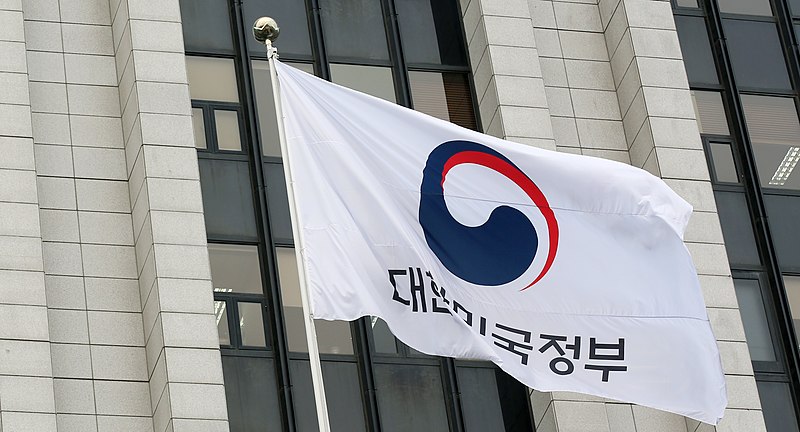
South Korea’s finance minister said the government plans to streamline public organizations. The move comes as concerns were raised regarding the efficiency following the expansion of operations under the previous administration.
In a statement after a meeting Friday last week, South Korean finance minister Choo Kyung-ho said that the government would be streamlining public organizations, citing efficiency concerns after the expansion of operations under the administration of Moon Jae-in.
The government will be cutting down the number of employees as well as the expenses of the organizations as a first step, according to Choo.
Choo said 350 public organizations are employing 449,000 people as of the end of May, with a combined liability amount of 583 trillion won or $449 billion at the end of 2021. This was an increase of 34 and 17 percent respectively in the last five years.
Choo also said that there were concerns among the public and experts regarding efficiency and profitability matching the scale of the expansion of operations in public organizations.
This comes as President Yoon Suk-yeol, who began his term in May, pledged to make reforms to the public sector. Yoon said early last month that his administration would be cutting expenditure and selling non-core assets at public enterprises. Yoon is also suffering from low approval ratings, going down to 28 percent from 32 percent last month, according to Gallup Korea.
Also, last week, Indonesia and South Korea expanded a cooperation agreement regarding the construction of a new Indonesian capital city in Borneo to replace Jakarta, allowing Korean companies to take part in building the digital infrastructure for the potential new capital.
Indonesia and South Korea signed an agreement back in 2019 to work together on the $32 billion project, where Indonesia will relocate its capital to Nusantara on Borneo island. Yoon and Indonesian President Joko Widodo made the revised agreement during the recent summit in Seoul.
Yoon told reporters in the joint news conference that the agreement would lay “the groundwork for our companies to actively contribute to building the new Indonesian capital’s infrastructure, electronic government, and smart city systems.”
Yoon added that South Korea could share its experience in building the administrative city of Sejong, which was launched in 2012.







