


 Dollar Holds Near Two-Month High as Yen Approaches 160
  Gold Prices Fall as Treasury Yields Rise on Fed Rate Hike Bets
  Asian Currencies Mixed as Dollar Holds Near Two-Month High
  Oil Prices Ease as Iran Tensions Clash With Diplomacy Hopes
  Soybean Futures Slip as Traders Await Trump-Xi Trade Signals
  Gold Holds Near $4,275 as Rising Treasury Yields Fuel Fed Rate Hike Bets
  U.S. Treasury Yields Surge as 30-Year Hits 22-Year High
  Fed Unveils Stablecoin Rules Under GENIUS Act
  Trump, Xi Focus on Trade and AI at White House Summit
  China’s ‘Lipstick King’ Says AI Won’t Replace Livestream Hosts
  U.S. Dollar Hits Two-Month High as Oil, Treasury Yields Surge
  Russian Envoy Dmitriev Heads to US for Ukraine Talks
  Japanese Bank Stocks Surge as Bond Yields Fuel Rate Hike Bets
  South Korea, US Discuss Warship Building Cooperation
  Asian Stocks Fall as Bond Yields Surge Ahead of Trump-Xi Summit
  Wall Street Falls as Treasury Yields Surge, Oil Rebounds on Iran Tensions


 Add as a preferred source on Google
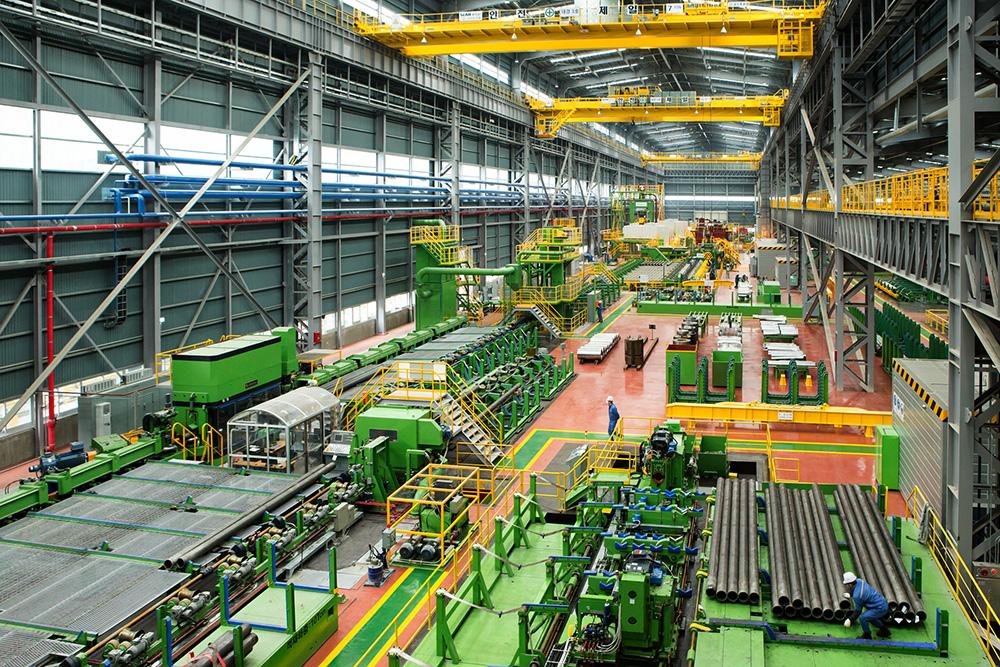
South Korea's manufacturing sector delivered a standout performance in March, with factory activity accelerating to its strongest level in over four years. Data from S&P Global's Purchasing Managers' Index showed a reading of 52.6, climbing from 51.1 in February and marking the highest point since February 2022. Any reading above 50 signals expansion, making this result a strong indicator of industrial momentum.
The surge was largely driven by booming semiconductor demand and the rollout of new product lines across key industries. Output growth reached its fastest pace since August 2024, reflecting solid gains in both production capacity and consumer-facing innovation. According to S&P Global Market Intelligence economist Usamah Bhatti, a strengthening domestic economy and fresh product launches were the primary catalysts behind the manufacturing upturn.
New orders continued to grow, though at a slightly more modest rate compared to the prior month. Global uncertainties, particularly the ongoing Middle East conflict, weighed on export order momentum, pushing overseas demand growth to a four-month low. Despite this headwind, strong buying interest from the United States and across Asian markets helped cushion the impact and kept overall order volumes in positive territory.
On the cost side, input prices climbed at the sharpest rate since June 2022. Rising global oil prices and a weakened South Korean won contributed to increased raw material costs, putting pressure on manufacturers' margins. These inflationary pressures will be a key area to watch as businesses navigate a complex global trade environment.
Overall, South Korea's March PMI data paints an encouraging picture of industrial resilience. With semiconductor exports leading the charge and domestic demand holding firm, the country's manufacturing outlook remains cautiously optimistic, even as external risks continue to pose challenges to sustained growth.







