


 US Backs Musk in Fight Against EU’s €120 Million X Fine
  Europe Warns Russia Is Escalating Hybrid Attacks Across NATO
  Trump, Xi Focus on Trade and AI at White House Summit
  US, China Extend Trade Truce to Jan. 10 Ahead of Trump-Xi Summit
  Russian Envoy Dmitriev Heads to US for Ukraine Talks
  US Officials Split Over Response to Israeli West Bank Settlements
  Mexico-US Trade Talks Delayed to October as Tariff Negotiations Continue
  Judge Orders Trump to Restore White House Access for CNN, MS NOW and Politico
  Netanyahu Takes Aim at Mamdani as Israel Election Nears
  France Defends Netanyahu Airspace Clearance Despite ICC Warrant
  Venezuela Promises Elections as Delcy Rodriguez Pledges Democratic Transition
  Kremlin Says No Decision Yet on Putin-Trump December Summit
  US Senate Rejects Iran War Powers Resolution in 50-49 Vote
  Gaza Faces Evacuation Crisis as War-Damaged Buildings Risk Collapse
  Netanyahu’s Brief US Trip Highlights Strains With Trump
  Russian Missile and Drone Attack on Kyiv Kills Two, Damages Maternity Hospital
  Trump Administration Plans Faster FDA Reviews for Smoke-Free Nicotine Products


 Add as a preferred source on Google
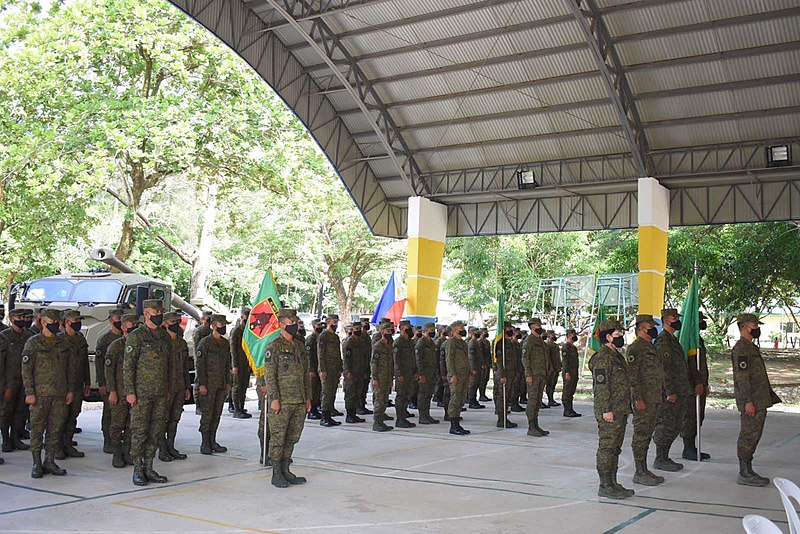
The Philippines this week announced the four additional military bases that the United States would be given access to. The additional military bases are in line with a defense agreement between Manila and Washington that advances the alliance between the two countries.
On Monday, the Philippines identified the four additional military bases in line with the expanded Enhanced Defense Cooperation Agreement, which grants US access to military bases for joint training, pre-positioning of equipment, and the building of facilities. The sites announced on Monday are the Carillo Osias navy base in Sta. Ana and Lal-lo Airport in Cagayan province, Camp Melchor Dela Crus in Gamu, Isabela, and the island of Balabac off of Palawan.
The locations of the sites are significant as Cagayan faces north towards the island nation of Taiwan, and Palawan is close to the disputed Spratly Islands in the widely contested South China Sea, which China claims control over the majority of the waterway and built artificial islands with runways and missile systems. Neighboring countries, including the Philippines, have overlapping claims to the body of water.
Philippine defense chief Carlito Galvez said the sites are “very strategic” and stressed the responsibility the Philippines has to the international community in the South China Sea.
“That’s a trade route…where more or less $3 trillion trade passes,” said Galvez. “Our responsibility to collectively secure that is huge.”
The office of Philippine President Ferdinand Marcos Jr. said the four sites should “boost the disaster response” and help in humanitarian and relief operations, with the defense of the east coast also taken into consideration. Marcos Jr. announced the decision to expand US access under the agreement back in February.
Washington has committed over $80 million worth of infrastructure in the existing five bases it has access to – the Antonio Bautista Air Base in Palawan, Basa Air Base in Pampanga, Fort Magsaysay in Nueva Ecija, Benito Ebuen Air Base in Cebu, and Lumbia Air Base in Mindanao.
On Tuesday, Malaysian Prime Minister Anwar Ibrahim said China has expressed concerns about the energy activities of Malaysian energy firm Petronas in the disputed waters and stressed that the projects are within its territory. This follows Anwar’s comments that leave the door open for negotiations with Beijing this week amidst pressure on the country’s energy operations in the South China Sea.







