


 Russian Missile and Drone Attack on Kyiv Kills Two, Damages Maternity Hospital
  Pezeshkian Says US Must Choose When Iran War Ends
  Trump, Xi Visit US National Archives After White House Summit
  NATO Boosts Intelligence Sharing Amid Russia Hybrid Threats
  Najib Razak Seeks Stay of 15-Year 1MDB Prison Sentence
  Netanyahu Defends Israel at UN as Delegates Stage Walkout
  Netanyahu Takes Aim at Mamdani as Israel Election Nears
  Mexico-US Trade Talks Delayed to October as Tariff Negotiations Continue
  Ukrainian Drone Attacks Hit Russian Regions, Injuring at Least 12
  Netanyahu’s Brief US Trip Highlights Strains With Trump
  Kremlin Says No Decision Yet on Putin-Trump December Summit
  France Defends Netanyahu Airspace Clearance Despite ICC Warrant
  Xi Calls for Deeper U.S.-China AI Cooperation in Trump Talks
  Judge Orders Trump to Restore White House Access for CNN, MS NOW and Politico
  Taiwan Thanks US for Support Ahead of Trump-Xi Summit
  Trump Asks Supreme Court to Restore Third-Country Deportations
  North Korea Warns South Korea Over US-Led Defense Role


 Add as a preferred source on Google
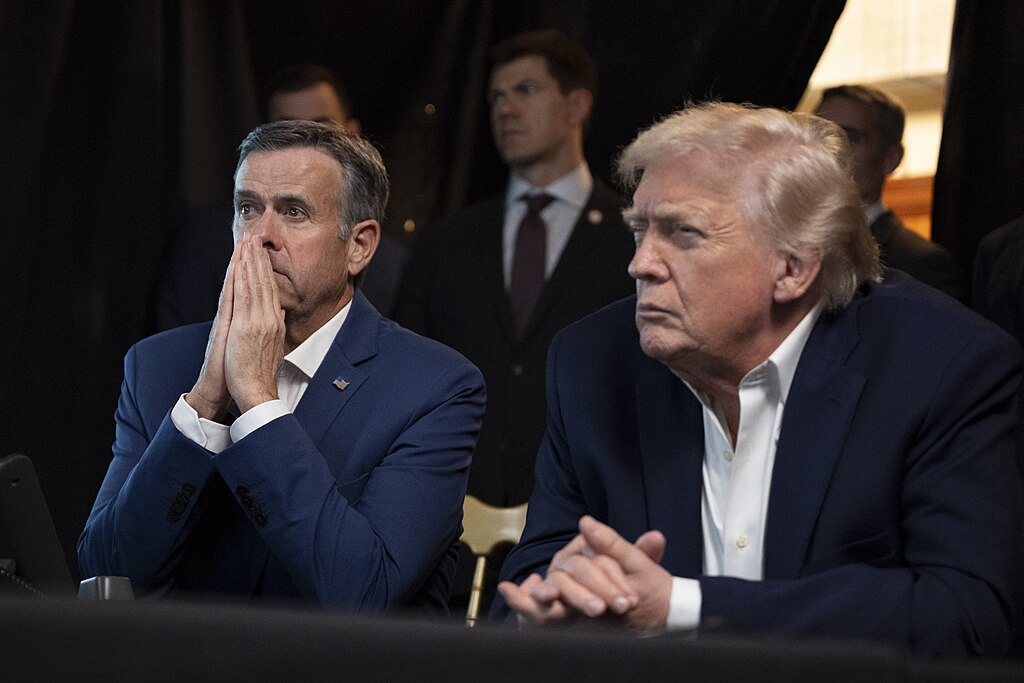
The U.S. Senate is preparing for a closely watched vote on a war powers resolution that would prevent President Donald Trump from taking further military action against Venezuela without explicit congressional authorization. Supporters of the measure believe it has a realistic chance of passing, following a narrow 49–51 vote on a similar resolution just months ago.
The vote comes days after U.S. forces captured Venezuelan President Nicolás Maduro during a high-profile military operation in Caracas. That action followed months of escalating U.S. military pressure, including attacks on Venezuelan boats off the country’s coast. Lawmakers are now questioning whether the administration misled Congress about its intentions, especially after previously stating it did not plan regime change or direct strikes on Venezuelan territory.
Republican Senator Rand Paul of Kentucky, who is co-sponsoring the resolution alongside Democratic Senator Tim Kaine of Virginia, said several Republicans who opposed the measure in the past are reconsidering their position. While Republicans hold a 53–47 majority in the Senate, even a small shift could change the outcome. Concerns about the cost, scope, and duration of U.S. involvement in Venezuela appear to be driving this reassessment.
If the Senate approves the resolution, it would mark a significant victory for lawmakers asserting Congress’s constitutional authority over war powers. However, major obstacles remain. The measure would still need approval from the Republican-controlled House of Representatives and would likely face a presidential veto, requiring a two-thirds majority in both chambers to become law.
Opponents argue that the capture of Maduro was a law enforcement operation rather than a military campaign and maintain that the president retains broad authority as commander-in-chief to conduct limited actions for national security. Supporters counter that ongoing strikes, oil seizures, and statements about U.S. control of Venezuela indicate a broader military engagement that demands congressional approval.
The upcoming vote underscores growing bipartisan tension over executive military authority and U.S. policy toward Venezuela.







