


 Mexico-US Trade Talks Delayed to October as Tariff Negotiations Continue
  Judge Orders Trump to Restore White House Access for CNN, MS NOW and Politico
  Kremlin Says No Decision Yet on Putin-Trump December Summit
  NATO Boosts Intelligence Sharing Amid Russia Hybrid Threats
  South Korea, US Discuss Warship Building Cooperation
  Pezeshkian Says US Must Choose When Iran War Ends
  Ukrainian Drone Attacks Hit Russian Regions, Injuring at Least 12
  US Backs Musk in Fight Against EU’s €120 Million X Fine
  Trump, Xi Visit US National Archives After White House Summit
  Sudan Rejects US Legitimacy Remarks, Defends Sovereignty
  Trump Asks Supreme Court to Restore Third-Country Deportations
  Abbas Reaffirms November 28 Palestinian Elections
  France Defends Netanyahu Airspace Clearance Despite ICC Warrant
  North Korea Rejects Nuclear Test Warning, Calls Nuclear Status Irreversible
  Xi Calls for Deeper U.S.-China AI Cooperation in Trump Talks
  Ghana Says Western Support Growing for Slave Trade Reparations
  Russian Missile and Drone Attack on Kyiv Kills Two, Damages Maternity Hospital


 Add as a preferred source on Google
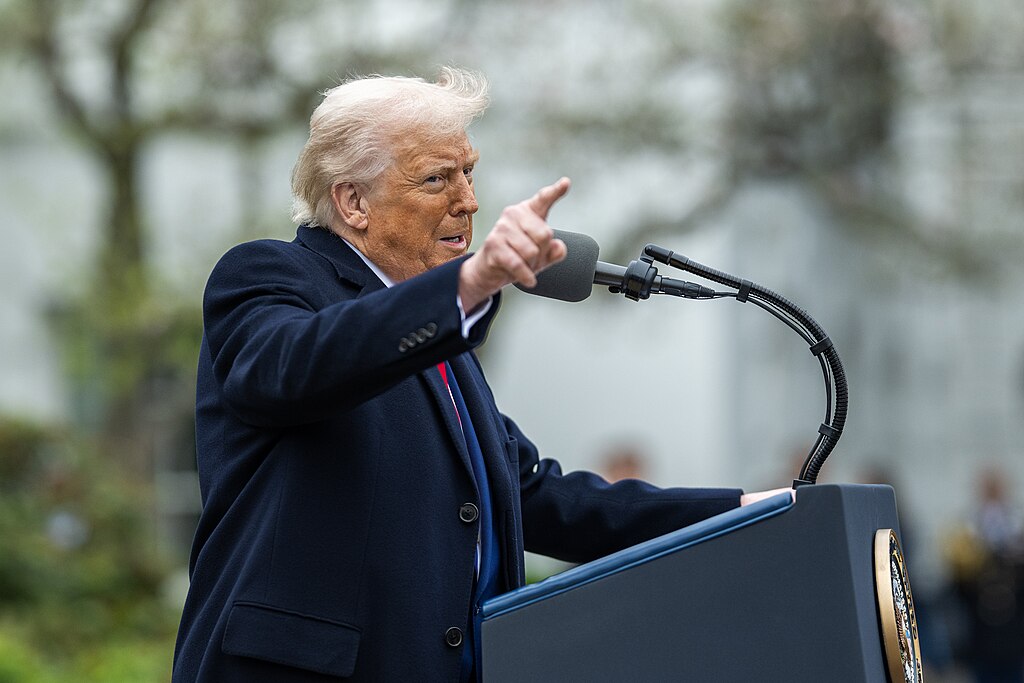
The U.S. Senate voted 49-49 on Wednesday, failing to pass a resolution aimed at reversing President Donald Trump’s sweeping tariffs. The tie vote came just hours after federal data revealed that the U.S. economy contracted for the first time in three years, underscoring the growing impact of the administration’s trade policies.
The resolution, which required a simple majority to advance, saw three Republicans break ranks with Trump to support the rollback. However, with the Senate evenly split, the measure ultimately stalled, keeping the tariffs firmly in place.
Economists have warned that the prolonged tariff regime—imposed on a wide range of goods from China and other nations—has increased costs for U.S. businesses and consumers, disrupted global supply chains, and contributed to mounting economic uncertainty. The Commerce Department’s report on Wednesday confirmed a quarterly GDP decline, citing falling exports and rising import costs linked to ongoing trade disputes.
The failed vote signals continued partisan gridlock over trade strategy, despite growing bipartisan concern over economic fallout. While supporters of the tariffs argue they protect American industries from unfair foreign competition, critics stress that they are now harming domestic growth and pushing inflation higher.
The economic contraction, paired with the Senate’s inaction, is expected to intensify pressure on lawmakers ahead of upcoming elections. Businesses and investors alike are watching closely for signs of policy shifts that could ease the strain on the economy.
The political and economic consequences of Trump’s tariffs remain at the forefront of national debate, as the U.S. grapples with trade volatility and a fragile recovery. Analysts warn that without a clear path forward, continued uncertainty could weigh heavily on future growth prospects.







