


 SpaceX Starship Test Flight Reaches New Heights but Ends in Setback
  We combed through old botanical surveys to track how plants on Australia’s islands are changing
  Is space worth the cost? Accounting experts say its value can’t be found in spreadsheets
  Neuralink Expands Brain Implant Trials with 12 Global Patients
  NASA Astronauts Wilmore and Williams Recover After Boeing Starliner Delay
  FDA Pilot Program Eases Rules for Nicotine Pouch Makers
  Trump Administration to Launch Autism Initiatives Targeting Acetaminophen Use and New Treatment Options
  Jared Isaacman Confirmed as NASA Administrator, Becomes 15th Leader of U.S. Space Agency
  Neuren Pharmaceuticals Surges on U.S. Patent Win for Rare Disorder Drug
  Lost in space: MethaneSat failed just as NZ was to take over mission control – here’s what we need to know now
  SpaceX’s Starship Completes 11th Test Flight, Paving Way for Moon and Mars Missions
  Trump Signs Executive Order to Boost AI Research in Childhood Cancer
  Fertile land for growing vegetables is at risk — but a scientific discovery could turn the tide


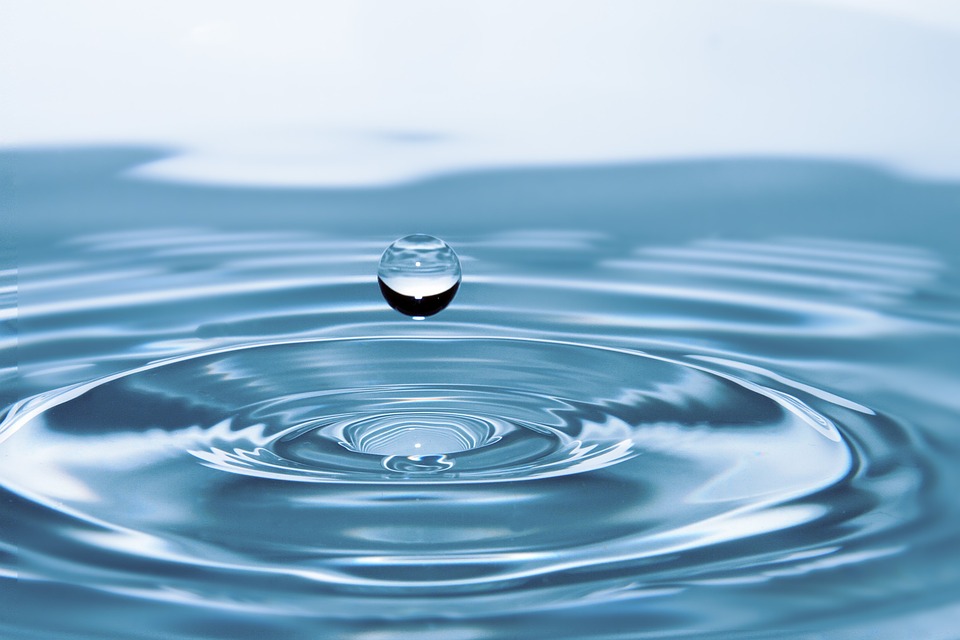
Liquid water is one of the most common compounds on the planet, with over 70 percent of the Earth’s surface covered with it. As a result, it has been tampered with, experimented on, and subjected to all kinds of tests in order to learn more about it. Recently, physicists were able to successfully wring more drops from what was previously considered a dry cloth; a second state of liquid water has been discovered.
When water is subjected to heat, landing at somewhere between 40 and 60 degrees Celsius or 104 and 140 degrees Fahrenheit, the physicists discovered that the substance goes through what’s called a “crossover” stage. The team behind the discovery was led by Laura Maestro from the University of Oxford, and in the paper they published, they declared that during the transition, liquid water essentially achieved a second state.
This state affects everything about it as well, including thermal conductivity and dielectric constant. Basically, by subjecting water to different temperatures, its properties changed. These findings could then affect everything, from biological experiments to drug manufacturing.
As Science Alert points out, water already has so many interesting points to it that people no longer consider it as weird. It has three basic states in the form of liquid, solid, and gas, and has surprising qualities as it transitions through those states.
It also comes with contradictory results when it comes to its boiling point, freezing point, surface tension, and two-state interactions. This is why scientists like Philip Ball are saying that as common as water may be, it’s still one of the most mysterious substances known to man when speaking to Nature.
"No one really understands water," Ball says. "It’s embarrassing to admit it, but the stuff that covers two-thirds of our planet is still a mystery. Worse, the more we look, the more the problems accumulate: new techniques probing deeper into the molecular architecture of liquid water are throwing up more puzzles."













