


 Blue Origin’s New Glenn Achieves Breakthrough Success With First NASA Mission
  Senate Sets December 8 Vote on Trump’s NASA Nominee Jared Isaacman
  SpaceX Starship Test Flight Reaches New Heights but Ends in Setback
  NASA Astronauts Wilmore and Williams Recover After Boeing Starliner Delay
  SpaceX’s Starship Completes 11th Test Flight, Paving Way for Moon and Mars Missions
  CDC Vaccine Review Sparks Controversy Over Thimerosal Study Citation
  Neuralink Plans High-Volume Brain Implant Production and Fully Automated Surgery by 2026
  Cogent Biosciences Soars 120% on Breakthrough Phase 3 Results for Bezuclastinib in GIST Treatment
  Neuren Pharmaceuticals Surges on U.S. Patent Win for Rare Disorder Drug
  Lost in space: MethaneSat failed just as NZ was to take over mission control – here’s what we need to know now
  Tabletop particle accelerator could transform medicine and materials science


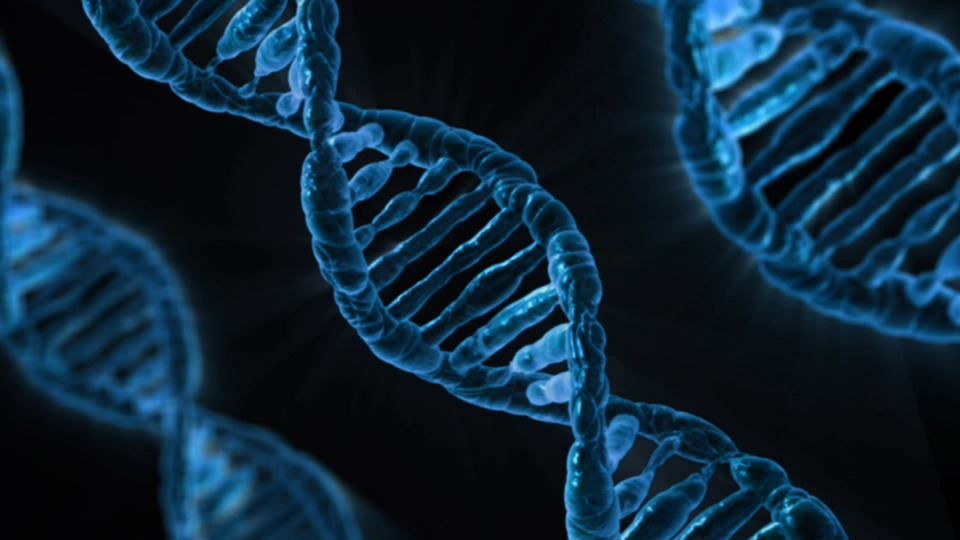
CRISPR is the most powerful gene-editing tool in existence and it has already paved the way for human mutations in its current form. Some scientists became so concerned with its use that they even created an anti-CRISPR method. However, another group of researchers thought the opposite and found a way to make it even more powerful.
A team of Western University researchers is making use of what’s called a molecular-Lego, which adds an enzyme engineered for boosting the capabilities of the CRISPR/Cas9 tool called the I-TevI, Phys.org reports. The scientists published their findings in the Proceedings of the National Academy of Sciences, detailing how they were able to increase the efficiency and precision of gene-editing.
According to David Edgell, the principal investigator of the study, one of the biggest weaknesses of the CRISPR method is its futile battle with the tenacity of DNA. Once the tool is used to make modifications by cutting strands, DNA will inevitably fix the damage because that’s what it does.
"The problem with CRISPR is that it will cut DNA, but then DNA-repair will take that cut and stick it back together," Edgell said. "That means it is regenerating the site that the CRISPR is trying to target, creating a futile cycle. The novelty of our addition is that it stops that regeneration from happening."
The researchers basically stuck I-TevI with the Cas9 enzyme, thus creating the combo called TevCas9, Seeker reports. This new combination will result in a bigger cut by the tool, which makes it harder for DNA to put itself back together. More than that, the TevCas9 tool makes it so that only the intended target gets snipped, avoiding collateral damage altogether.
Among the biggest benefits of such a technique is the elimination of DNA defects that induce diseases like Leukemia or cystic fibrosis. Of course, it can also lead to other benefits, including the complete elimination of other diseases.













