


 Eli Lilly’s Inluriyo Gains FDA Approval for Advanced Breast Cancer Treatment
  Neuralink Expands Brain Implant Trials with 12 Global Patients
  NASA Cuts Boeing Starliner Missions as SpaceX Pulls Ahead
  Astronomers have discovered another puzzling interstellar object − this third one is big, bright and fast
  SpaceX’s Starship Completes 11th Test Flight, Paving Way for Moon and Mars Missions
  FDA Lifts REMS Requirement for CAR-T Cell Cancer Therapies
  Tabletop particle accelerator could transform medicine and materials science
  Blue Origin’s New Glenn Achieves Breakthrough Success With First NASA Mission
  Trump and Merck KGaA Partner to Slash IVF Drug Costs and Expand Fertility Coverage
  Neuren Pharmaceuticals Surges on U.S. Patent Win for Rare Disorder Drug
  SpaceX Starship Test Flight Reaches New Heights but Ends in Setback


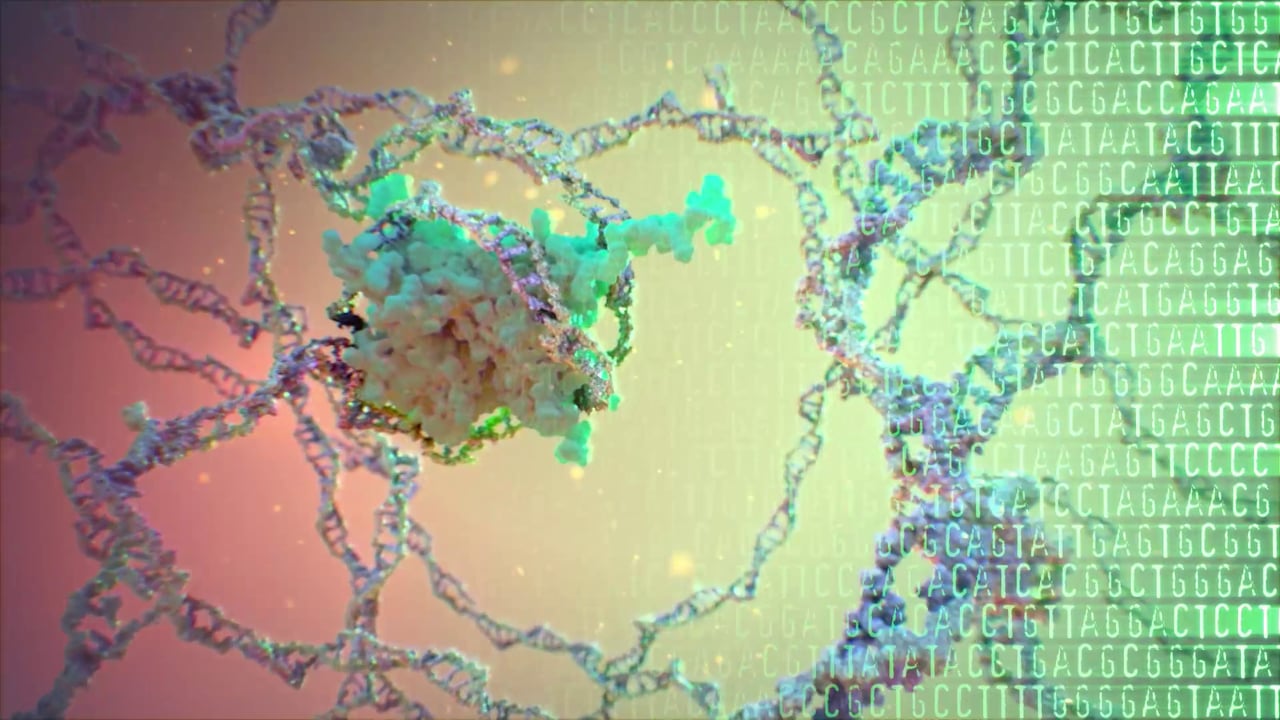
The CRISPR tool, also known as CRISPR-Cas9, is the most powerful gene-editing technique developed to date. It can modify organisms at a genetic level that has never been done before, which makes it a perfect tool for creating mutated organisms. In order to have a safeguard against unwanted mutation, scientists created a tool that can prevent CRISPR-Cas9 from making any changes to genes. In similar news, it would seem that scientists are also battling over who should be recognized as the rightful owner of the tool.
The “Anti-CRISPR” tool in question involves the use of three protein families from viruses, Phys.org reports. They were discovered by scientists from the University of Toronto, as well as the University of Massachusetts. According to UT phage biologist and bacteriologist Alan Davidson who is also the lead author of the study, this is an incredibly important development to make sure that there will be balances in place.
"Making CRISPR controllable allows you to have more layers of control on the system and to turn it on or off under certain conditions, such as where it works within a cell or at what point in time," Davidson said. "The three anti-CRISPR proteins we've isolated seem to bind to different parts of the Cas9, and there are surely more out there."
Now, while the gene-editing tool is something practically anyone can use, provided they have the skills and equipment to actually use it, the matter of ownership is still up for debate. Two of the main figures in the battle to possess the rights over CRISPR is Feng Zhang, a biologist and Jennifer Doudna, a molecular biologist.
Both parties filed for patents pertaining to CRISPR in differing times, Futurism reports, but they are now stuck in a legal battle. The scientific community is now just waiting for the US Patent and Trademark Office (USPTO) to make its decision and choose who will ultimately have the rights over CRISPR.













