


 NASA Faces Major Workforce Reduction as 20% of Employees Prepare to Leave
  FDA Adds Fatal Risk Warning to J&J and Legend Biotech’s Carvykti Cancer Therapy
  Blue Origin’s New Glenn Achieves Breakthrough Success With First NASA Mission
  Astronomers have discovered another puzzling interstellar object − this third one is big, bright and fast
  SpaceX Starship Explodes in Texas During Test, Citing Nitrogen Tank Failure
  Cogent Biosciences Soars 120% on Breakthrough Phase 3 Results for Bezuclastinib in GIST Treatment
  Trump Signs Executive Order to Boost AI Research in Childhood Cancer
  Neuren Pharmaceuticals Surges on U.S. Patent Win for Rare Disorder Drug
  Trump Administration to Launch Autism Initiatives Targeting Acetaminophen Use and New Treatment Options
  NASA Astronauts Wilmore and Williams Recover After Boeing Starliner Delay
  Neuralink Plans High-Volume Brain Implant Production and Fully Automated Surgery by 2026
  Lost in space: MethaneSat failed just as NZ was to take over mission control – here’s what we need to know now


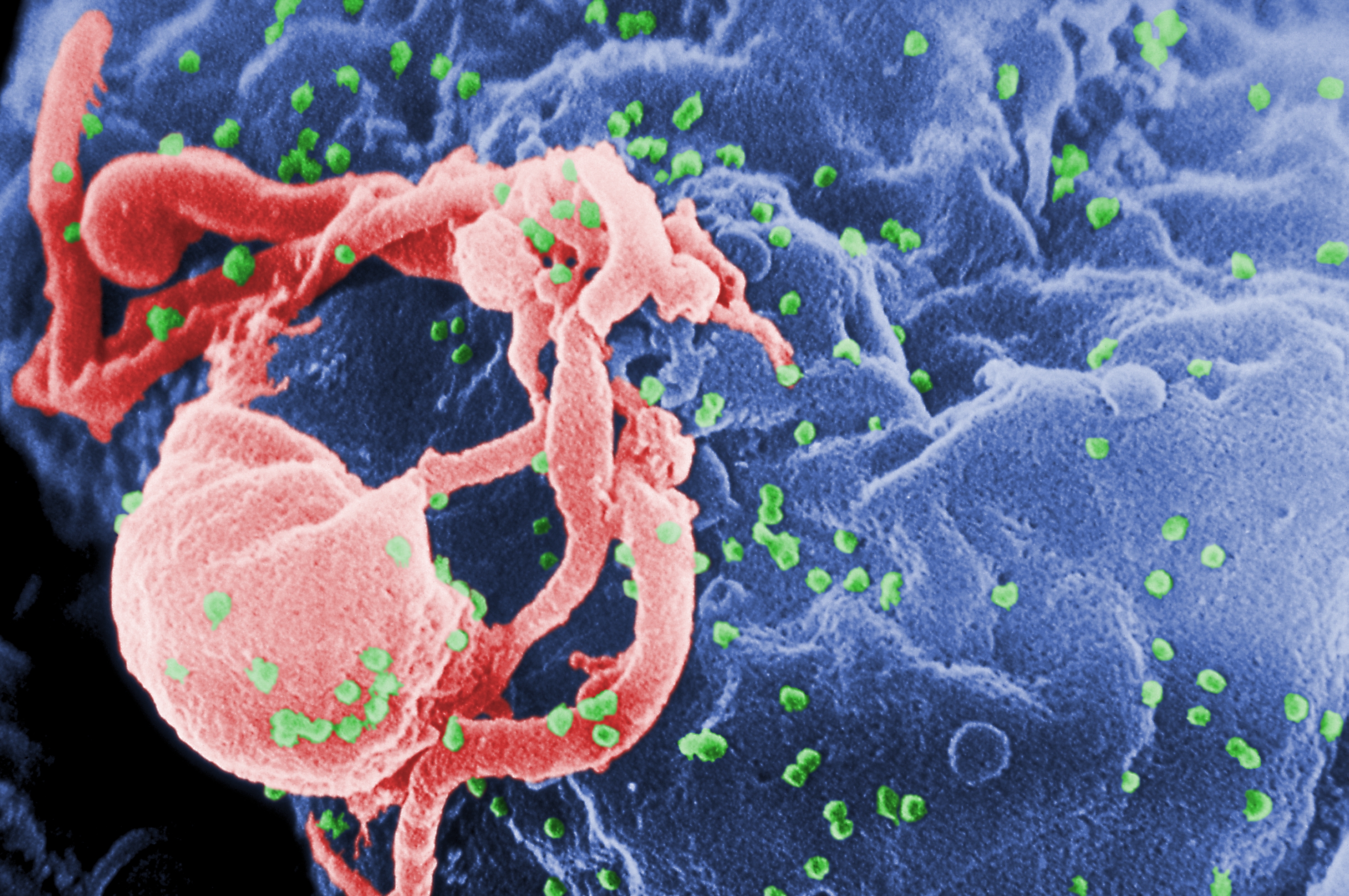
HIV is a medical issue that has been confounding scientists for years, eluding effective forms of countermeasures throughout the decades. With the advent of the gene-editing tool CRISPR, however, researchers may have finally gotten the tool they needed to put an end to the deadly pathogen. In a recent case, for example, scientists were able to raise the resistance of animals to HIV with the help of CRISPR.
One of the biggest reasons for why HIV is so hard to cure is its ability to hide, Futurism notes, which makes it difficult to create drugs that would target the viruses. Scientists have been trying for decades without much success. That’s why some Chinese researchers decided to take another approach to combating HIV. Instead of developing a drug, they simply opted to improve resistance to the virus.
Led by Hu Chen, the researchers conducted a study that looked into inducing mutations in mice via CRISPR. The goal is to make the rodents more resistant to HIV by manipulating the CCR5 gene.
The idea came from previous data collected that indicated how mutations in the gene could provide subjects with the ability to prevent getting infected by HIV. Unfortunately, only a select number of people had this mutation. By trying to see if the mutation can be controlled to apply to only that specific aspect of the gene, success could lead to complete immunity from the virus.
Based on the paper that the researchers published, the results of their work seems promising. This is largely due to the advent of CRISPR. As the researchers said in an interview with The Scientist, the gene-editing tool simply makes it too easy to manipulate cells.
It’s worth pointing out that this study only applies to increased resistance to HIV in animals and more tests are necessary to see the effects on humans. Even so, it’s an encouraging peek into the possibilities where CRISPR is concerned.













