


 Tabletop particle accelerator could transform medicine and materials science
  FDA Adds Fatal Risk Warning to J&J and Legend Biotech’s Carvykti Cancer Therapy
  Is space worth the cost? Accounting experts say its value can’t be found in spreadsheets
  NASA Resumes Cygnus XL Cargo Docking with Space Station After Software Fix
  Lost in space: MethaneSat failed just as NZ was to take over mission control – here’s what we need to know now
  SpaceX Starship Explodes in Texas During Test, Citing Nitrogen Tank Failure
  Blue Origin’s New Glenn Achieves Breakthrough Success With First NASA Mission
  NASA Astronauts Wilmore and Williams Recover After Boeing Starliner Delay
  Neuren Pharmaceuticals Surges on U.S. Patent Win for Rare Disorder Drug
  Eli Lilly’s Inluriyo Gains FDA Approval for Advanced Breast Cancer Treatment
  Astronomers have discovered another puzzling interstellar object − this third one is big, bright and fast
  Neuralink Expands Brain Implant Trials with 12 Global Patients


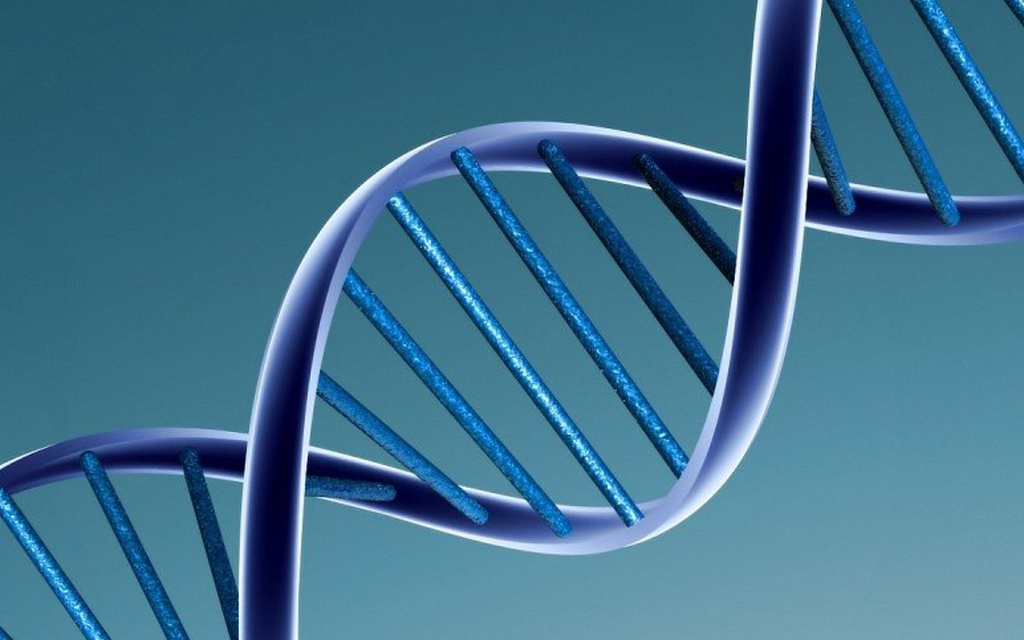
One of the biggest challenges confronting humanity right now is the impending wall that technology will eventually hit when it comes to the memory and processing capacity of computers. One of the avenues that scientists are looking into in order to solve this problem is human DNA, which has significant data storage potential. Researchers from the University of Manchester just developed a means of turning DNA into actual computers that can expand based on the type of computation it does.
Professor Ross D. King is the one who led the research and in a recent interview with Popular Mechanics, he explained just what makes their discovery so special. Aside from being made of an actual organic material, it would appear that the DNA computer in question can also have better processing power than its mechanical counterparts.
"Imagine a computer is searching a maze and comes to a choice point, one path leading left, the other right," Professor King said. "Electronic computers need to choose which path to follow first. But our new computer doesn't need to choose, for it can replicate itself and follow both paths at the same time, thus finding the answer faster."
Finite memory capacity is a good way to make a computer storage unit obsolete in this day and age. With movies, video games, software, and even messages requiring more and more memory capacity to access and enjoy fully, it’s no longer enough to be content with products that obviously have a short shelf-life.
With the new DNA computer, the organic device can be programmed in order to replicate as many times as needed to fill the memory capacity required by the users, Futurism notes. This is groundbreaking science since it could make computer memory upgrades obsolete, which will cause a huge shift in the tech industry.













