


 Pope Leo Warns UN, Multilateral Groups Face Crisis
  Colombia Extradites FARC Dissident Leader ‘Spider’ to US
  Pope Leo Backs Press Freedom After White House Media Ban
  Dollar Holds Near Two-Month High as Yen Approaches 160
  Saudi Arabia, Turkey and Pakistan Plan Urgent Defence Talks Over Houthi Attacks
  France Defends Netanyahu Airspace Clearance Despite ICC Warrant
  Gold Holds Near $4,275 as Rising Treasury Yields Fuel Fed Rate Hike Bets
  Putin Says Ukraine Peace Proposals Remain on Table
  Oil Prices Fall on U.S.-Iran Hormuz Deal Hopes
  European Stocks Fall as Bond Yields and Geopolitical Risks Weigh
  Trump, Xi Visit US National Archives After White House Summit
  US Supreme Court Revives Trump Administration Voter Citizenship Database
  Asian Currencies Mixed as Dollar Holds Near Two-Month High
  Soybean Futures Slip as Traders Await Trump-Xi Trade Signals
  Dollar Falls as Oil Eases, Yen Jumps on Intervention Signals
  Japanese Yen Rebounds as Trump Flags Currency Weakness
  RBI Uses $10 Billion Currency Swaps to Drain Excess Rupee Liquidity


 Add as a preferred source on Google
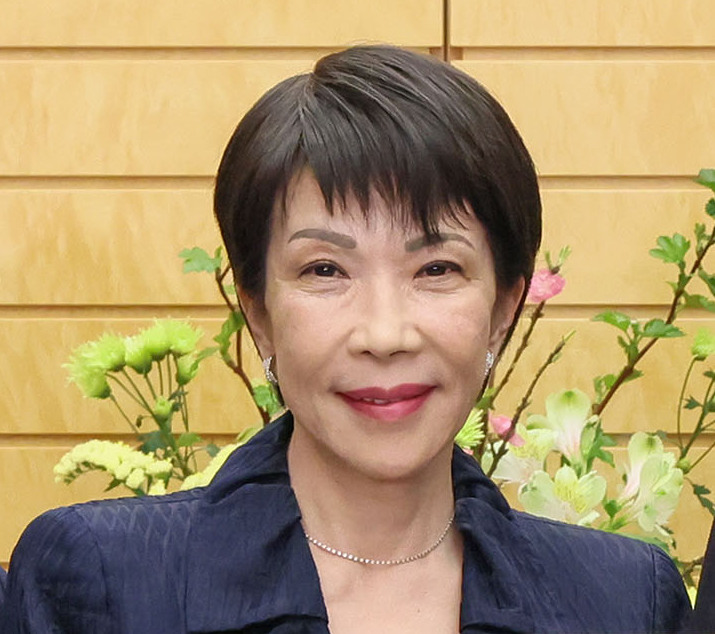
Japanese Prime Minister Sanae Takaichi’s alliance with the right-wing Japan Innovation Party (Ishin) is set to redefine Japan’s defense and foreign policy direction. The move ends the Liberal Democratic Party’s 26-year partnership with the pacifist Komeito, freeing Takaichi to advance conservative security reforms and boost military strength. However, her fragile government and lack of a parliamentary majority may hinder swift policy execution.
An admirer of Margaret Thatcher and a protégé of the late Shinzo Abe, Takaichi is determined to double Japan’s defense spending to 2% of GDP, a target aligned with U.S. strategic interests. Her agenda includes constitutional revisions, expanded arms exports, and closer defense coordination with the United States to deter regional threats—particularly from China. Ishin’s proposal for a U.S.-style nuclear-sharing arrangement also signals a potential shift in Japan’s postwar defense stance.
As Japan’s first female prime minister, Takaichi faces an immediate diplomatic test with U.S. President Donald Trump. They are expected to meet during the upcoming ASEAN summit in Malaysia and hold formal talks in Tokyo. Analysts suggest Trump may pressure Japan to further increase defense spending, potentially up to 3% or more of GDP.
Despite her ambitions, Takaichi’s limited political leverage could constrain her ability to deliver on major defense promises. Experts note that she will need to rely on opposition support to pass key bills—a dynamic that could slow Japan’s security reforms. To strengthen ties with Washington, Takaichi is preparing a package of U.S. trade deals, including purchases of Ford vehicles, soybeans, and natural gas.
While Takaichi’s assertive leadership style marks a new era in Japan’s security strategy, her ability to balance domestic politics and international expectations will determine her government’s success.







