


 Oracle Uses Trucked Natural Gas to Power AI Data Centers Amid Pipeline Delays
  Zcash Privacy Demand Rises as AI Exposes Bitcoin Transactions
  Anthropic Launches Claude Dashboards and Motion AI Tools
  Disney Expands Infinity Vision to Challenge Imax
  OpenAI Revenue Hits $50 Billion, Below Earlier $70 Billion Estimate
  Polkadot Launches dotUSD Stablecoin as DOT Price Falls
  Amazon Cuts More Jobs as AI Investment Expands
  Rising Rates Top Global Growth Risks as Wealthy Investors Favor Asia
  Intel Reaffirms Role in Elon Musk’s Terafab Chip Project
  MSTR Stock Rises as Barclays Raises Price Target to $175
  DogecoinVM Makes DOGE Transactions 300x Faster
  US Suspends Microsoft, Adobe From Green Card Program
  Apple Names Steve Smith M&A Chief in Leadership Shakeup
  Morgan Stanley Raises Coinbase Stock Price Target to $258 Ahead of Earnings
  Apple Cuts iPhone 18 Pro Production Orders Amid Weak Demand
  Elon Musk Accuses Indian Telecom Giants of Blocking Starlink Launch
  DWF Labs Sues BitGo for $114 Million Over Alleged Token Sales Breach


 Add as a preferred source on Google
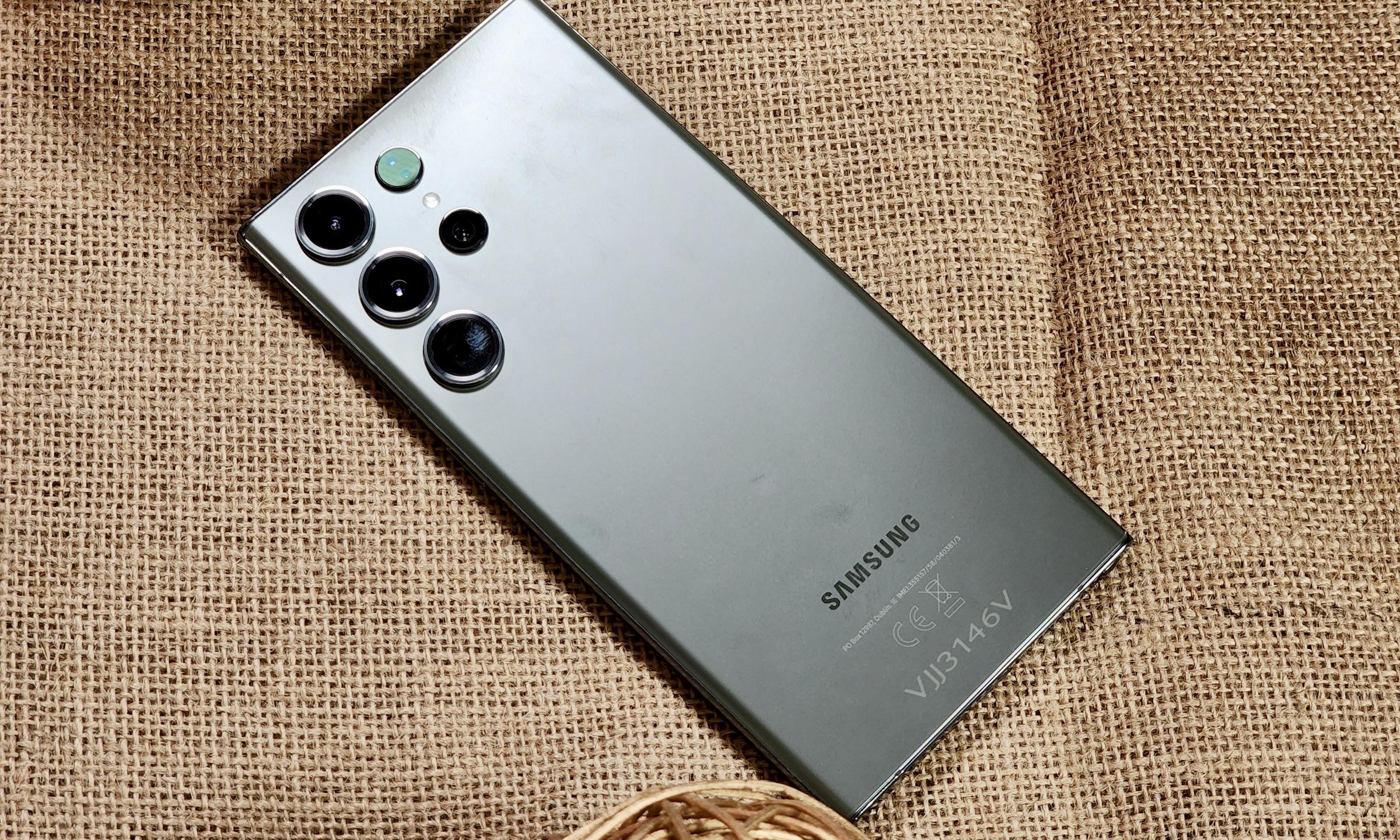
Samsung is reportedly preparing to equip the Galaxy S25 series with the Exynos 2500, a chipset that utilizes 3nm technology and may perform better than Qualcomm's Snapdragon 8 Gen 4.
For the next Galaxy S25 series, Samsung is reportedly sticking to a dual-chipset launch strategy, with some markets selling the Exynos 2500 versions and others the Snapdragon 8 Gen 4.
Samsung's Strategic Advancements with 3nm SoC Technology
Samsung is expected to step up next year and mass-produce the Exynos 2500 using its second-generation 3nm technology. This could provide the SoC with power-saving features that far outweigh Qualcomm's anticipated Snapdragon 8 Gen 4, as per Wccftech.
Exynos 2500 vs. Snapdragon 8 Gen 4: Who Leads the Race?
According to PandaFlash on X, who has previously posted that the Exynos 2500 beats the Snapdragon 8 Gen 3 in both CPU and GPU areas, is the source of the rumor.
Samsung may have tested the silicon on its second-generation 3nm process, enabling the new SoC to operate at faster clock speeds while maintaining the same power consumption level to achieve this performance. Since the Exynos 2400 also utilizes Samsung's cutting-edge "Fan-out Wafer Level Packaging," or FOWLP, we won't be shocked to learn that the Exynos 2500 does too.
To put it briefly, FOWLP lowers the package size of the chipset and boosts its heat resistance, which enables it to operate at full capacity for more extended periods and ultimately raises its multi-core score. If the claim is valid, it won't be easy to outperform the Snapdragon 8 Gen 4. However, we have already revealed that Qualcomm's flagship SoC is having problems with power consumption, which is causing phone manufacturers to use large 5,500mAh batteries to make up for this problem.
With the Exynos brand, Samsung might have a chance to improve its standing in this area, but only if it can solve the yield issue with its second-generation 3nm technology.
The Korean giant's foundry unit was previously only expected to produce a meager 20% yield for the 3nm node. Still, that percentage has dramatically increased to three times the prior figure, narrowing the gap to TSMC's advancement but still trailing far behind.
Due to the decreased yield, the Exynos 2500 will cost more since Samsung will have to pay more to build each 3nm wafer.
Fortunately, the company still has a few months before moving into mass production. It will be within a reasonable range if it can increase those yields to 65% by then. Readers need to understand that this is just another unverified rumor, and until we have solid benchmarks, any details about the Exynos 2500 should be approached with skepticism.
Photo: Evgeny Opanasenko/Unsplash







