


 Vietnam, US Trade Deal Could Be Signed Soon, To Lam Says
  US, Japan and South Korea Back Taiwan Ahead of Trump-Xi Summit
  Oil Prices Rise as U.S.-Iran Talks Fuel Diplomacy Hopes
  Japan Private-Sector Growth Slows as Domestic Demand Weakens
  US Dollar Hits Two-Month High as Fed Rate Hike Bets Rise
  Dollar Hits Two-Month High as Fed Rate Hike Bets Rise
  Oil Prices Ease as Iran Tensions Clash With Diplomacy Hopes
  US, China Extend Trade Truce to Jan. 10 Ahead of Trump-Xi Summit
  Russian Envoy Dmitriev Heads to US for Ukraine Talks
  Oil Prices Extend Losses as U.S.-Iran Talks Ease Supply Fears
  RBA Says ASX Still Falls Short on Governance and Risk Controls
  Oil Prices Surge as U.S.-Iran Diplomacy Hopes Fade
  Asian Currencies Muted as Dollar Firms Ahead of Trump-Xi Summit
  Canada Unveils Bill to Fast-Track Major Resource Projects
  Yen Weakens as Dollar Gains on Widening US-Japan Rate Gap


 Add as a preferred source on Google
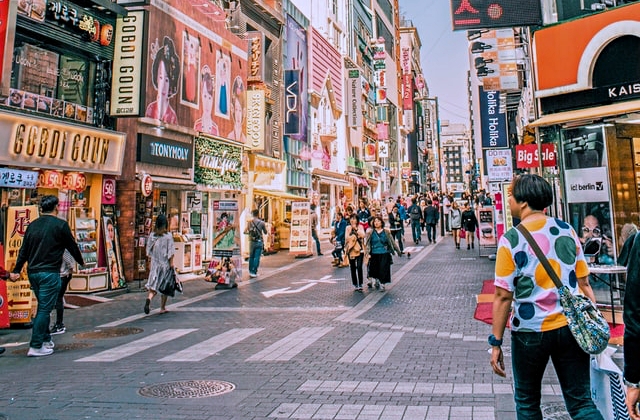
South Korea will be giving away cash as part of the government’s ₩11 trillion or around $9.4 billion COVID-19 subsidy plan. The state will be distributing the cash in this latest round of handouts to almost 90% of the Korean citizens.
As per The Korea Herald, S. Korea will also be providing other financial aid for small traders before the national Thanksgiving Day that is called Chuseok. This means that most members of the public will be receiving their subsidy money within the first two weeks of September.
The Korean government is planning to prioritize the distribution of the mentioned amount to citizens belonging to the bottom 88% income bracket. The cash will be sourced from this year’s second additional budget worth ₩34.9 trillion.
“Due to the fourth wave of COVID-19 and continued strengthening of quarantine measures, small-business owners and self-employed people are facing increasing challenges, while the consumer and business sentiment index in July and August has also been declining for two consecutive months,” Hong Nam Ki, S. Korea’s Finance Minister said in a statement.
Then again, it should be noted that the cash subsidy handout program will only be implemented if the current fourth wave of the pandemic eased off since people may go out shopping using the money they just received. It is still too risky to be on the streets as it may lead to a new wave of COVID-19 cases.
The beneficiaries of this new round of cash handouts will be chosen depending on the total household income that is calculated based on the national health insurance premiums for June. For instance, there are four members in a household, and if they paid monthly premiums of ₩342,000 or less, they are qualified for the cash subsidies.
The state’s Ministry of Economy and Finance said on Thursday, Aug. 26, that information about the handouts, such as the exact date of the program launch and where the citizens could use their subsidies. These details are set to be announced on Aug. 30, according to the ministry.
The small and medium-sized businesses that are struggling to keep going will also receive financial support, and ₩41 trillion will be offered to them before and after the holidays.
Yonhap News Agency further reported that the Korean government will also give three months extension for deferred payment of social insurance and utility bills to help people hit hard by the pandemic. The deadline for payments for some taxes will also be extended.







