


 Vietnam, US Trade Deal Could Be Signed Soon, To Lam Says
  US Northeast Airports Resume Operations After Telecom Outage Disrupts Thousands of Flights
  Paramount Skydance Faces $30 Million Film Penalty in Warner Bros. Deal
  Meta Partners With Shopify to Bring Shop Pay Checkout to Muse AI
  RBA Says ASX Still Falls Short on Governance and Risk Controls
  Nike Earnings at Risk as UBS Cuts Price Target to $42
  Anthropic’s Claude Discovers CRISPR-Like Enzyme System
  U.S. 10-Year Treasury Yield Hits 2007 High as Fed Rate Hike Bets Rise
  White House Bars CNN, MS NOW and Politico Reporters
  Telix to Acquire Germany’s ITM in $1.65 Billion Radiopharma Deal
  SpaceX Nasdaq 100 Weight to More Than Double in Rebalance
  Trump Bans CNN, MS NOW and Politico From White House
  SoftBank Raises $11.1 Billion in Bond Sale to Fund OpenAI Investment
  Oil Prices Extend Losses as U.S.-Iran Talks Ease Supply Fears
  fnny Beta Launches With a Simple Idea: Find an Event, Show Up, Get Rewarded
  Gold Prices Slip as Strong Dollar and Hawkish Fed Pressure Bullion
  Japan Private-Sector Growth Slows as Domestic Demand Weakens


 Add as a preferred source on Google
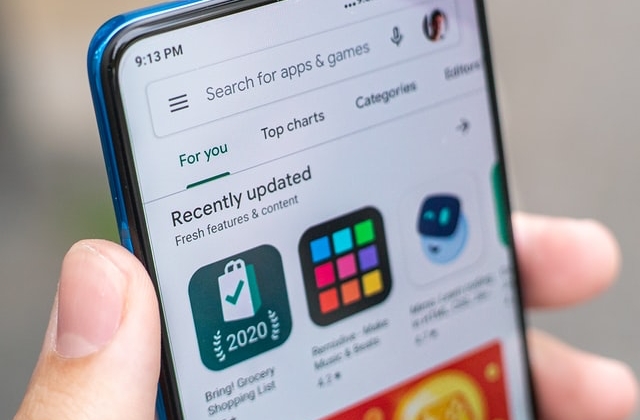
Google’s Play Store and Apple’s App Store’s in-app billing system are expected to be banned in South Korea soon as the country’s law-giving body is set to pass a bill for this. It was revealed on Wednesday, Aug. 25, that the officials will disallow the American tech companies from forcing app developers to use the payment systems on their app platforms.
As per Yonhap News Agency, the legislation and judiciary committee of the National Assembly gave the go signal for the revision of the country’s Telecommunications Business Act. The request for revision was submitted to prohibit app market operators from requiring application developers from using preferred payment systems.
It was added that an Anti-Google Law was forwarded to the highest legislature in August 2020, and this resulted from the tech firm’s announcement that it will require app developers to use Google Play’s billing system and impose a 30% commission on in-app purchases.
Once the amendment to ban the in-app billing system is approved, South Korea will become the very first nation to have such a bill that illegalizes tech company’s in-app billing policies. Earlier this year, Google lowered the commission fees to 15% for the first $1 million earnings of the developers, and Apple also cut its rate in response to the growing pressure on them.
Pulse News reported that under the revision, app market operators like Google and Apple must allow third-party payment systems on their app stores. The firms will also be prohibited from unfairly deleting apps or delaying evaluation for developers in S. Korea. This means that the developers should be given options and freely choose a payment system to use for billing transactions.
Meanwhile, it is not just South Korea that is looking into these in-app billing policies, and in fact, the regulatory commissions in Germany and the United Kingdom have also launched a probe into Apple’s in-app billing practices. Amid the scrutiny and investigations, both Google and the iPhone maker did not release statements regarding the developments, but they have previously expressed concerns over Korea's new regulations.







