


 Nvidia-Groq AI Chip Deal Faces U.S. Antitrust Probe
  Asian Stocks Fall as Bond Yields Surge Ahead of Trump-Xi Summit
  SEC Seeks ISS Client Voting Records in Proxy Adviser Probe
  US Stock Futures Rise as Meta Muse Fuels AI Rally
  OpenAI Rejects Apple Trade Secret Theft Claims
  DOJ Will Investigate AI-Related Crimes, Attorney General Blanche Says
  US Stock Futures Fall as Treasury Yields Surge Ahead of Trump-Xi Summit
  Sudan Rejects US Legitimacy Remarks, Defends Sovereignty
  Trump, Xi Focus on Trade and AI at White House Summit
  Venezuela Promises Elections as Delcy Rodriguez Pledges Democratic Transition
  Honduras Court Drops Charges Against Ex-President Juan Orlando Hernandez
  Paramount Skydance Faces $30 Million Film Penalty in Warner Bros. Deal
  US Judge Dismisses Imran Ahmed Deportation Lawsuit
  South Korea, US Discuss Warship Building Cooperation
  Judge Orders Trump to Restore White House Access for CNN, MS NOW and Politico
  Gaza Faces Evacuation Crisis as War-Damaged Buildings Risk Collapse
  Brazil Court Suspends Sigma Lithium Mine Operations


 Add as a preferred source on Google
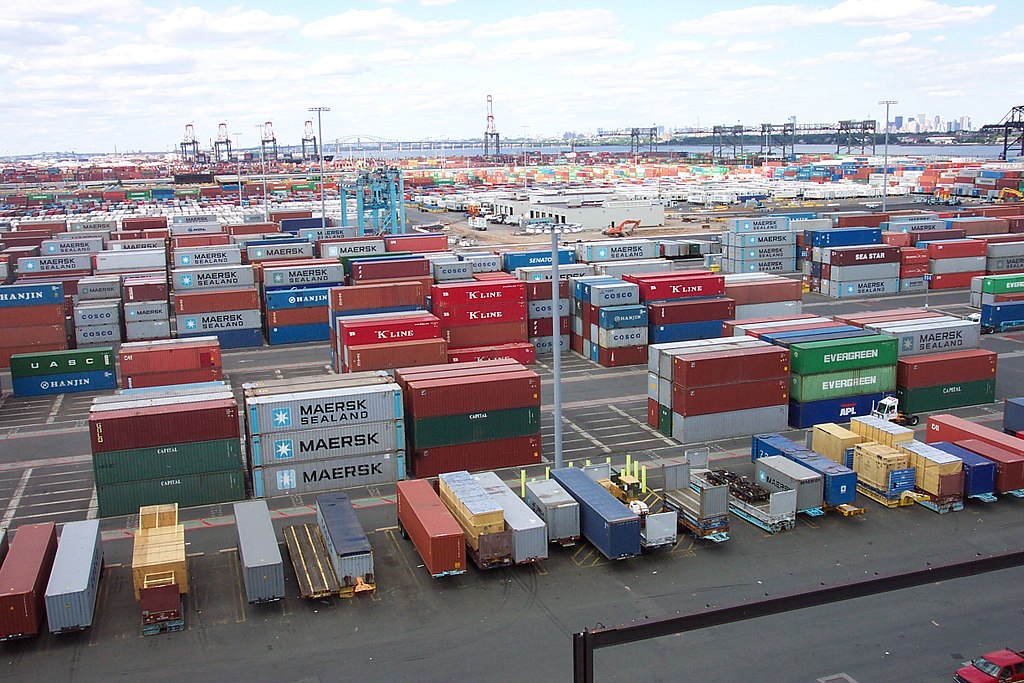
The U.S. Trade Court on Thursday ruled against President Donald Trump’s latest 10% global tariffs, stating that the broad trade measures were not legally justified under a decades-old trade law from the 1970s. The decision marks a significant setback for Trump’s aggressive trade policy agenda and could have major implications for international commerce and U.S. import regulations.
According to the court, the administration exceeded its authority by imposing across-the-board tariffs without sufficient legal grounds under the International Emergency Economic Powers Act (IEEPA). The ruling emphasized that emergency powers cannot be used to justify unlimited tariff actions on nearly all imported goods entering the United States.
The controversial tariffs were introduced as part of Trump’s broader strategy to reduce trade imbalances and pressure foreign governments on economic issues. Supporters argued the tariffs would protect American industries and strengthen domestic manufacturing. However, critics claimed the measures increased costs for businesses, disrupted supply chains, and raised prices for consumers across multiple sectors.
Trade experts say the court’s decision could reshape future presidential authority on trade restrictions and limit the use of emergency economic powers for tariff enforcement. The ruling may also provide relief for global exporters and U.S. companies heavily dependent on imported materials and products.
Financial markets and international trade partners reacted positively to the news, viewing the decision as a step toward greater stability in global trade relations. Legal analysts believe the case could eventually reach a higher court if appealed, especially given the political and economic significance of Trump-era trade policies.
The outcome highlights the growing legal scrutiny surrounding tariff policies and the balance of power between the executive branch and the courts in determining U.S. trade actions.







