


 US Waives $320M Egypt Military Aid Conditions After Iran War Role
  TSA Removes Chairs for Airport ID Check Officers
  Ukraine Deploys FP-7 Ballistic Missile in Combat for First Time
  New Zealand Election Raises Policy Uncertainty for Investors
  TRUMP Memecoin Launches New Dinner Contest
  Pentagon Launches Autonomous Warfare Command
  Marco Rubio to Visit Iceland, Greece and Portugal
  Tsai Ing-wen to Visit US for Stanford Security Conference
  Brazil Presidential Debate Canceled as Lula, Bolsonaro Skip Event
  US Appeals Court Keeps Trump IRS Case Sanctions in Place
  Lula Leads Flavio Bolsonaro 48%-45% in Datafolha Poll
  Iran Plans Stronger Response if US Attacks Resume
  Netanyahu Vows Probe Into Foiled Flydubai Crash Attempt
  Flydubai Co-Pilot Tried to Crash Israel-Bound Jet, Netanyahu Says
  Trump Praises Boeing 737 Max After Flydubai Crash Attempt
  Wicker Urges US to Uphold Taiwan Security Commitments
  Russia Warns NATO of Nuclear Response Over Kaliningrad


 Add as a preferred source on Google
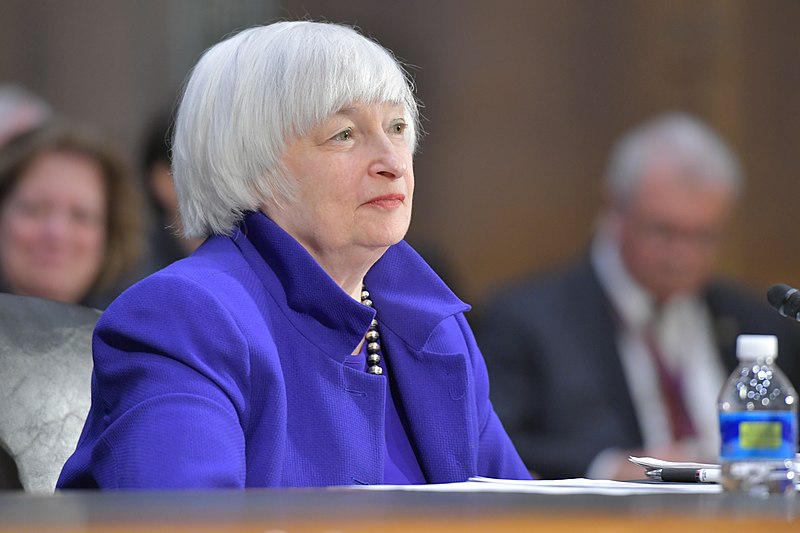
United States Treasury Secretary Janet Yellen announced a new set of sanctions on Russia as the war moves toward its ninth month. The new sanctions are targeting networks that allegedly supply military technology to Russia for its war on Ukraine.
Speaking at the sidelines of the G20 summit Monday, Yellen said the new sanctions would target 14 individuals and 28 entities. While Yellen did not disclose details surrounding the identities and locations of the alleged networks and technologies involved, Yellen said a more detailed announcement would be made later in the day.
“This is part of our larger effort to disrupt Russia’s war effort and deny equipment it needs through sanctions and export controls,” said Yellen, adding that Washington will continue to support Ukraine with financial and economic aid.
The US has already imposed several sets of sanctions on Russia in response to its invasion of Ukraine, including measures that target Russian military suppliers and US-based makers of components that Moscow uses in its military hardware.
The Biden administration has already requested congressional approval for another $4.5 billion in non-military assistance for Ukraine aside from the more than $19 billion in security aid. Yellen said that ending the war was the biggest priority for the world’s economy.
“Ending Russia’s war is a moral imperative and the single best thing we can do for the global economy,” said Yellen.
The war has led to worsening inflation and soaring prices of energy and food. Food and energy prices will be on the agenda in this week’s G20 summit in Indonesia.
On Tuesday, Indonesian President Joko Widodo called on the world to end the war and “bridge differences” amidst rifts in Russia’s war on Ukraine. Widodo acknowledged the mood in his opening remarks.
“I understand we need huge efforts to be able to sit together in this room,” said Widodo, who added that the world cannot afford to get into another cold war and that the G20 countries must work together to “end the war.” Widodo also said that the world would find it difficult to move forward if the war continued.







