


 Trump Denies China, Russia Are Helping Iran in War
  Gaza Olive Harvest Collapses as War Destroys Farmland
  US Supreme Court Denies Release of Anti-ICE Activist Kyle Wagner
  US Recalls Nicaragua Envoy After Ambassador Rejection
  Trump Plans White House Shake-Up of Key AI Safety Agency
  IMF Warns US Debt Crisis Needs Fiscal Action, Urges China to Boost Consumption
  Trump Warns Houthis Over Attacks, Considers Erdogan Intervention
  Zelenskiy Seeks New US Talks to Revive Ukraine-Russia Peace Negotiations
  US Condemns China Sanctions on Taiwan Allies Belize and Paraguay
  China Resumes US Soybean Purchases After Trump-Xi Summit
  China Warns Taiwan Over South China Sea Coast Guard Incident
  Italy’s Meloni Warns US-Russia Diesel Deal Could Weaken Ukraine Sanctions
  Kim Jong Un Showcases ICBM Ahead of Possible Trump Meeting
  MI5 Warns of Rising Iran, Russia Threats and AI Bioweapon Risks
  Flavio Bolsonaro Backs Brazil’s 40-Hour Workweek Reform Ahead of Runoff
  SpaceX Starlink Restrictions Disrupt Ukraine Military Operations
  Trump Denies Russia and China Are Helping Iran in U.S. Conflict


 Add as a preferred source on Google
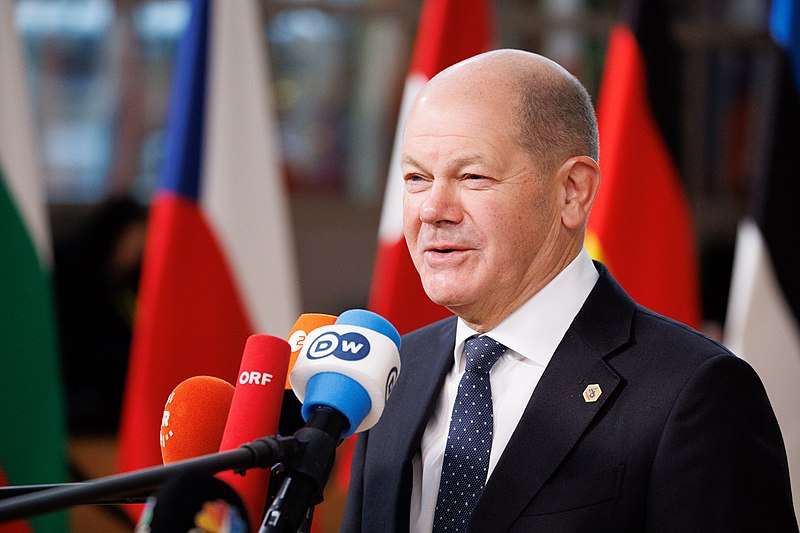
The German government has appointed a new defense minister following Christine Lambrecht’s decision to step down. The new defense minister comes at a time when Germany is under pressure to approve the use of German-made tanks in Ukraine.
Berlin appointed Boris Pistorius as the country’s new defense minister on Tuesday, succeeding Lambrecht, who resigned the day before and ahead of an upcoming conference on Friday that would take place at the US military base in Ramstein on the West’s plans to provide more weapons to Ukraine. Pistorius is expected to host his US counterpart Lloyd Austin in Berlin on Thursday.
Pistorius’ appointment also comes as Germany has shown a reluctance to approve the delivery of heavy Leopard tanks as Berlin has raised concerns that this may only lead to an escalation in the war. Other countries that have Leopard tanks also need Berlin’s approval before they can be provided to another country.
“There are important decisions to be made in the short term, in particular, the urgent question of how we continue to support Ukraine in its right to self-defense,” said German economy minister Robert Habeck of the Greens Party in a statement. “Germany bears a responsibility here and has major tasks to accomplish.”
Pistorius has served as interior minister in Lower Saxony since 2013 and, in the role, has worked with the German armed forces. In 2019, Pistorius ran for a leadership position in the Social Democratic Party and is known for his hardline stance on security issues.
“I want to make the armed forces strong for the time ahead,” said Pistorius in a statement ahead of his formal appointment as defense minister on Thursday.
Meanwhile, the Netherlands will reportedly be sending Ukraine its Patriot missile defense system, according to Dutch news outlet ANP, citing Dutch Prime Minister Mark Rutte, who is currently in the United States meeting President Joe Biden.
Citing a fireside conversation between the two leaders, Rutte apparently said they would take part in a US-German initiative to send the missile defense systems to Ukraine. Rutte also said he spoke with German Chancellor Olaf Scholz and Ukrainian President Volodymyr Zelenskyy to discuss the decision.







