


 Houthis Escalate Saudi Attacks as Red Sea Oil Risks Grow
  Banking scandal rocks Brazil’s politics and the country’s presidential election in October
  South Korea’s Cho Hyun to Meet Rubio in Washington
  China to Push Global Security Vision at Xiangshan Forum
  U.S. Imposes New Visa Restrictions Over South Africa Policies
  What is Zionism? The different meanings of a contested term
  Nvidia CEO Jensen Huang Expected at Trump-Xi State Dinner
  Houthi Red Sea Gains Strengthen Iran’s Leverage Over Gulf States
  Takaichi-Backed Koja Wins Okinawa Governor Race
  Lula, Flavio Bolsonaro Deadlocked in Brazil Election Polls
  Mahmoud Khalil Sues Columbia Over Alleged Pro-Palestinian Harassment
  UK PM Andy Burnham Set for First Trump Meeting in New York
  China’s Global Times Slams Anthropic CEO’s AI Slowdown Plan as ‘Cold War’ Strategy
  Trump Touts $5,000 Checks if Republicans Win Congress
  Saudi Arabia Raises Security Alerts as Houthi Attacks Threaten Oil Routes
  Kim Jong Un Pledges Deeper Russia Cooperation
  Sweden Election: Centre-Left Holds Narrow Lead


 Add as a preferred source on Google
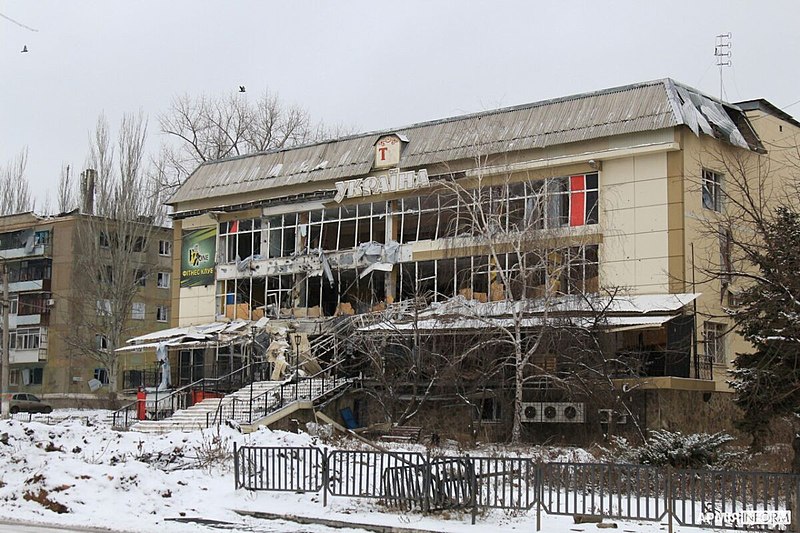
Ukrainian President Volodymyr Zelenskyy warned that a Russian capture of the key city of Bakhmut after months of fighting would mean a sign of weakness. Zelenskyy also extended an invitation for Chinese President Xi Jinping to visit Ukraine as the war continues.
Speaking to the Associated Press on Tuesday, Zelenskyy said that if Bakhmut fell to Russian forces, Russian leader Vladimir Putin would tout the victory to the rest of the world, including Russia’s allies like China and Iran. Zelenskyy also expressed concerns that the war could also be impacted by the shifting political divide in the United States.
“If he will feel some blood – smell that we are weak – he will push, push, push,” said Zelenskyy.
“The United States really understands that if they stop helping us, we will not win,” the Ukrainian leader added.
Zelenskyy also invited Xi to come visit China and said that he wants to hold talks with Xi and that he communicated with the Chinese leader only once before the war. China, which has aligned with Russia politically and economically, has since provided diplomatic cover for Putin by holding a position of neutrality in the war.
Zelenskyy’s comments follow Xi’s visit to Moscow last week, which raised the possibility that China may be ready to provide Russia with the weapons and ammunition its forces need to replenish its dwindling stockpile. However, no such announcement was made during Xi’s visit. Days after Xi’s visit, Putin also announced that Moscow would deploy tactical nuclear weapons to Belarus, pushing the Kremlin’s nuclear stockpile closer to NATO territory.
Zelenskyy noted that in the months Russian and Ukrainian forces have fought for Bakhmut, any loss by Ukrainian forces could put Kyiv’s momentum at risk. This marks the acknowledgment that losing the months-long battle for Bakhmut would be more of a political defeat than a tactical one.
On Thursday, reports from Russian media suggested the authorities in Moscow are gearing up to start a major military recruitment initiative that aimed to sign up an additional 400,000 troops, according to the British defense ministry.
“Russia is presenting the campaign as a drive for volunteer, professional personnel, rather than a new, mandatory mobilization. There is a realistic possibility that in practice this distinction will be blurred and that regional authorities will try to meet their allocated recruitment targets by coercing men to join up,” said the ministry.







