


 Trump Meets Venezuela’s Delcy Rodriguez at UN Assembly
  Sudan Rejects US Legitimacy Remarks, Defends Sovereignty
  Canada Unveils Bill to Fast-Track Major Resource Projects
  Macron, Trump Discuss Ukraine-Russia Energy Strike Moratorium
  China Tightens Fentanyl Rules Ahead of Trump-Xi Summit
  US Officials Split Over Response to Israeli West Bank Settlements
  Kremlin Says No Grounds Yet for Ukraine Peace Talks
  Venezuela Promises Elections as Delcy Rodriguez Pledges Democratic Transition
  Iran Vows ‘Crushing’ Response as US Talks Continue
  South Korea, US Discuss Warship Building Cooperation
  Marco Rubio to Meet Russia’s Lavrov in New York
  US, China Extend Trade Truce to Jan. 10 Ahead of Trump-Xi Summit
  Ghana Says Western Support Growing for Slave Trade Reparations
  Russian Envoy Dmitriev Heads to US for Ukraine Talks
  Trump to Press Xi on Release of US Nuclear Expert Held in China
  Lula and Flavio Bolsonaro Tied in Brazil Runoff Poll
  Trump Administration Plans Faster FDA Reviews for Smoke-Free Nicotine Products


 Add as a preferred source on Google
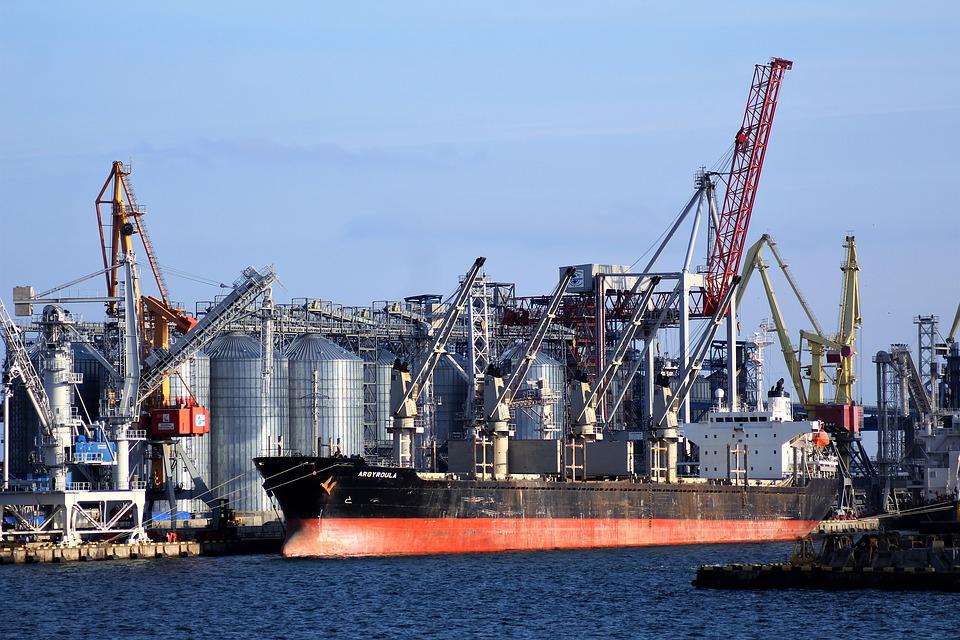
This week, the first ship carrying Ukrainian grain left the port city of Odesa. This is the first ship to set sail to transport grain as part of the deal to unblock Ukraine’s ports in the Black Sea.
Ukraine’s infrastructure minister Oleksandr Kubrakov said Monday announced that the first ship carrying grain had left Odesa five months since Russia’s invasion.
This follows a deal between Russia, Ukraine, Turkey, and the United Nations to ensure the safe export of grain from Ukraine’s Black Sea ports, which were subject to a blockade from Russian forces during the war.
“The first grain ship since #RussianAggression has left port. Thanks to the support of all our partner countries & UN we were able to fully implement the agreement signed in Istanbul,” tweeted Kubrakov.
Kubrakov issued a separate statement explaining the impact of the unblocking of Black Sea ports to allow ships carrying grain to set sail.
“Unlocking the ports will provide at least $1 billion in foreign exchange revenue for the economy and an opportunity for the agricultural sector to plan next year’s sowing season,” said Kubrakov.
“In the ports of Greater Odesa, another 16 vessels are already waiting their turn. These are the vessels that have been blocked since the beginning of Russia’s full-scale invasion.”
Kubrakov added that this would bring Ukraine a step closer to preventing world hunger.
The crew on the ship, the Sierra Leone-flagged Razoni, carrying 27,000 tons of grain bound for Lebanon, were overjoyed to be able to leave. Despite being able to leave, crew members have expressed concern about possible mines. The ship will pass through the Bosphorous Strait by Tuesday.
Syrian junior engineer Abdullah Jendi said being able to set sail for the first time in five months was “the best feeling” this year. However, Jendi expressed fears regarding the naval mines and recalled how the alarms would go off in Odesa every day, with the crew fearing that they may never return.
Russia and Ukraine make nearly one-third of global wheat exports. Moscow has denied responsibility for the food crisis that emerged since it waged war on Kyiv back in February and instead blamed the crisis on Western sanctions for the slow exports.







