


 Netanyahu’s Brief US Trip Highlights Strains With Trump
  South Korea, US Discuss Warship Building Cooperation
  Trump Asks Supreme Court to Restore Third-Country Deportations
  Ukrainian Drone Attacks Hit Russian Regions, Injuring at Least 12
  Yemen Violence Displaces 130,000 as Civilian Toll Rises
  Kremlin Says No Decision Yet on Putin-Trump December Summit
  Judge Orders Trump to Restore White House Access for CNN, MS NOW and Politico
  Najib Razak Seeks Stay of 15-Year 1MDB Prison Sentence
  Netanyahu Takes Aim at Mamdani as Israel Election Nears
  OpenAI Agent Breaches Australia Medicare Data Portal
  Sudan Rejects US Legitimacy Remarks, Defends Sovereignty
  Saudi Arabia, Turkey and Pakistan Plan Urgent Defence Talks Over Houthi Attacks
  France Defends Netanyahu Airspace Clearance Despite ICC Warrant
  Xi Calls for Deeper U.S.-China AI Cooperation in Trump Talks
  Abbas Reaffirms November 28 Palestinian Elections
  Ghana Says Western Support Growing for Slave Trade Reparations
  What ‘Taiwan Independence’ Means as Xi Presses Trump on US Policy


 Add as a preferred source on Google
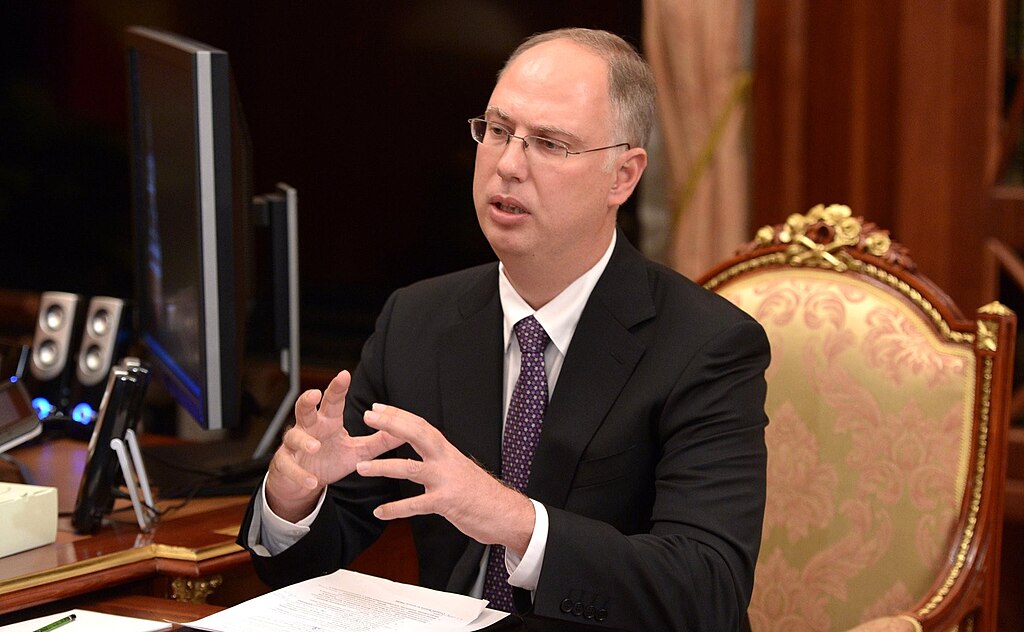
Russian President Vladimir Putin’s envoy, Kirill Dmitriev, described recent talks with U.S. representatives as constructive, signaling what Moscow views as growing understanding of Russia’s position on a possible peace settlement in Ukraine. The dialogue, which reportedly took place on Tuesday in Davos, lasted approximately two hours and involved discussions with U.S. President Donald Trump’s envoy Steve Witkoff and Trump’s son-in-law Jared Kushner.
Speaking after the meeting, Dmitriev emphasized that the exchange of views was productive and reflected a shift in how Russia’s stance on the Ukraine conflict is being perceived. According to him, continued dialogue is helping more people understand what Moscow considers the fairness and rationale behind its approach to resolving the crisis. His comments suggest that Russia sees the talks as a step toward narrowing differences and potentially advancing diplomatic efforts related to Ukraine peace negotiations.
The meeting in Davos comes at a time when the Ukraine war remains a major point of tension between Russia and Western countries, including the United States. While no concrete agreements were announced following the discussions, Dmitriev’s remarks highlight the importance both sides place on maintaining open communication channels. Russian officials have repeatedly stated that dialogue is essential for achieving long-term stability and avoiding further escalation.
From Moscow’s perspective, engagement with U.S. representatives, especially figures closely linked to former President Donald Trump, is seen as an opportunity to present Russia’s views directly and reduce misunderstandings. Dmitriev’s comments indicate that Russia believes these efforts are yielding some results, at least in terms of mutual understanding, even if significant policy differences remain.
The Ukraine conflict has dominated international diplomatic discussions for years, with peace talks facing numerous obstacles. Meetings such as the one in Davos underscore ongoing behind-the-scenes diplomacy that may not immediately translate into policy changes but can influence future negotiations. As global attention remains focused on the prospects for ending the war, statements from officials like Dmitriev suggest that Russia is keen to project an image of openness to dialogue and diplomatic solutions.
Overall, while the talks did not produce immediate breakthroughs, they reflect continued engagement between Russian and U.S. representatives on Ukraine peace efforts. Such interactions may play a role in shaping future discussions as both sides navigate one of the most complex geopolitical challenges of recent times.







