


 Houthi Attack on Yemen’s Mocha Port Kills Seven, Injures 30
  Russian Strikes Kill Six in Eastern and Northern Ukraine, Dozens Injured
  Taiwan President Lai Oversees Coastal Strike Drills in Han Kuang War Games
  Trump Faces Tough Choices as Iran War Drags On
  Mark Carney Jokes About Teleprompter, Takes Swipe at Trump
  Trump Unveils $3 Billion U.S. Critical Minerals Push
  US-Backed Venezuela Government, Opposition Talks Begin
  North Korea May Deploy 120 Missiles to Russia
  Bezalel Smotrich Faces Election Battle as Israel’s Far-Right Vote Fractures
  Trump Administration Plans $1 Billion Security Aid Package for Colombia
  Abdul El-Sayed Wins Michigan Democratic Senate Primary, Sets Up Key Midterm Showdown
  Iran-Oman Hormuz Shipping Deal Nears Final Stage
  Taiwan Tests Penghu Defense, Mobile Internet Limits in War Drills
  Germany Warns of Daily Hybrid Warfare Threats
  Joe Biden’s Prostate Cancer Has Spread Further, Hunter Biden Says
  Ukraine Agrees to Protect Kazakhstan Oil Exports via Black Sea


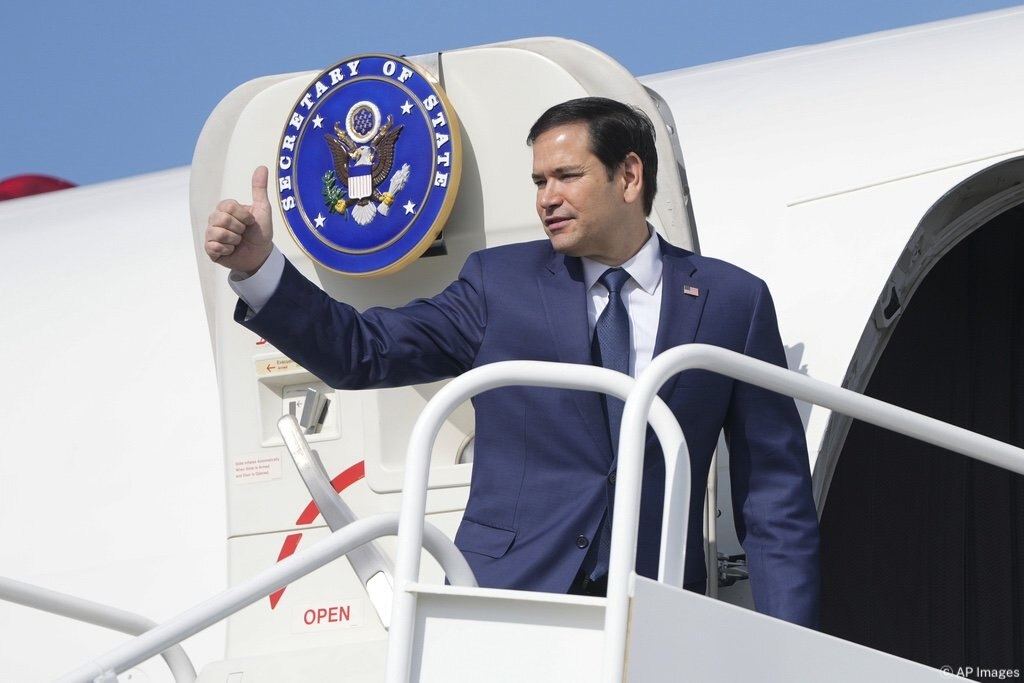
U.S. Secretary of State Marco Rubio will visit the United Arab Emirates, Kuwait, and Bahrain from Tuesday through Thursday as the Trump administration seeks to strengthen support for its preliminary agreement with Iran among key Gulf allies.
During his trip, Rubio is expected to hold discussions with regional leaders and attend a meeting with the Gulf Cooperation Council (GCC) in Bahrain. The GCC includes Bahrain, Saudi Arabia, Qatar, Kuwait, the United Arab Emirates, and Oman. The talks come at a critical time as Gulf states closely assess the implications of the recently signed U.S.-Iran memorandum of understanding (MoU).
Although GCC members have generally welcomed efforts to reduce tensions and end the recent U.S.-Israeli conflict involving Iran, concerns remain about several elements of the agreement. Regional officials are particularly uneasy about reports of a proposed $300 billion reconstruction fund for Iran. Gulf governments fear the funds could help Tehran rebuild military capabilities and continue supporting proxy groups across the Middle East.
Another major concern is the MoU’s lack of provisions addressing Iran’s ballistic missile program. Gulf nations have faced repeated missile and drone threats in recent years and are seeking stronger guarantees regarding regional security.
The visit highlights the strategic importance of U.S.-Gulf relations. Bahrain, Saudi Arabia, Kuwait, Qatar, and the UAE host key American military facilities that form the foundation of Washington’s security presence in the Middle East. Any shift in those partnerships could influence U.S. military operations and regional defense planning.
Rubio’s trip coincides with intensified diplomatic efforts surrounding Iran. President Donald Trump signed the Iran MoU last week during a visit by French President Emmanuel Macron in Versailles, launching a 60-day timeline for negotiations toward a broader agreement. Meanwhile, U.S. negotiators led by Vice President JD Vance participated in talks in Switzerland over the weekend, with mediation from Qatar and Pakistan. Technical discussions are expected to continue throughout the week.
According to State Department spokesperson Tommy Pigott, Rubio will discuss the Iran agreement, maritime security, freedom of navigation through the Strait of Hormuz, and broader efforts to promote peace and stability across the region.







