


 US Backs Musk in Fight Against EU’s €120 Million X Fine
  Najib Razak Seeks Stay of 15-Year 1MDB Prison Sentence
  NATO Boosts Intelligence Sharing Amid Russia Hybrid Threats
  Xi Calls for Deeper U.S.-China AI Cooperation in Trump Talks
  Trump, Xi Visit US National Archives After White House Summit
  Saudi Arabia Seeks Military Support as Houthi Attacks Escalate
  France Defends Netanyahu Airspace Clearance Despite ICC Warrant
  Trump Asks Supreme Court to Restore Third-Country Deportations
  Saudi Arabia, Turkey and Pakistan Plan Urgent Defence Talks Over Houthi Attacks
  US Supreme Court Revives Trump Administration Voter Citizenship Database
  US Comfortable With Canada Trade Standoff as Import Bans Loom
  EU Agrees €6.6 Billion Military Aid Funding for Ukraine
  Netanyahu Defends Israel at UN as Delegates Stage Walkout
  Pope Leo Warns UN, Multilateral Groups Face Crisis
  Yemen Violence Displaces 130,000 as Civilian Toll Rises
  Ukrainian Drone Attacks Hit Russian Regions, Injuring at Least 12


 Add as a preferred source on Google
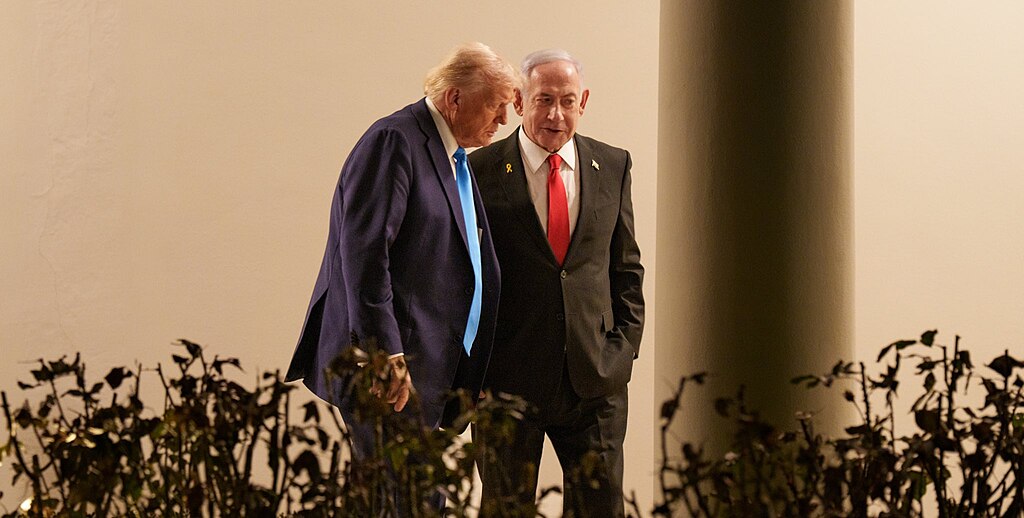
A political rift is widening within Israeli Prime Minister Benjamin Netanyahu’s far-right coalition as pressure mounts to end the war in Gaza. U.S. President Donald Trump’s 20-point plan—aimed at demilitarizing Gaza and sidelining Hamas—has triggered fierce backlash from Netanyahu’s ultra-nationalist allies, threatening the stability of Israel’s most right-wing government in history.
Netanyahu has publicly backed Trump’s proposal, which excludes Hamas from future governance but allows its members to remain if they renounce violence and disarm. Hamas has partially accepted the plan, agreeing to negotiate the release of hostages and participate in shaping Gaza’s political future. However, far-right ministers Itamar Ben-Gvir and Bezalel Smotrich condemned any scenario that could “revive” Hamas, calling it a betrayal of Israel’s war objectives. Both leaders warned they would withdraw from the coalition, potentially triggering early elections ahead of the scheduled October 2026 vote.
The internal discord comes as Israel faces growing domestic and international pressure. Continuing military operations risk alienating the Israeli public, especially families of hostages, and could hinder prospects for normalization with Arab nations such as Saudi Arabia and Indonesia under the Abraham Accords. Trump has urged Israel to halt its bombardment to facilitate negotiations, but Smotrich labeled such a pause a “grave mistake,” arguing it would weaken Israel’s strategic position.
While Netanyahu insists the plan aligns with Israel’s security goals, critics say it lacks clear timelines for Hamas’s disarmament and ambiguously references Palestinian statehood—issues that could further inflame his coalition partners. Pollster Mitchell Barak predicts the government is nearing collapse, though not immediately, as opposition leader Yair Lapid has offered conditional support to ensure Trump’s plan proceeds without empowering what he called Netanyahu’s “extremist partners.”







