


 North Korea Rejects Nuclear Test Warning, Calls Nuclear Status Irreversible
  China’s ‘Lipstick King’ Says AI Won’t Replace Livestream Hosts
  Trump, Xi Visit US National Archives After White House Summit
  What ‘Taiwan Independence’ Means as Xi Presses Trump on US Policy
  Yemen Violence Displaces 130,000 as Civilian Toll Rises
  Japanese Bank Stocks Surge as Bond Yields Fuel Rate Hike Bets
  U.S. Dollar Hits Two-Month High as Oil, Treasury Yields Surge
  Netanyahu’s Brief US Trip Highlights Strains With Trump
  Trump, Xi Focus on Trade and AI at White House Summit
  Gold Prices Fall as Treasury Yields Rise on Fed Rate Hike Bets
  Judge Orders Trump to Restore White House Access for CNN, MS NOW and Politico
  Xi Calls for Deeper U.S.-China AI Cooperation in Trump Talks
  Wall Street Ends Flat as Oil, Treasury Yields and Fed Jitters Rattle Markets
  Japan Private-Sector Growth Slows as Domestic Demand Weakens
  France Defends Netanyahu Airspace Clearance Despite ICC Warrant
  Ghana Says Western Support Growing for Slave Trade Reparations
  South Korea, US Discuss Warship Building Cooperation


 Add as a preferred source on Google
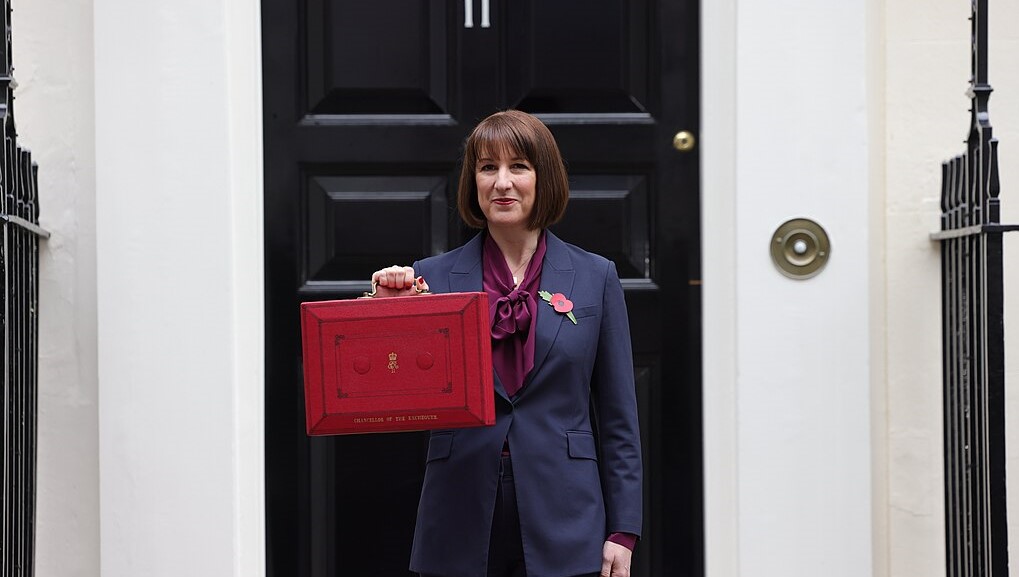
UK Chancellor Rachel Reeves has pushed back strongly against accusations that she misled the British public in the weeks leading up to the autumn statement, following scrutiny over a pre-budget speech she delivered on November 4. Her comments came during a weekend interview with Sky News, where she dismissed suggestions that her communication strategy was dishonest or intentionally vague.
Reeves’ November 4 speech drew attention not only because it came unusually early for a chancellor but also because she used it to rally public support for the government’s forthcoming budget plans. What has fueled questions since, however, is her choice not to restate Labour’s manifesto pledge ruling out broad-based tax increases. The omission has led to speculation that the government may be preparing the ground for more significant fiscal measures than previously signaled.
Critics argue that failing to reiterate that promise represents a shift in messaging and leaves room for policy adjustments that voters may not have anticipated. Some opposition figures and commentators suggested that this change in tone could indicate potential changes to tax policy, prompting accusations that Reeves was not being fully transparent.
Reeves forcefully rejected these claims, stating that she has been consistent and truthful in outlining the economic challenges facing the UK. She emphasized that the government’s priority remains economic stability and responsible fiscal management, especially at a time when the country continues to grapple with inflationary pressures and sluggish growth. According to Reeves, the purpose of her pre-budget speech was to prepare the public for realistic decision-making, not to signal hidden tax rises or contradict campaign commitments.
She added that the government remains committed to delivering a balanced approach that protects working families while supporting long-term economic recovery. Despite her reassurances, debates about the government’s fiscal intentions are expected to continue, as analysts and political observers closely watch the details of the upcoming autumn statement.







