


 Trump to Press Xi on Release of US Nuclear Expert Held in China
  Russian Strikes Kill Eight Across Ukraine as Energy Sites Hit
  Zelenskiy Meets CIA Chief John Ratcliffe at Ireland’s Shannon Airport
  Taiwan Vows to Advance US Arms Sales Ahead of Trump-Xi Meeting
  UK, Mauritius Seek Diego Garcia Base Deal
  Trump Says ‘Freedom’ Is Coming to Cuba
  Lula Meets Mamdani in New York as Elections Approach
  Trump Says U.S.-Iran Peace Deal Near After UN Talks
  US, Japan and South Korea Back Taiwan Ahead of Trump-Xi Summit
  Trump Meets Venezuela’s Delcy Rodriguez at UN Assembly
  Vietnam, US Trade Deal Could Be Signed Soon, To Lam Says
  China Tightens Fentanyl Rules Ahead of Trump-Xi Summit
  Carney Condemns Belleville Synagogue Shooting That Wounded Police Officer
  Trump Scales Back Endangered Species Act Protections
  Lula and Flavio Bolsonaro Tied in Brazil Runoff Poll
  Kremlin Says No Grounds Yet for Ukraine Peace Talks
  Trump Board of Peace Unveils $2.45 Billion Gaza Recovery Plan


 Add as a preferred source on Google
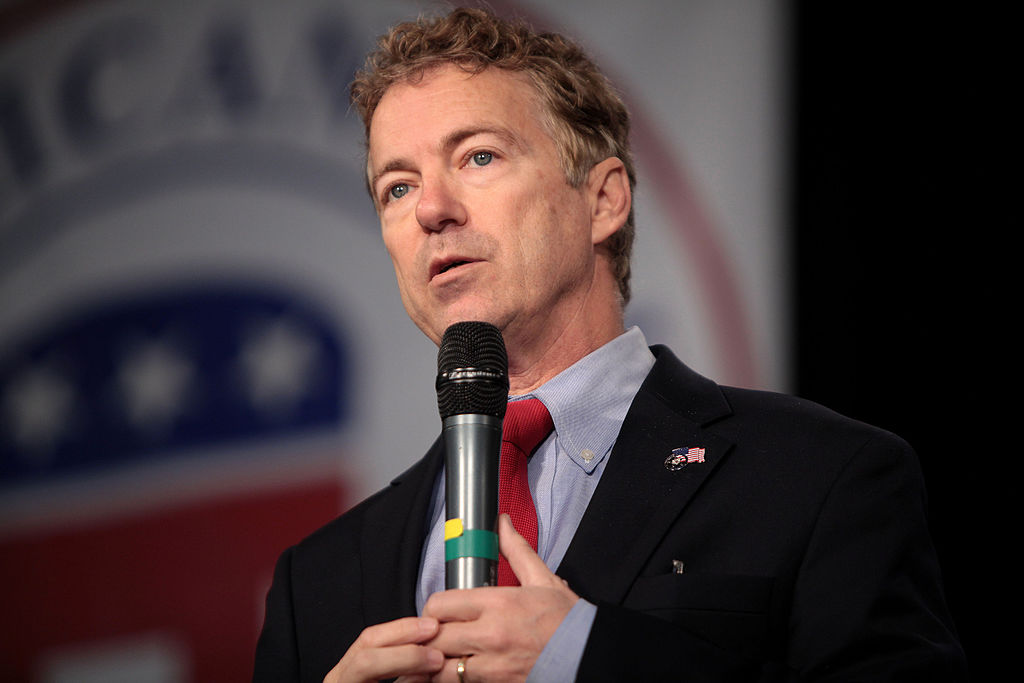
Senator Rand Paul’s remarks have ignited a heated debate after suggesting that Denver Mayor Michael Hancock could face removal from office if he resists the Trump administration's deportation policies. Paul’s statement, delivered during a media appearance over the weekend, underscores the tension between federal immigration enforcement and local government autonomy.
A Clash of Policies
Denver, like many major U.S. cities, operates as a sanctuary city—a designation that limits cooperation with federal immigration authorities. Mayor Hancock has been a vocal advocate of protecting undocumented immigrants and has previously resisted federal efforts to enforce mass deportations within the city.
Paul’s comments come as President-elect Donald Trump signals plans to ramp up immigration enforcement during his second term. Trump’s administration has pledged to target sanctuary cities with federal sanctions and increased Immigration and Customs Enforcement (ICE) operations.
The Controversial Statement
While Paul did not elaborate on the mechanism by which Hancock might be removed, his statement has sparked questions about the federal government’s authority over locally elected officials. Legal experts argue that removing a mayor for opposing federal policy would require significant legal justification and is unlikely to succeed under current constitutional protections.
Paul’s comments have drawn widespread criticism, with opponents accusing him of undermining local governance and constitutional checks and balances. Supporters, however, argue that sanctuary city policies violate federal law and need to be challenged.
Denver’s Response
Mayor Hancock responded to Paul’s remarks by reaffirming Denver’s commitment to its sanctuary policies. “Our city will continue to stand for fairness and justice,” Hancock stated in a press release. “We are not in the business of breaking families apart.”
Hancock’s office has also pointed out that Denver has maintained a cooperative relationship with federal agencies on criminal matters unrelated to immigration, emphasizing that the city’s policies are designed to build trust between law enforcement and immigrant communities.
Legal Challenges Ahead
The legal landscape surrounding sanctuary cities remains complex. While federal courts have previously blocked Trump administration attempts to withhold funding from sanctuary jurisdictions, legal experts warn that new legislative efforts could reignite the battle.
“Federal overreach in local governance has always been a contentious issue,” said Professor Mark Benton, a constitutional law expert. “Any attempt to remove an elected official for opposing federal policy would face significant constitutional challenges.”
Public Reactions on Social Media
Paul’s remarks have sparked a wave of reactions on social media, with netizens offering divided opinions:
- @MileHighJustice: “Rand Paul has no right to threaten our mayor. Denver stands strong for immigrant rights!”
- @BuildTheWall2024: “Sanctuary cities are breaking federal laws. Rand Paul is 100% right to call this out.”
- @LegalExpertJo: “Federal threats to remove elected officials are unconstitutional. This is political theater at its worst.”
- @ImmigrantVoicesCO: “Denver is a safe haven for many. We support Mayor Hancock against these baseless attacks.”
- @ConstitutionalWatcher: “Rand Paul’s overreach is dangerous for democracy. Local leaders are not federal puppets.”
- @TruePatriot90: “Finally someone is standing up to these sanctuary cities undermining law and order.”
What’s Next?
As Trump’s administration gears up for its second term, sanctuary cities like Denver are bracing for intensified legal and political battles. Paul’s statement has highlighted the growing divide between federal immigration enforcement priorities and local government policies.
While the likelihood of removing Mayor Hancock remains slim, the controversy underscores the broader conflict over immigration policy, a key issue that will likely dominate headlines in the years ahead.







