


 Trump Asks Supreme Court to Restore Third-Country Deportations
  NATO Boosts Intelligence Sharing Amid Russia Hybrid Threats
  Trump, Xi Focus on Trade and AI at White House Summit
  Colombia Extradites FARC Dissident Leader ‘Spider’ to US
  North Korea Rejects Nuclear Test Warning, Calls Nuclear Status Irreversible
  France Defends Netanyahu Airspace Clearance Despite ICC Warrant
  Trump, Xi Visit US National Archives After White House Summit
  Evan Gershkovich Says FSB Set Trap for 2023 Russia Arrest
  Yemen Violence Displaces 130,000 as Civilian Toll Rises
  Iran Rejects Nuclear Concessions in Hormuz Deal
  Saudi Arabia, Turkey and Pakistan Plan Urgent Defence Talks Over Houthi Attacks
  EU Agrees €6.6 Billion Military Aid Funding for Ukraine
  Trump Warns China Against Supporting Iran in Xi Talks
  What ‘Taiwan Independence’ Means as Xi Presses Trump on US Policy
  US Supreme Court Revives Trump Administration Voter Citizenship Database
  Pope Leo Warns UN, Multilateral Groups Face Crisis
  Abbas Reaffirms November 28 Palestinian Elections


 Add as a preferred source on Google
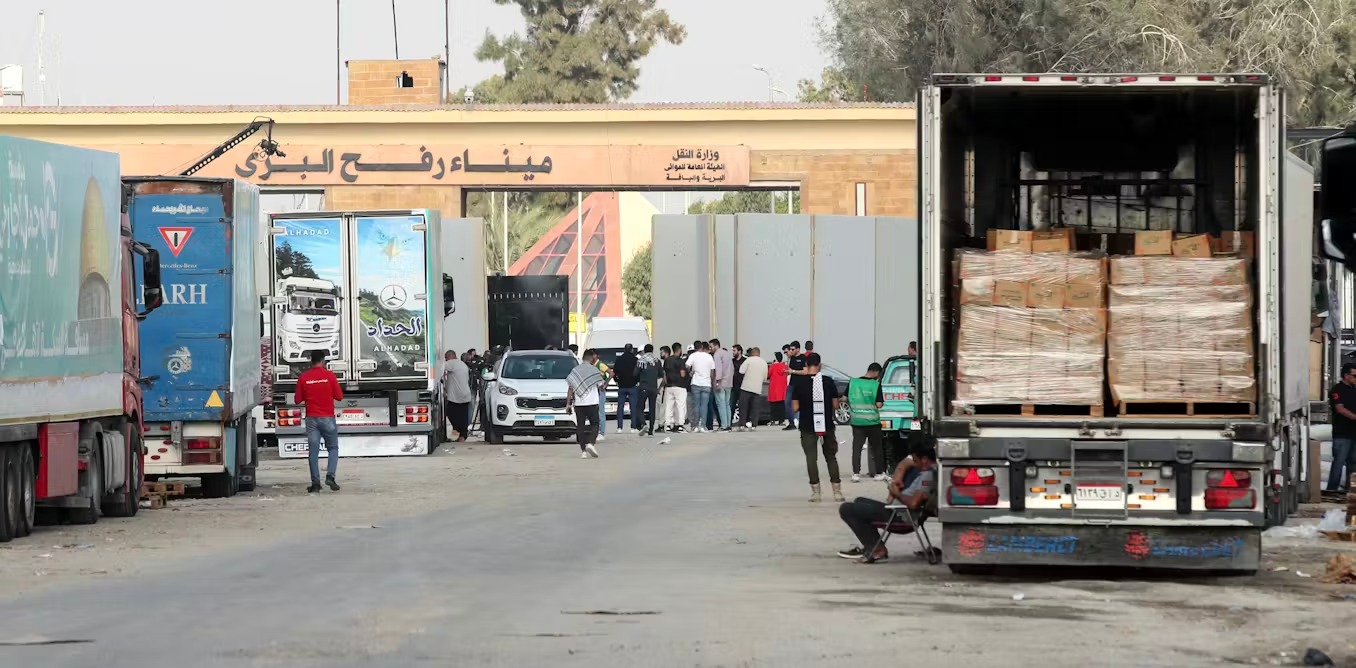
The Rafah border crossing between Gaza and Egypt will remain closed indefinitely, Israeli Prime Minister Benjamin Netanyahu announced Saturday, linking its reopening to Hamas handing over the bodies of deceased Israeli hostages. The decision came shortly after the Palestinian embassy in Egypt said the crossing, Gaza’s main exit point, would reopen Monday for limited entry into the enclave.
Israel and Hamas have traded accusations of violating the U.S.-brokered ceasefire. The U.S. State Department said it had received “credible reports” suggesting Hamas may breach the agreement, warning that Washington would take measures to protect civilians and uphold the truce if that occurred. Former U.S. President Donald Trump, who mediated the ceasefire, said Israel could resume military operations if Hamas failed to meet its commitments.
Hamas condemned Netanyahu’s move, calling it a “blatant violation” of the ceasefire terms and a breach of promises made to mediators. The group warned that keeping Rafah closed would block vital equipment needed to recover more hostage remains trapped under the rubble. Israel confirmed receiving two additional bodies on Saturday, bringing the total to 12 out of 28 expected under the deal.
The conflict has devastated Gaza, with nearly the entire population displaced, famine conditions worsening, and hospitals overwhelmed. Despite increased aid deliveries since the truce, the UN World Food Programme reports that only about 560 metric tons of food enter Gaza daily—far below what’s needed.
Under Trump’s 20-point peace plan, Hamas freed 20 Israeli hostages in exchange for around 2,000 Palestinian prisoners. However, disputes over the return of bodies, aid delivery, and Hamas’ disarmament continue to threaten the fragile ceasefire. Key issues, including Gaza’s future governance and the establishment of a Palestinian state, remain unresolved, posing major challenges to lasting peace.







