


 Erdogan Urges Trump to Resume Iran Talks, Offers Turkey’s Support for Peace Efforts
  Trump Says Iran Talks Halted as Strait of Hormuz Dispute Fuels Oil Concerns
  Ukraine Names Yevhenii Khmara Defence Minister Amid Election Row
  Israeli Airstrike Kills Six Palestinians in Gaza as Trump Peace Plan Stalls
  Trump Administration Allocates $206 Million for Gaza Peacekeeping Force
  UN Chief Raises Concern Over US Sanctions on ICC Officials
  Trump Eyes 15% Tariff on Canadian Auto Imports in New Trade Deal
  Angie Nixon Scores Florida Senate Primary Upset as Key Midterm Races Take Shape
  Pentagon Weighs Permanent U.S. Military Drawdown in Persian Gulf
  US CENTCOM Chief Praises USS Abraham Lincoln Crew Amid Mental Health Concerns
  Philippines Confident in U.S. Defense Commitment Despite Middle East Redeployment
  Trump Eyes Kim Jong Un Meeting, Cites North Korea’s 57 Nuclear Weapons
  Gérald Darmanin Backs Édouard Philippe for 2027 French Presidential Election
  US, South Korea Cut Joint Military Drills as Trump Seeks North Korea Talks
  US Eyes Refinery Boost as Trump Seeks Relief From High Gas Prices
  Gaza Zoo Struggles to Save Animals Amid War


 Add as a preferred source on Google
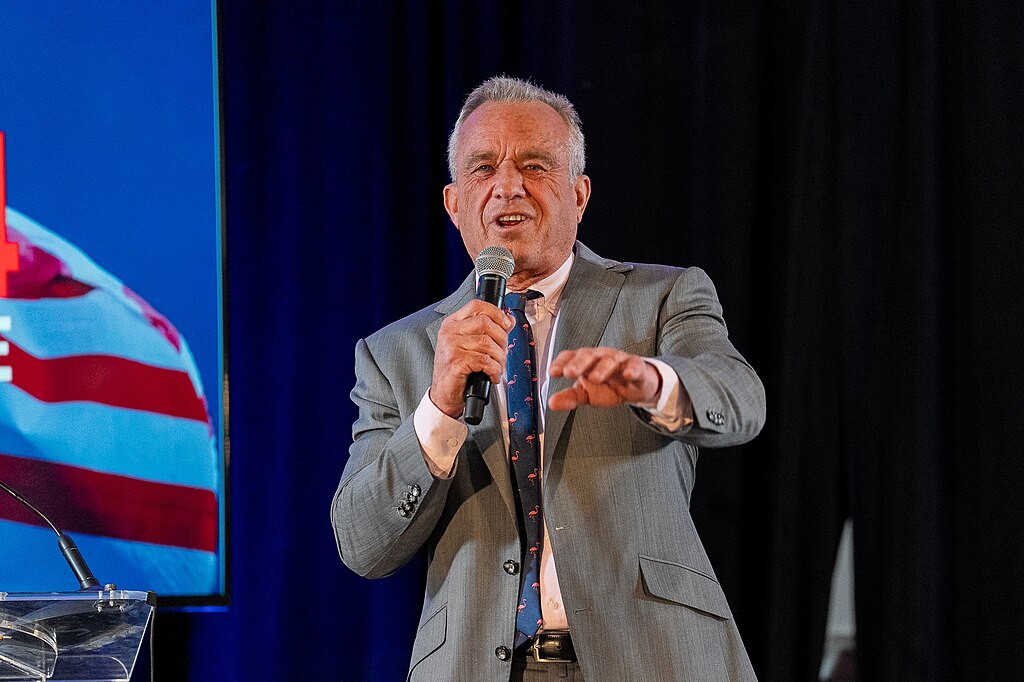
Robert F. Kennedy Jr., recently nominated by President-elect Donald Trump as Secretary of Health and Human Services (HHS), is reportedly vetting candidates for key positions within the U.S. Department of Agriculture (USDA). This move suggests a significant shift in agricultural policy under the incoming administration.
Kennedy's Involvement in USDA Appointments
Kennedy, known for his environmental activism and critical views on modern agricultural practices, is actively participating in the selection process for USDA leadership roles. His involvement indicates a potential alignment between HHS and USDA policies, focusing on health, nutrition, and sustainable farming practices.
Potential Candidates and Policy Implications
Among the names being considered is Jimmy Emmons, a proponent of regenerative agriculture. Emmons' potential appointment aligns with Kennedy's advocacy for sustainable farming methods and reduced reliance on chemical inputs. Such appointments could lead to substantial changes in USDA policies, emphasizing environmental sustainability and public health.
Industry Reactions
The agricultural sector has expressed mixed reactions to Kennedy's involvement:
-
Supporters argue that a focus on sustainable practices is necessary to address environmental concerns and improve public health outcomes.
-
Critics contend that drastic policy shifts could disrupt current farming operations and negatively impact food production and prices.
Some industry stakeholders are concerned about Kennedy's previous statements criticizing conventional farming methods, fearing potential regulatory overreach.
Public Response
The news has sparked a range of reactions on social media:
-
@GreenAgAdvocate: "Excited to see RFK Jr. bringing sustainable practices to the forefront of USDA policies."
-
@FarmersFirst: "Worried that radical changes could harm traditional farming and our livelihoods."
-
@HealthNut2024: "Aligning HHS and USDA under RFK Jr. could lead to healthier food systems for all."
Political Context
Kennedy's involvement in USDA appointments reflects the Trump administration's broader strategy to integrate health and agriculture policies. This approach aims to address chronic health issues through dietary guidelines and farming practices. However, it also raises questions about the balance between innovation and regulation in the agricultural sector.
Conclusion
Robert F. Kennedy Jr.'s active role in vetting USDA appointees signals a potential transformation in U.S. agricultural policy, emphasizing sustainability and public health. As the administration finalizes its appointments, the agricultural community and the public await the implications of these changes on farming practices and food systems nationwide.







