


 Gold Price Ends Lower for Fourth Week Despite Rebound as Fed Rate Hike Bets Strengthen
  Asian Currencies Trade Mixed as Yen Hovers Near 40-Year Low, Dollar Holds Firm on Fed Outlook
  ECB Keeps July Rate Options Open Amid Iran War Energy Price Risks
  Asian Stocks Sink as Apple Price Hikes Spark AI Valuation Fears, South Korea and Japan Lead Selloff
  Asian Markets Rally as Micron and Qualcomm AI Outlook Lifts Global Tech Stocks
  Trump Threatens 100% Tariffs on Countries Imposing Digital Services Taxes on U.S. Tech Firms
  BOJ Raises Interest Rates to 1% as Inflation Pressures Persist
  Australian Household Spending Rebounds Strongly in May as Travel and Dining Drive Consumer Growth
  Japan Signals Preference for Low Interest Rates as BOJ Policy Debate Intensifies
  South Korea’s KOSPI Jumps Over 5% as Samsung, SK Hynix Rally on Micron Earnings Boost
  U.S. Dollar Reaches One-Year High as Tech Sell-Off and Fed Rate Hike Expectations Support Demand
  Oil Prices Drop as Strait of Hormuz Shipping Recovers
  BOJ Raises Interest Rates to 31-Year High, Signals Strong Focus on Inflation Risks
  New Zealand Unemployment and Inflation Debate Intensifies Ahead of 2026 Election


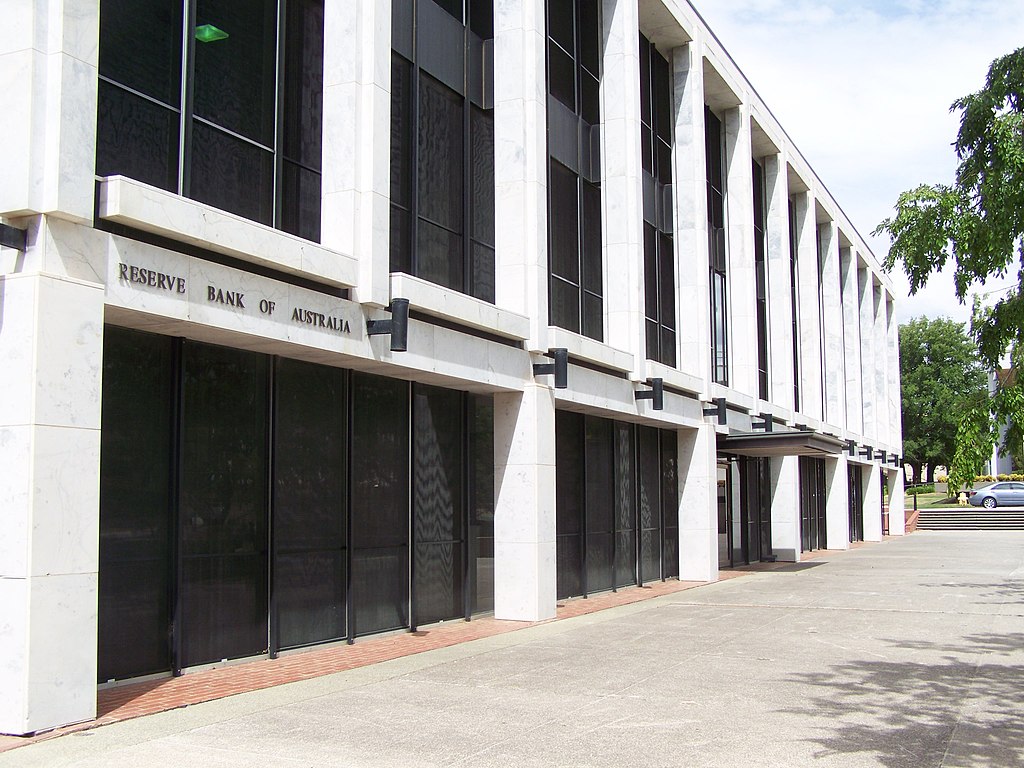
A senior official at the Reserve Bank of Australia (RBA) has said the recent slowdown in consumer price inflation is a positive development, but stressed that inflation remains uncomfortably high and above the central bank’s target range. Speaking in an interview with the Australian Broadcasting Corporation on Thursday, RBA Deputy Governor Andrew Hauser commented on new data showing annual CPI inflation eased to 3.4% in November, down from 3.8% in October.
Hauser noted that the latest inflation figures were largely in line with the RBA’s expectations, describing the data as “helpful” but not surprising. Despite the moderation, he made it clear that inflation above 3% is still too high for the central bank’s comfort. The RBA’s long-term inflation target is to keep price growth between 2% and 3%, with a midpoint focus of around 2.5%, and current levels remain above that range.
Australia’s preferred measure of core inflation, which strips out volatile items, stood at 3.2% in November, slightly lower than the 3.3% recorded in the previous month. While the gradual decline suggests some easing in underlying price pressures, inflation remains elevated enough to keep the RBA cautious.
Earlier, an acceleration in inflation during the third quarter prompted the RBA board to warn in December that interest rates could rise further if price pressures failed to cool. The cash rate currently sits at 3.6%, and policymakers have maintained a data-dependent approach when assessing future rate decisions.
Hauser explained that the RBA board will closely examine the full set of fourth-quarter CPI figures, which are due later this month, to better assess the direction of inflation. However, he emphasized that monetary policy decisions would not be based on a single data release. Instead, the central bank will consider a broad range of economic indicators, including labor market conditions, consumer spending, and overall economic momentum, when evaluating the outlook for inflation and interest rates.
The comments highlight the RBA’s cautious stance as it balances signs of easing inflation against the need to ensure price stability over the long term.







