


 Mexico-US Trade Talks Delayed to October as Tariff Negotiations Continue
  Ukrainian Drone Attacks Hit Russian Regions, Injuring at Least 12
  Trump Asks Supreme Court to Restore Third-Country Deportations
  Ghana Says Western Support Growing for Slave Trade Reparations
  US Backs Musk in Fight Against EU’s €120 Million X Fine
  Taiwan Thanks US for Support Ahead of Trump-Xi Summit
  Netanyahu’s Brief US Trip Highlights Strains With Trump
  Trump, Xi Visit US National Archives After White House Summit
  Abbas Reaffirms November 28 Palestinian Elections
  South Korea, US Discuss Warship Building Cooperation
  Kremlin Says No Decision Yet on Putin-Trump December Summit
  Yemen Violence Displaces 130,000 as Civilian Toll Rises
  Xi Calls for Deeper U.S.-China AI Cooperation in Trump Talks
  Saudi Arabia, Turkey and Pakistan Plan Urgent Defence Talks Over Houthi Attacks
  Judge Orders Trump to Restore White House Access for CNN, MS NOW and Politico
  North Korea Warns South Korea Over US-Led Defense Role
  Pezeshkian Says US Must Choose When Iran War Ends


 Add as a preferred source on Google
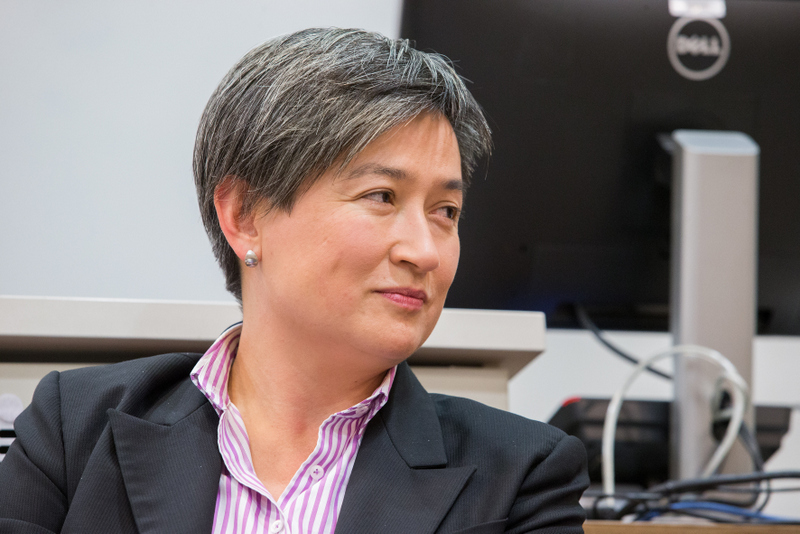
The U.S. has joined Australia, India, and Japan to launch the Quad Critical Minerals Initiative, aiming to secure and diversify global supply chains and reduce dependency on China’s dominance in the critical minerals market. Announced during ministerial talks in Washington, the move reflects growing concerns over China’s control of strategic resources vital to clean energy and defense sectors.
Despite the unified front, trade tensions remain within the Quad. U.S. President Donald Trump’s aggressive tariff policies have strained relations with all three partners. Still, leaders expressed optimism. Indian Foreign Minister Subrahmanyam Jaishankar called the meeting "very productive," and U.S. Secretary of State Marco Rubio emphasized the need for action, noting that 30 to 40 companies from Quad countries would meet to discuss mineral supply chain collaboration.
Australia’s Penny Wong highlighted the urgency of regional challenges, while Jaishankar continued diplomatic outreach with visits to the Pentagon and U.S. defense officials. Defense Secretary Pete Hegseth noted ambitions to deepen U.S.-India defense integration through arms sales and joint production efforts.
Yet, geopolitical frictions persist. India rejected Trump’s claim that U.S. pressure helped prevent escalation with Pakistan following a deadly Kashmir attack in April. Jaishankar reaffirmed that the ceasefire was not influenced by trade factors, stressing that managing differences is key to long-term cooperation.
Meanwhile, U.S.-Japan ties showed signs of strain, with Tokyo postponing an annual defense dialogue amid tensions over increased U.S. demands for defense spending. Analysts say Trump’s trade and military pressure is frustrating allies and slowing diplomatic progress.
The Quad’s new initiative signals a strategic pivot to economic security in the Indo-Pacific, but internal frictions could challenge its effectiveness against China’s mineral market influence.







