


 Domino's Pizza UK Reports 15% Drop in Annual Profit Amid Weak Sales and Rising Costs
  Trump Administration Proposes Tough AI Contract Rules as Anthropic Blacklisted by Pentagon
  Tanzania’s economy: Strong Foundations, Positive Indicators
  Amazon Website Outage Disrupts Thousands of U.S. Shoppers Before Services Recover
  Anthropic Sues Pentagon Over AI Blacklist, Citing Free Speech Violations
  Shell Signs Oil and Gas Agreements With Venezuela to Advance Dragon Gas Project
  Jens Erik Gould of Amalga Group on Why Managed Delivery Is Replacing Staff Augmentation in Nearshore Outsourcing
  FAA Issues Ground Stop for JetBlue Airways Flights Across All Destinations
  California Court Rejects xAI Bid to Block AI Data Transparency Law
  Treasury Secretary Scott Bessent Slams JPMorgan Report on Gulf Oil Insurance as ‘Completely Irresponsible’
  Foxconn Sees Strong Growth Ahead Despite Limited Impact From U.S.–Israel–Iran Tensions
  Lindt Posts Record CHF 5.92 Billion in Sales for 2025, Doubles Share Buyback Program
  SoftBank Seeks Up to $40 Billion Loan to Fund Major Investment in OpenAI
  Wizz Air Receives Tentative U.S. Approval for UK–U.S. Flights Amid Rising Travel Demand
  Amazon Engineers Investigate AI-Linked Outages as GenAI Coding Tools Raise Reliability Concerns
  Chinese AI Stocks Surge as Tencent, MiniMax, and Zhipu Launch Agentic AI Programs
  Renault's 2030 Global Growth Strategy: New Models, EV Expansion, and International Ambitions


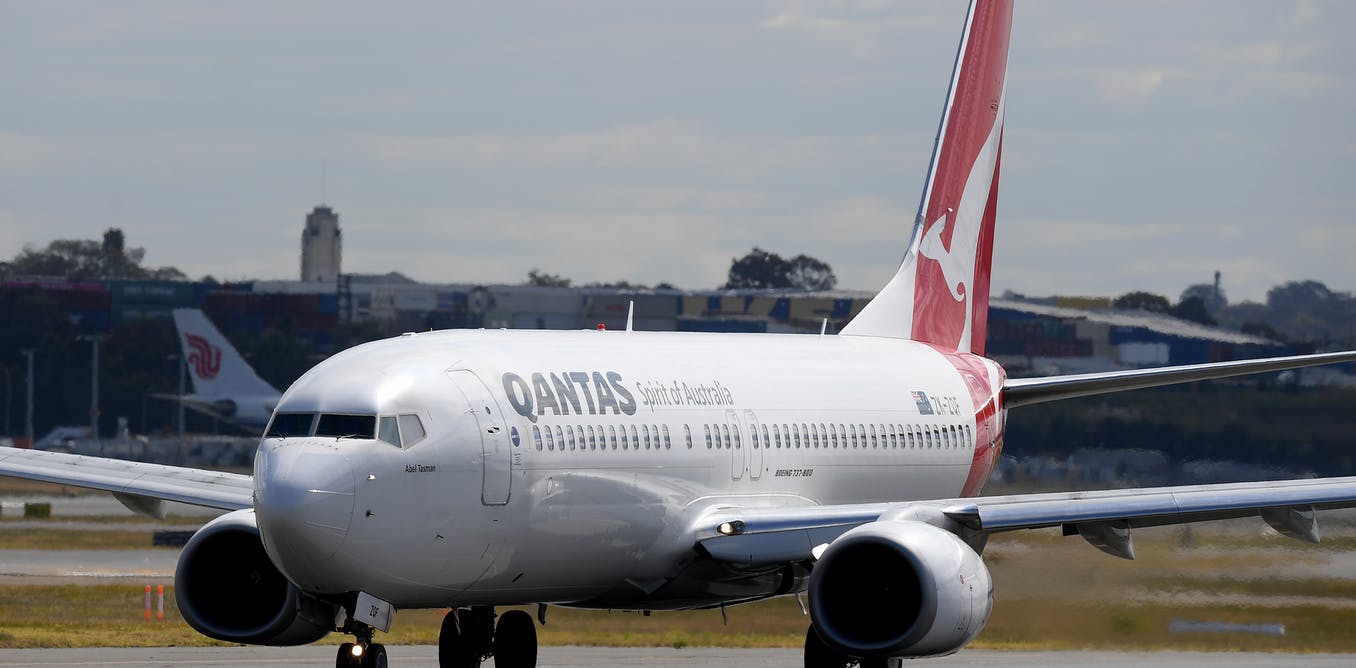
Qantas Airways announced Tuesday that it will increase ticket prices on its international routes this week, citing a sharp rise in jet fuel costs linked to the ongoing conflict in the Middle East. The Australian national carrier is among the first major airlines to formally respond to the fuel price surge that has rattled the global aviation industry.
The war involving the United States and Israel against Iran has driven oil prices sharply upward, creating widespread uncertainty across international travel markets. Industry analysts warn the situation could trigger a significant drop in passenger demand and may eventually force some carriers to ground portions of their fleets if fuel costs remain elevated.
Airfares connecting Asia and Europe have already climbed noticeably, driven largely by airspace closures and tightening seat availability on key routes. Qantas competitor Air New Zealand moved earlier the same day to raise its fares broadly, signaling that price hikes across the airline sector may become more widespread as the conflict continues.
Despite the turbulent environment, Qantas reported that its European routes are currently performing strongly. The carrier confirmed that flights are operating on schedule and running at over 90% capacity in March, roughly 15 percentage points higher than seasonal norms. The airline attributed part of this demand surge to travelers rerouting through alternative hubs, including cities across the United States, Asia, and Johannesburg, using Qantas partner airline connections.
Looking ahead, Qantas said it is actively exploring ways to expand capacity on its existing European routes over the coming months to meet the elevated demand. The airline's ability to manage fuel costs while capitalizing on strong load factors will be closely watched as geopolitical tensions continue to reshape international aviation and long-haul travel pricing worldwide.













