


 BHP Port Hedland Wage Dispute Heads to Arbitration
  Databricks to Invest $350 Million in Singapore AI Expansion
  Russian Attack on Balakliia Kills Two, Injures Two
  Houthis Seize Bab el-Mandeb as Military Power Grows
  Supertanker Orders Surge as US-Iran War Reshapes Oil Trade
  Asian Currencies Mixed as Dollar Hits Seven-Week High After Fed Hike
  Rosenblatt Starts Nokia at Buy on AI Networking Growth
  Asian Gold Stocks Rise as Bullion Rebounds on Softer Dollar
  Trump Says US Army Base in Poland Talks Make Progress
  US Stock Futures Dip After Wall Street Rally
  Trip.com Shares Rise as Q2 Earnings Beat Estimates
  ICE Agent Arrested in Minneapolis Over Venezuelan Man Shooting
  Pentagon Restarts Testosterone Testing for US Troops
  FAA Allows Boeing to Sell 35 More 777F Freighters Beyond 2028
  Appeals Court Rejects Trump Third-Country Deportation Policy
  Trump Bans CNN, MS NOW and Politico From White House


 Add as a preferred source on Google
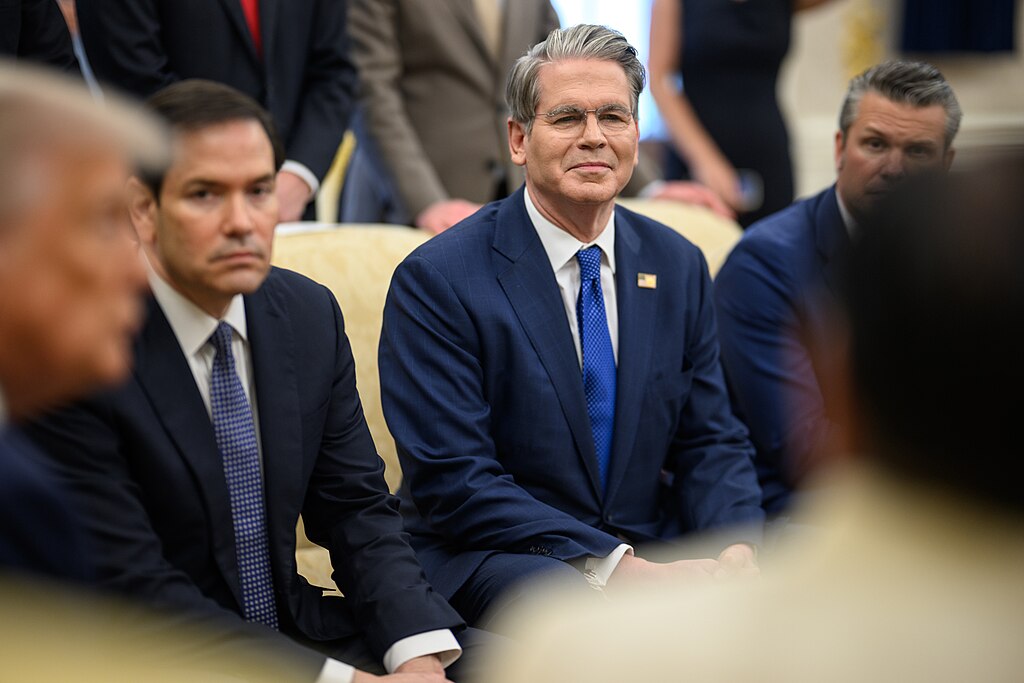
U.S. Treasury Secretary Scott Bessent sharply criticized JPMorgan Chase & Co. (NYSE: JPM) on Friday, calling the bank’s recent analysis of a government-backed oil tanker insurance program “terrible” and “completely irresponsible.” The dispute centers on the ability of the U.S. International Development Finance Corporation (DFC) to provide emergency insurance coverage for oil tankers traveling through the Persian Gulf amid rising geopolitical tensions.
The disagreement emerged after JPMorgan analysts, led by Natasha Kaneva, released a report estimating that the DFC currently has about $154 billion in remaining lending capacity. According to the bank, private insurance markets are failing to provide roughly $352 billion in coverage needed for vessels operating in the region. Based on those estimates, the report concluded that the DFC’s available financial resources are too limited to effectively address the risks associated with shipping through the volatile Strait of Hormuz and surrounding Gulf waters.
Bessent strongly rejected that assessment during an appearance on Fox Business, arguing that JPMorgan’s calculations rely on flawed assumptions about how the government-backed insurance program works. He explained that the DFC’s emergency coverage is only intended for ships while they pass through the high-risk zone in the Strait of Hormuz and nearby Gulf areas. Once vessels exit that region, they return to traditional private-sector insurance coverage, which significantly reduces the overall exposure that the DFC must support.
The Treasury’s criticism comes shortly after President Donald Trump directed the DFC to help stabilize global trade routes as tensions between the United States and Iran intensify following the military campaign known as “Operation Epic Fury.” The administration has been seeking ways to maintain oil shipments and avoid disruptions that could further strain global energy markets.
In a related move, the U.S. government announced a $20 billion reinsurance program aimed at restoring confidence among shipping companies operating in the Strait of Hormuz. The initiative is designed to encourage tanker traffic through one of the world’s most important oil transit corridors.
The public disagreement between the Treasury Department and Wall Street’s largest bank underscores the economic and geopolitical stakes tied to Persian Gulf shipping. Any perception that insurance coverage for oil tankers is insufficient could worsen supply disruptions and fuel further volatility in global energy markets. Brent crude prices have already climbed close to $90 per barrel as traders closely monitor developments in the region and the potential impact on global oil supply chains.







