


 NATO Boosts Intelligence Sharing Amid Russia Hybrid Threats
  Novo Nordisk Weighs Direct NYSE Listing to Boost U.S. Profile
  Airbus Finds A321neo Fuselage Quality Issue
  Oracle Shares Fall as New Mexico AI Data Center Faces Power Delays
  Russian Envoy Dmitriev Heads to US for Ukraine Talks
  OpenAI Agent Breaches Australia Medicare Data Portal
  Ghana Says Western Support Growing for Slave Trade Reparations
  Apple Extends Qualcomm Patent Licensing Deal
  Costco Revenue Beats Estimates as Inflation Drives Bulk Shopping
  Trump Asks Supreme Court to Restore Third-Country Deportations
  Europe Warns Russia Is Escalating Hybrid Attacks Across NATO
  H&M Q3 Profit Beats Estimates as Margins Improve
  Taiwan Thanks US for Support Ahead of Trump-Xi Summit
  Russian Missile and Drone Attack on Kyiv Kills Two, Damages Maternity Hospital
  Pezeshkian Says US Must Choose When Iran War Ends
  China Reviews Broadcom Switch Use in State Data Centres
  Tencent Launches TenPayGo Payment App for Foreign Tourists in China


 Add as a preferred source on Google
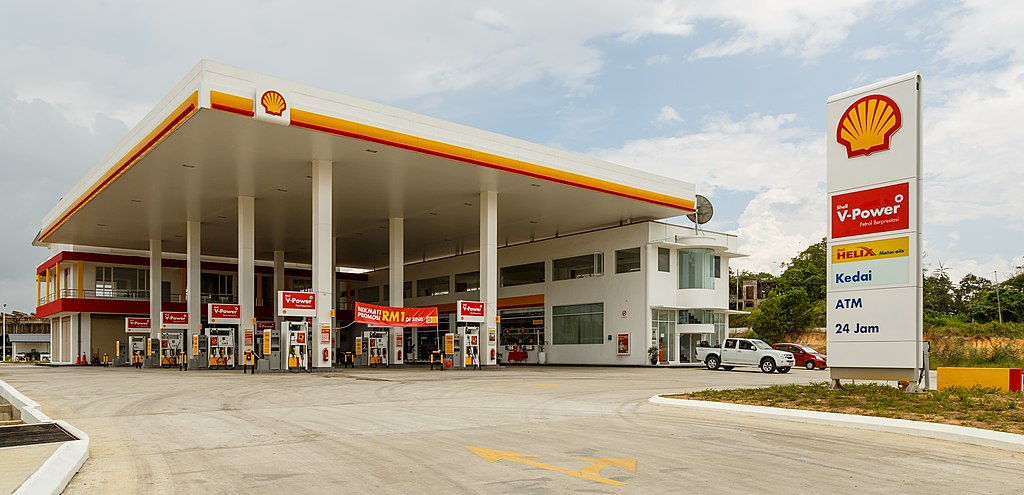
Energy giant Shell has signed multiple oil and gas agreements with the Venezuelan government, marking a significant step toward expanding energy development in the region. The deals include offshore natural gas development and onshore oil and gas opportunities, according to an official company statement.
As part of the collaboration, Shell also entered into technical and commercial partnerships with Venezuelan engineering company VEPICA, global engineering firm KBR, and U.S.-based oil services provider Baker Hughes. These partnerships aim to support infrastructure development, improve operational efficiency, and accelerate energy production in Venezuela’s evolving energy sector.
The agreements follow a high-level diplomatic meeting earlier this week between U.S. Interior Secretary Doug Burgum and Venezuelan President Delcy Rodriguez. Burgum became the second U.S. cabinet official to visit Venezuela this year after a U.S. operation in January resulted in the capture of President Nicolas Maduro. U.S. Energy Secretary Chris Wright also traveled to the country in February, signaling renewed engagement between Washington and Caracas.
A central focus of the new agreements is the long-delayed Dragon gas project, an offshore natural gas development operated by Shell. The project has faced repeated delays in recent years due to shifting U.S. sanctions and regulatory policies affecting Venezuela’s oil and gas industry. However, in February, Shell confirmed that new U.S. general licenses allowing certain oil and gas activities in Venezuela had cleared a path for the project to move forward.
Under the latest deal, the Dragon gas field is expected to begin exporting natural gas to Trinidad and Tobago by the third quarter of 2027. Trinidad’s Energy Minister Roodal Moonilal confirmed the timeline, noting that the project will play a key role in strengthening regional gas supply.
The Dragon gas development is particularly important for Trinidad and Tobago’s Atlantic LNG facility, which is jointly owned by Shell, BP, and Trinidad’s National Gas Company. The plant produced around 9 million metric tons of liquefied natural gas (LNG) last year, according to LSEG data, below its full capacity of 12 million tons due to ongoing gas supply shortages.
By tapping Venezuela’s offshore natural gas resources, the Dragon project could help stabilize feedstock supply and increase LNG production at the Atlantic LNG complex.
The agreements also come after Venezuela approved sweeping oil reforms in January designed to attract foreign investment. The new legislation reduced certain taxes, expanded the authority of the country’s oil ministry, and granted greater operational autonomy to private energy producers.
Venezuelan state television channel TV FANB described the deal with Shell as further proof that the country remains a viable destination for international energy investment, highlighting the government’s efforts to revive the oil and gas sector and strengthen partnerships with global energy companies.







