


 Japan Private-Sector Growth Slows as Domestic Demand Weakens
  US Stock Futures Fall as Treasury Yields Surge Ahead of Trump-Xi Summit
  Soybean Futures Slip as Traders Await Trump-Xi Trade Signals
  Oil Prices Surge as U.S.-Iran Diplomacy Hopes Fade
  Oil Prices Jump 3% as Houthi Attack Revives Supply Fears
  US 10-Year Treasury Yield at 6% Emerges as New Market Risk Threshold
  Trump, Xi Focus on Trade and AI at White House Summit
  Gold Prices Fall as Treasury Yields Rise on Fed Rate Hike Bets
  Japanese Bank Stocks Surge as Bond Yields Fuel Rate Hike Bets
  Wall Street Ends Flat as Oil, Treasury Yields and Fed Jitters Rattle Markets
  Fed Unveils Stablecoin Rules Under GENIUS Act
  Gold Holds Near $4,275 as Rising Treasury Yields Fuel Fed Rate Hike Bets
  Australia Unemployment Hits Five-Year High Despite Strong Jobs Growth
  Asian Stocks Fall as Surging Bond Yields Rattle Markets
  Oil Prices Ease as Iran Tensions Clash With Diplomacy Hopes
  Mexico-US Trade Talks Delayed to October as Tariff Negotiations Continue
  RBI Uses $10 Billion Currency Swaps to Drain Excess Rupee Liquidity


 Add as a preferred source on Google
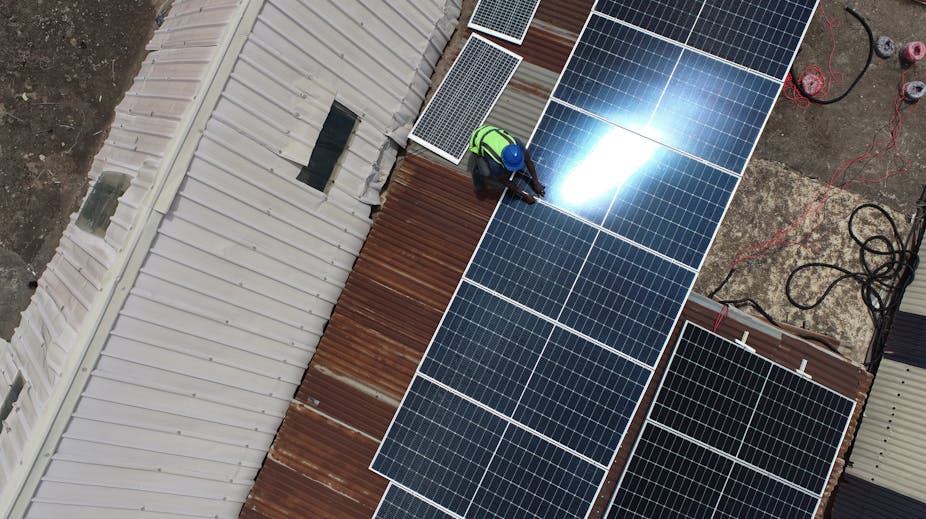
The United States solar industry experienced a notable slowdown in 2025, with new installations falling to 43 gigawatts — a significant drop from the nearly 50 GW recorded in 2024. A joint report by the Solar Energy Industries Association (SEIA) and Wood Mackenzie attributes much of this decline to the Trump administration's decision to eliminate key subsidies and tax incentives that had previously driven renewable energy growth.
The administration's One Big Beautiful Bill Act triggered widespread disruption across the sector. Utility-scale solar projects saw a 16% decline in new installations, while community solar programs fell even harder, dropping 25% year-over-year. Ongoing tariff pressures and a freeze on large-scale project approvals have further complicated the industry's outlook, as the current administration redirects its energy priorities toward oil, gas, coal, and nuclear power.
Despite these headwinds, solar energy demonstrated remarkable resilience. Combined with energy storage, solar accounted for 79% of all new power capacity added during the first year of Trump's second term. Notably, more than two-thirds of those installations took place in states that voted for the president, with Texas leading the nation at 11 GW of new solar capacity. Indiana, Florida, Arizona, Ohio, Utah, and Arkansas also ranked among the top contributors.
A major driver sustaining solar demand is the explosive growth of AI-powered data centers, which are pushing electricity consumption to record levels and keeping solar economically competitive despite the policy uncertainty.
Looking ahead, the SEIA projects the U.S. will add 490 GW of solar capacity by 2036, bringing cumulative installed capacity to nearly 770 GW. However, industry leaders warn that without consistent federal policy support, development will slow and American consumers could face higher electricity bills as energy demand continues to climb.







