


 Taiwan Thanks US for Support Ahead of Trump-Xi Summit
  Abbas Reaffirms November 28 Palestinian Elections
  Yemen Violence Displaces 130,000 as Civilian Toll Rises
  EU Defence Build-Up Too Slow for 2030 Russia Readiness Goal
  North Korea Rejects Nuclear Test Warning, Calls Nuclear Status Irreversible
  Netanyahu Defends Israel at UN as Delegates Stage Walkout
  Sudan Rejects US Legitimacy Remarks, Defends Sovereignty
  Judge Orders Trump to Restore White House Access for CNN, MS NOW and Politico
  North Korea Warns South Korea Over US-Led Defense Role
  Ghana Says Western Support Growing for Slave Trade Reparations
  US Backs Musk in Fight Against EU’s €120 Million X Fine
  Trump, Xi Focus on Trade and AI at White House Summit
  Pezeshkian Says US Must Choose When Iran War Ends
  Russian Missile and Drone Attack on Kyiv Kills Two, Damages Maternity Hospital
  US, China Extend Trade Truce to Jan. 10 Ahead of Trump-Xi Summit
  France Defends Netanyahu Airspace Clearance Despite ICC Warrant
  Russian Envoy Dmitriev Heads to US for Ukraine Talks


 Add as a preferred source on Google
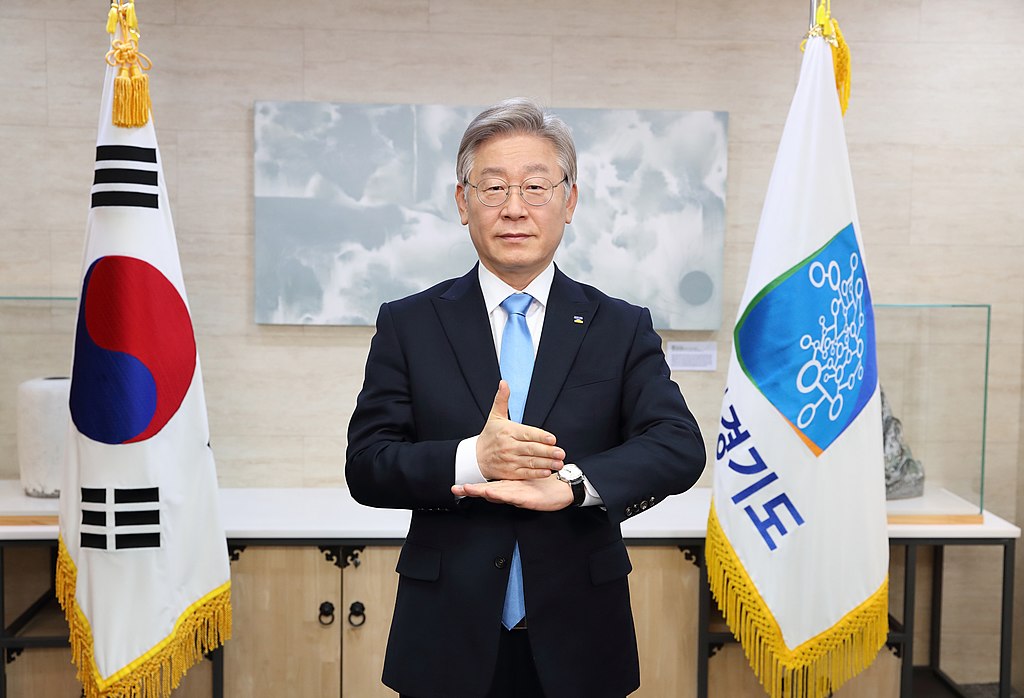
South Korean President Lee Jae Myung acknowledged Tuesday that Seoul lacks the authority to prevent Washington from relocating U.S. military weapons stationed on the peninsula, following reports that Patriot missile defense systems are being transferred to support operations in the Middle East.
The announcement comes amid growing anxiety across Asia that Washington's shifting military focus could leave critical gaps in regional deterrence against threats from China and North Korea. Lee addressed the matter during a cabinet meeting, confirming that South Korea had voiced opposition but ultimately holds no power to block such decisions.
Despite the concern, Lee maintained that removing certain U.S. assets would not compromise Seoul's deterrence posture against North Korea, pointing to South Korea's significantly stronger conventional military capabilities and defense budget compared to Pyongyang's.
South Korea currently hosts roughly 28,500 American troops alongside advanced surface-to-air systems, including Patriot interceptors. South Korean media reported that missile batteries departed from Osan Air Base, with likely destinations being U.S. installations in Saudi Arabia and the United Arab Emirates. Reuters photographers captured images of what experts identified as Patriot PAC-2 and PAC-3 launchers on the tarmac, though U.S. Forces Korea declined to confirm any redeployments, citing operational security.
Military analysts warned that while South Korea can independently deter North Korea, the optics of reduced U.S. hardware could invite miscalculation from Pyongyang. This concern is especially relevant given that North Korean leader Kim Jong Un recently reaffirmed plans to expand his nuclear arsenal and oversaw a new missile test last week.
Japan faces similar concerns, with two guided-missile destroyers homeported in Yokosuka currently deployed to the Arabian Sea. Opposition lawmakers in Tokyo questioned whether forces stationed in Japan should be engaged in Middle East operations rather than maintaining regional security.







