


 Iran Crisis Could Threaten AI Data Center Expansion and Global Chip Demand, South Korea Warns
  Trump Demands Iran’s “Unconditional Surrender” as Israel-Iran War Intensifies Across Middle East
  Treasury Secretary Scott Bessent Slams JPMorgan Report on Gulf Oil Insurance as ‘Completely Irresponsible’
  FDA Biologics Chief Vinay Prasad to Leave Agency in April Amid Policy Disputes
  Taiwan's MQ-9B SkyGuardian Drone Order Stays on Schedule Despite Middle East Conflict
  Amazon Engineers Investigate AI-Linked Outages as GenAI Coding Tools Raise Reliability Concerns
  Lindt Posts Record CHF 5.92 Billion in Sales for 2025, Doubles Share Buyback Program
  Japan's BOJ Independence Under Fire as PM Takaichi's Rate Stance Draws Political Heat
  Trump Administration Proposes Tough AI Contract Rules as Anthropic Blacklisted by Pentagon
  U.S. Officials Review Tencent’s Stakes in Epic Games, Riot Games Over Security Concerns
  SoftBank Seeks Up to $40 Billion Loan to Fund Major Investment in OpenAI
  Iran-U.S. Oil Tensions Escalate as Revolutionary Guards Threaten Strait of Hormuz Blockade
  FAA Issues Ground Stop for JetBlue Airways Flights Across All Destinations
  EU Seeks Stronger Canada Trade Ties Amid Uncertainty Over U.S. Tariff Policy
  Race Begins for Next UN Secretary-General Ahead of 2027 Term
  Jens Erik Gould of Amalga Group on Why Managed Delivery Is Replacing Staff Augmentation in Nearshore Outsourcing
  Supreme Court Backs GOP Lawmaker in New York Redistricting Fight Ahead of Midterms


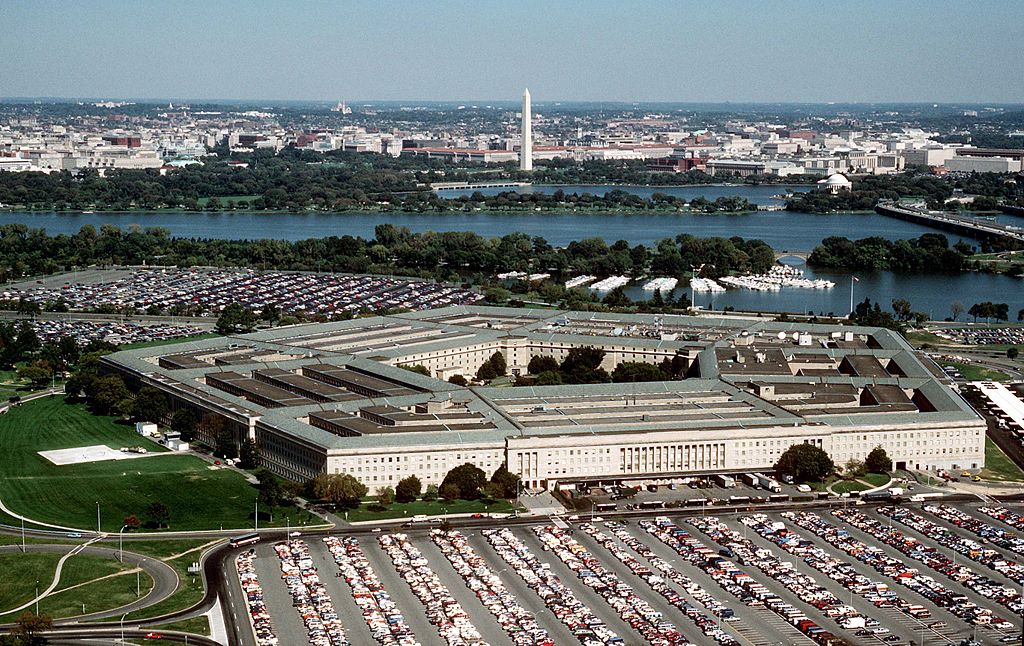
Anthropic has filed a federal lawsuit challenging the Pentagon's decision to place the AI company on a national security blacklist, marking a dramatic escalation in its standoff with the U.S. military. The California-based AI lab argues the designation is unconstitutional, violating its free speech and due process rights, and is seeking a court order to reverse the decision and halt enforcement across federal agencies.
The conflict stems from Anthropic's refusal to strip safety guardrails from its Claude AI model — specifically, restrictions preventing its use in autonomous weapons systems and domestic surveillance programs. Defense Secretary Pete Hegseth moved to formally designate Anthropic as a supply-chain risk after negotiations broke down, and former President Trump subsequently called on the entire federal government to stop using Claude.
Anthropic's executives warned in court filings that the blacklisting could cost the company several billion dollars in 2026 revenue. Chief Commercial Officer Paul Smith revealed that one major partner had already abandoned Claude for a competing AI platform, wiping out over $100 million in projected revenue, while deals with financial institutions worth approximately $180 million are now in jeopardy.
A second lawsuit targets a broader supply-chain risk designation that could extend restrictions across the entire civilian government. The full scope remains unclear pending an interagency review.
CEO Dario Amodei maintains that current AI technology is not reliable enough for autonomous weapons, making unrestricted military use dangerous. Thirty-seven researchers from OpenAI and Google filed a supporting brief, warning that punishing Anthropic for openly discussing AI risks could stifle innovation industrywide.
Despite the legal battle, Anthropic says it remains open to renewed negotiations. The case is widely viewed as a defining moment for how AI companies and the government will negotiate boundaries around military use of artificial intelligence going forward.













